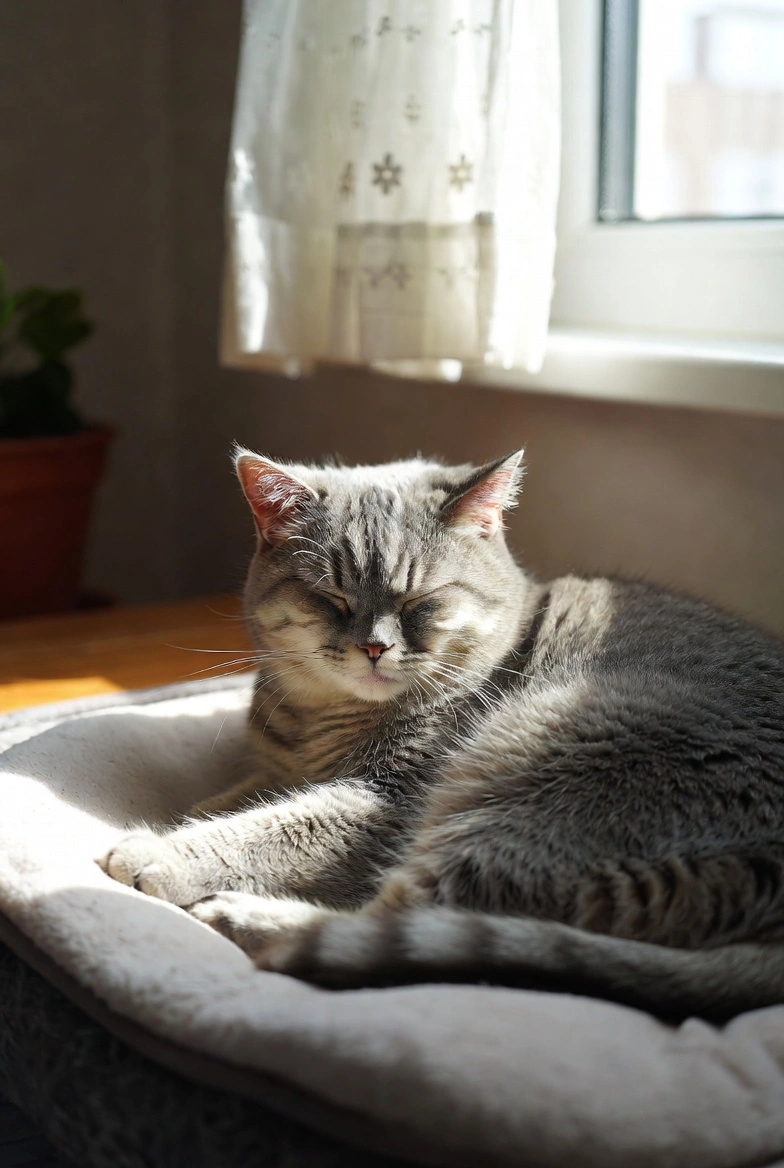
Cats sleep between 12 and 16 hours each day sometimes even more if they are kittens or senior cats. Many cat owners notice their pets ignoring fancy toys or expensive blankets and choosing instead a simple, supportive bed.
One type stands out more and more: orthopedic beds. These beds use special foam and cushioning to support a cat’s body in ways regular beds cannot.
In this guide, we explore exactly why cats prefer sleeping in orthopedic beds, the science behind it, and how to pick the right one for your feline friend.
Understanding Cat Sleep Habits
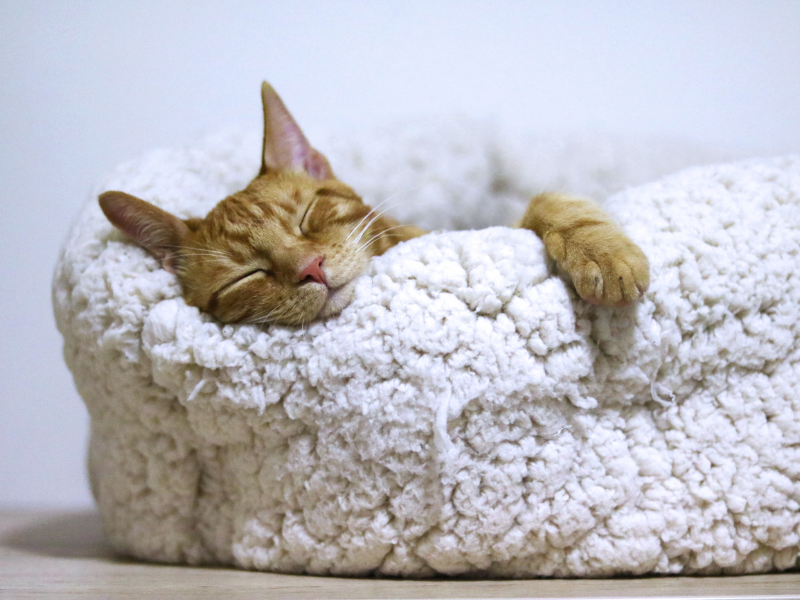
Cats are natural hunters, yet they spend 12 to 16 hours a day resting in our homes. Quality sleep helps repair muscles, strengthen the immune system, and reduce stress. Without proper support, many cats wake up stiff or choose hard floors, cold tiles, or furniture edges instead.
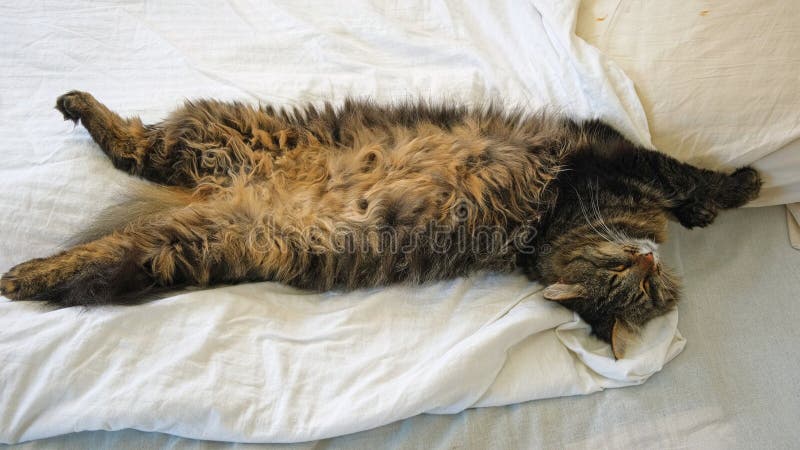
These surfaces provide no joint or spine support. Orthopedic beds solve this by offering stable, pressure-relieving cushioning that matches cats’ natural sleeping positions—from curled-up balls to fully stretched-out poses. This comfort promotes deeper, longer sleep cycles, which is why many cats quickly make orthopedic beds their favorite spot.
What Makes a Bed “Orthopedic” for Cats?
The term “orthopedic” refers to support for bones and joints. In cat beds, it means high-density memory foam or similar materials that gently mold to your cat’s body. Unlike thin cushions that flatten quickly, orthopedic foam keeps its shape and distributes weight evenly. This prevents painful pressure points on the hips, shoulders, and lower back.
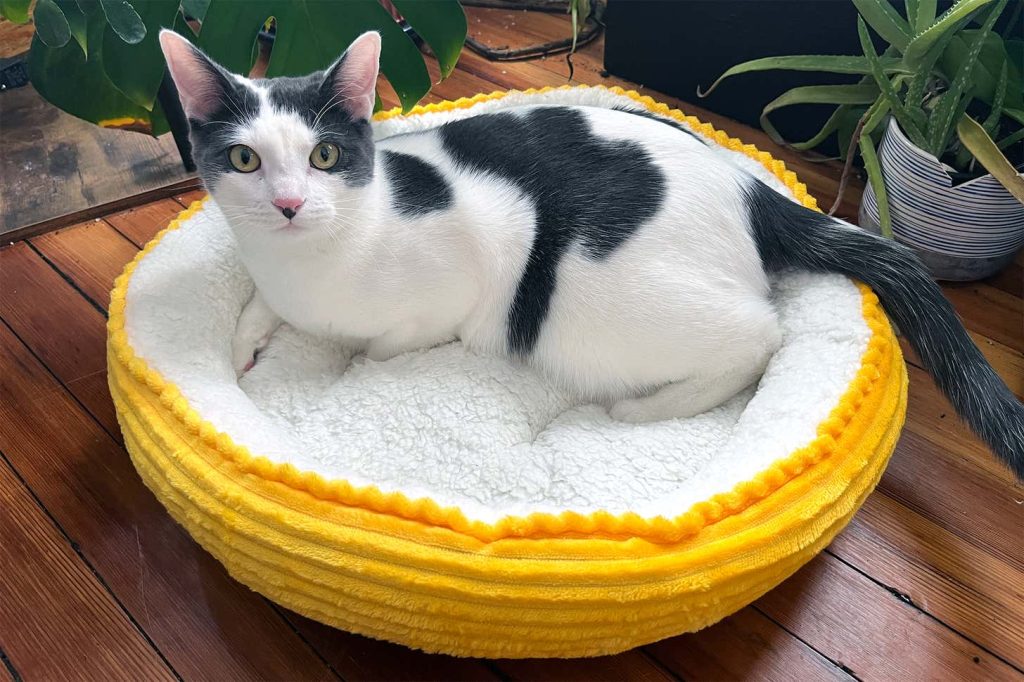
Many orthopedic cat beds also feature raised edges for head and neck support, plus a non-slip base that keeps the bed steady when your cat jumps in or out. These features create a safe, secure feeling that cats naturally crave.
The Science Behind Cats’ Preference for Orthopedic Beds
Cats have light bones and flexible spines, but years of jumping, climbing, and landing put stress on their joints. Senior and overweight cats feel this wear more, often developing arthritis with few early signs.
Studies on pet joint health show that supportive surfaces reduce inflammation and improve mobility. Orthopedic foam absorbs impact and relieves pressure, much like human orthopedic mattresses ease back pain.
It stays firm enough to support joints yet soft enough to feel cozy. Cats notice this comfort immediately and gain a sense of security they rarely get from flat mats or thin pillows. As a result, they return to orthopedic beds repeatedly, often preferring them over other spots in the house.
Key Benefits of Orthopedic Cat Beds
Orthopedic beds offer more than just softness. Here are the main advantages that explain why cats prefer them:
- Joint and muscle support: The foam cushions hips, knees, and spine, easing pain from arthritis or old injuries.
- Pressure relief: Weight spreads evenly so no single area feels sore after long naps.
- Better sleep quality: Cats fall into deeper rest and wake up refreshed instead of stiff.
- Temperature control: Many orthopedic materials stay cool in summer and warm in winter.
- Reduced anxiety: Raised edges create a “nest” feeling that makes cats feel protected.
- Easier movement: Low-entry sides or gentle ramps help senior or injured cats climb in without strain.
- Hygiene and durability: Washable covers and sturdy bases last longer and stay cleaner than regular beds.
These benefits appear across all ages, but they matter most for cats over seven years old or those with health conditions.
Signs Your Cat May Prefer or Need an Orthopedic Bed
Watch for these common clues that your cat would benefit from switching:
- Difficulty jumping onto furniture or windowsills
- Stiffness when getting up after a nap
- Sleeping in odd places like hard floors or against walls for extra support
- Reduced activity or less playful behavior
- Limping or slow walking after rest
- Changes in grooming habits around the hips or back
If you see two or more of these signs, an orthopedic bed can make a noticeable difference within days.
How to Choose the Right Orthopedic Cat Bed
Not every orthopedic bed works the same way. Look for these important features:
- High-density memory foam (at least 1.5 inches thick)
- Machine-washable outer cover
- Non-slip base to prevent sliding
- Raised edges for security (especially for burrowers)
- Correct size—your cat should stretch out fully without hanging over the sides
- Breathable, hypoallergenic materials
Consider your cat’s personality too. Some like open donut shapes; others prefer hooded designs. Placement matters: put the bed in a quiet, warm corner near a favorite window or radiator.
Orthopedic vs. Traditional Cat Beds
| Feature | Orthopedic Bed | Traditional Flat or Thin Bed |
|---|---|---|
| Joint Support | High-density foam relieves pressure | Minimal or none |
| Durability | Holds shape for years | Flattens quickly |
| Comfort for Seniors | Excellent for arthritis and stiffness | Often too hard or unsupportive |
| Sleep Depth | Promotes longer, deeper rest | Frequent waking or shifting |
| Security | Raised edges create safe “nest” feel | No containment |
| Ease of Cleaning | Removable, washable covers | Often harder to maintain |
This table shows why orthopedic beds win for long-term comfort and health.
The Best Orthopedic Cat Bed Recommendation
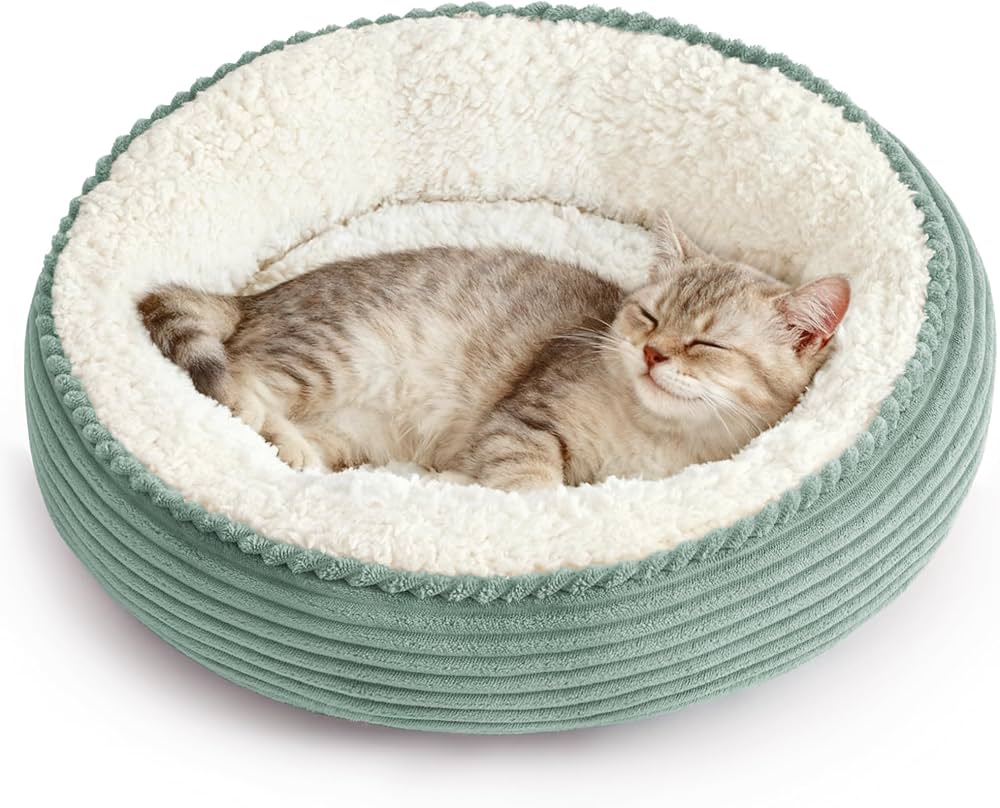
If you want a bed that truly delivers everything cats love, the Extra Soft Cat Bed for Deep Sleep from Horizon Plus Trading is an outstanding choice.
This round bed combines ultra-plush sherpa fabric with built-in orthopedic support that helps joints and muscles relax fully. The raised edges give your cat a secure place to rest its head and feel protected, while the non-slip bottom keeps it steady on any floor.
It is machine-washable, durable, and available in multiple sizes to suit cats of all ages. Many owners report their cats choose this bed over every other spot in the house and enjoy noticeably deeper sleep.
You can find the best Orthopedic Beds here
Frequently Asked Questions
Final Thoughts
Cats prefer orthopedic beds because these beds match their need for deep, restorative sleep while protecting joints and reducing daily aches. From pressure relief and temperature control to a secure, nest-like feel, the advantages are clear and science-backed.
By choosing a quality orthopedic bed like the Extra Soft Cat Bed for Deep Sleep, you give your cat a healthier, happier place to rest—day after day, nap after nap. Your feline friend will thank you with more playful energy and peaceful purrs.
Start with one well-chosen bed in a favorite spot, and watch your cat’s sleep habits improve.