A snake pet can be a rewarding and low-maintenance companion, offering quiet and long-lasting companionship with proper care.
With a lifespan of 20 to 30 years, snakes are ideal for both beginners and experienced reptile owners. This guide covers everything you need to know, from choosing the right species to setting up the perfect enclosure, ensuring your snake stays healthy and happy for years to come.
Why Choose a Snake as a Pet?
Snakes occupy a unique position in the pet world. They do not require daily walks, they produce no dander, and they are largely silent.
For people who live in apartments or who have allergies to fur, a pet snake offers companionship without the demands of a dog or cat. With a variety of pet snake breeds available, it’s easy to find one that fits your lifestyle and preferences. Here is why so many people are drawn to snake ownership:
- Low daily maintenance compared to mammals and birds.
- No fur, dander, or pet hair on furniture.
- Quiet animals that rarely disturb neighbors.
- Fascinating naturalistic behavior, including hunting, thermoregulation, and shedding.
- Long lifespans mean a snake is a true long-term companion.
- A wide variety of species, sizes, and color morphs to suit every keeper’s preference.
Snake ownership is not without responsibility, however. Snakes are ectothermic (cold-blooded) reptiles that depend entirely on their environment for body heat. They require specific temperatures, humidity levels, and a diet of whole prey. Before purchasing any pet snake, you should understand the full commitment involved.
Best Pet Snake Species for Beginners
The right snake species makes all the difference for a first-time owner. The following species are widely recommended by herpetologists and experienced keepers for their manageable size, docile temperament, and straightforward care requirements.
Ball Python (Python regius)

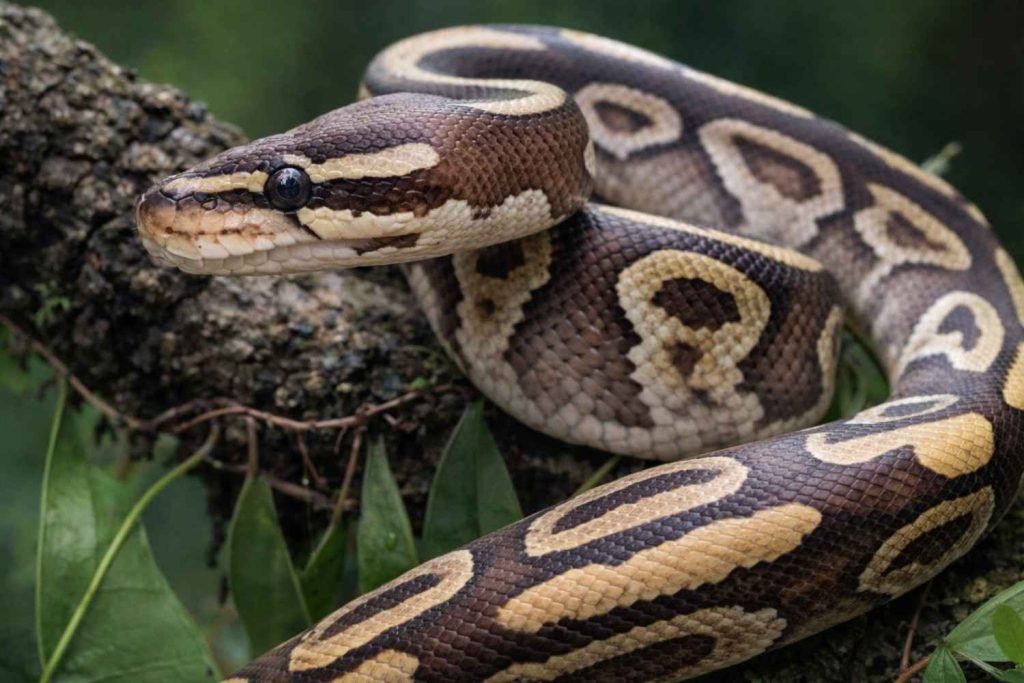
The ball python is the most popular pet snake in the world for good reason. Native to West and Central Africa, ball pythons are stocky, heavy-bodied snakes that reach 3 to 5 feet in length. They are known for their calm disposition and tendency to curl into a tight ball when threatened, giving them their name.
Adult ball pythons thrive in a 4 x 2 x 2 foot enclosure with ambient temperatures of 80 to 85 degrees Fahrenheit, a basking spot of 88 to 92 degrees Fahrenheit, and humidity between 60 and 80 percent. They feed on appropriately sized frozen/thawed mice or rats every 10 to 14 days. Hundreds of color and pattern morphs are available, from the classic wild type to albino, piebald, and clown morphs.
Corn Snake (Pantherophis guttatus)
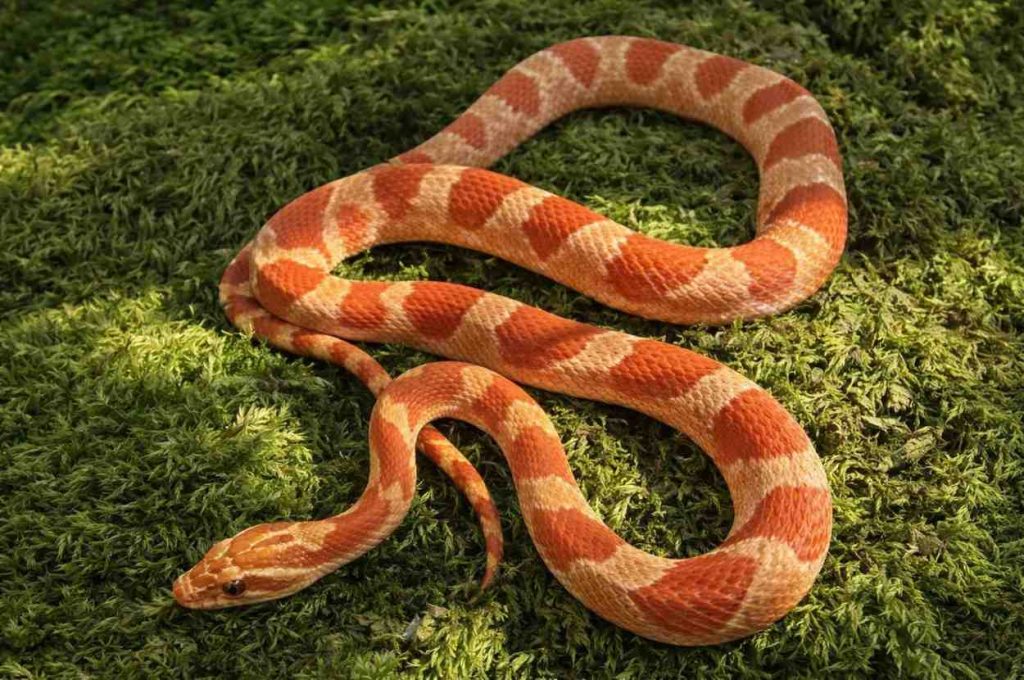
Corn snakes are slender, agile snakes native to the southeastern United States. They are arguably the ideal beginner snake: easy to handle, tolerant of a range of humidity levels, and consistently feeding on frozen/thawed mice.
Adults reach 4 to 5 feet in length and are best housed in a 4 x 2 x 1 foot enclosure. Corn snakes are active explorers and enjoy elevated branches and hides. They require ambient temperatures of 75 to 82 degrees Fahrenheit, a warm side of 85 to 88 degrees Fahrenheit, and humidity between 40 and 60 percent. Like ball pythons, corn snakes are available in dozens of captive-bred color morphs including amelanistic, anerythristic, and motley patterns.
California King Snake (Lampropeltis californiae)

California king snakes are hardy, alert, and active reptiles that adapt well to captivity. They average 3 to 4 feet in length and are famous for their bold black-and-white or black-and-yellow banding. King snakes are ophiophagous in the wild, meaning they naturally prey on other snakes including venomous species, which gives them a degree of immunity to certain venoms. In captivity they eat frozen/thawed mice readily.
Their enclosure temperature requirements are slightly cooler than tropical species, with ambient temperatures of 75 to 80 degrees Fahrenheit and a warm side of 85 to 88 degrees Fahrenheit. Humidity should be maintained at 40 to 60 percent.
Milk Snake (Lampropeltis triangulum)
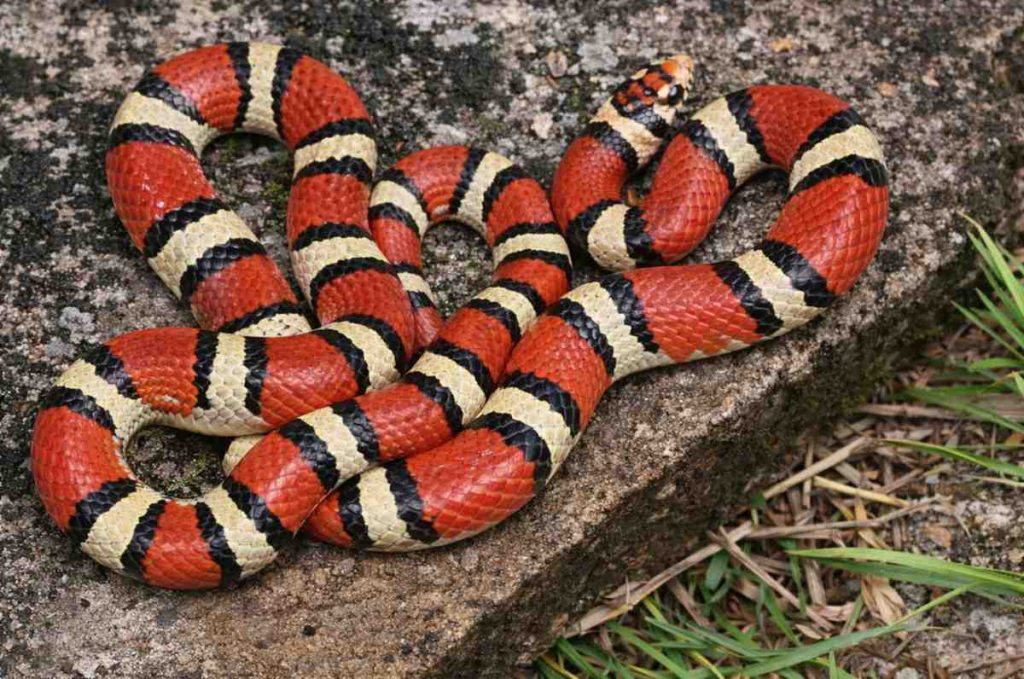
Milk snakes are brightly colored, medium-sized colubrids that are closely related to king snakes. Their vivid red, black, and yellow or white banding makes them one of the most visually striking beginner snakes available.
Adults range from 2 to 4 feet depending on the subspecies. Milk snakes are secretive by nature, preferring to spend time hidden under hides or substrate, but they tame readily with consistent handling. Care requirements are nearly identical to California king snakes.
Western Hognose Snake (Heterodon nasicus)
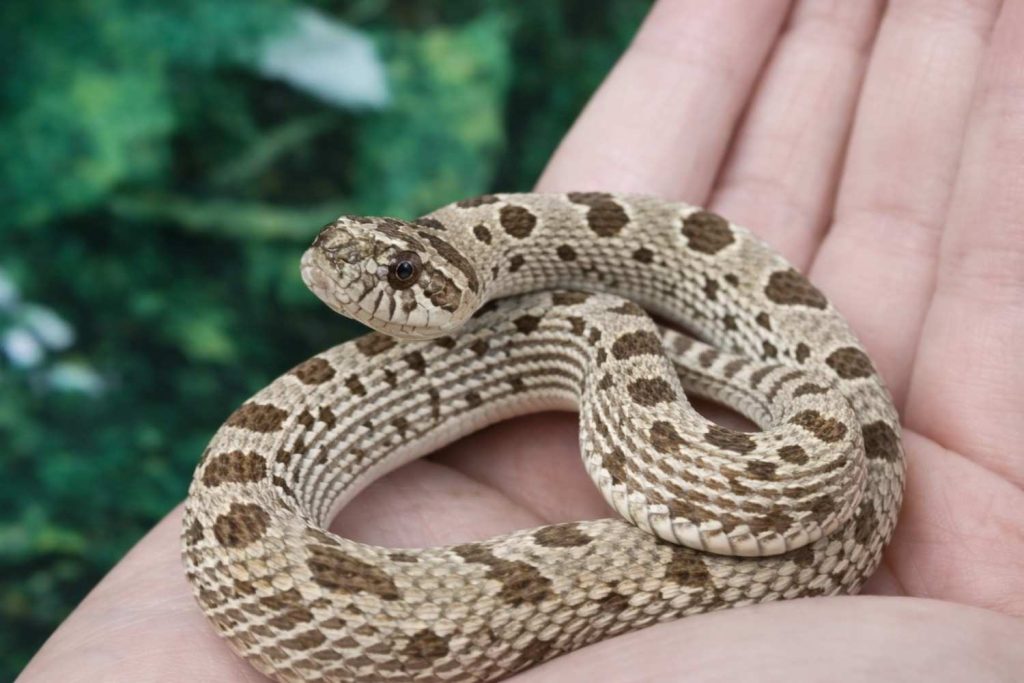
Western hognose snakes have become increasingly popular due to their upturned snout, theatrical defensive displays, and manageable size of 1.5 to 3 feet. They are rear-fanged and produce a mild venom that is medically insignificant to humans.
Hognose snakes can be opinionated feeders as juveniles, but captive-bred animals generally take to frozen/thawed prey. They require drier conditions than ball pythons, with humidity between 30 and 50 percent, and a warm side temperature of 85 to 90 degrees Fahrenheit.
Garter Snake (Thamnophis spp.)

Garter snakes are small, slender snakes native to North America and are among the few species that can eat fish and earthworms in addition to small rodents. They are energetic, quick, and can be shy at first, but captive-bred individuals become handleable with regular interaction. Adults typically reach 2 to 3 feet.
Garter snakes tolerate slightly lower temperatures than tropical species, which makes them suitable for keepers who do not want to invest in powerful heating equipment.
Pet Snake Species Comparison at a Glance
| Species | Adult Length | Temperature (warm side) | Humidity | Difficulty Level |
| Ball Python | 3 to 5 ft | 88 to 92 F | 60 to 80% | Beginner |
| Corn Snake | 4 to 5 ft | 85 to 88 F | 40 to 60% | Beginner |
| California King Snake | 3 to 4 ft | 85 to 88 F | 40 to 60% | Beginner |
| Milk Snake | 2 to 4 ft | 85 to 88 F | 40 to 60% | Beginner |
| Western Hognose | 1.5 to 3 ft | 85 to 90 F | 30 to 50% | Beginner/Intermediate |
| Garter Snake | 2 to 3 ft | 80 to 85 F | 50 to 70% | Beginner |
Setting Up Your Pet Snake Enclosure

The enclosure is the foundation of your snake’s health and well-being. A properly sized, correctly equipped vivarium allows your snake to thermoregulate, hide, explore, and rest naturally. Cutting corners on the enclosure is one of the most common mistakes new keepers make.
Choosing the Right Enclosure Size
A general rule of thumb is that an enclosure should be at least as long as the snake and wide enough to allow it to stretch out and turn around. For a 4-foot corn snake, a 4 x 2 x 1 foot enclosure is the minimum. Ball pythons, as more heavy-bodied snakes, do well in a 4 x 2 x 2 foot vivarium as adults.
Larger is always better, provided the enclosure retains heat and humidity effectively.
Types of Snake Enclosures

Glass terrariums are the most widely available and offer excellent visibility. They lose heat and humidity more quickly than other materials, so overhead heating and humidity-retaining substrates are essential.
Wooden vivariums retain heat and humidity well and are ideal for tropical species like ball pythons. They require front-opening sliding glass doors and should be sealed on the interior to prevent moisture damage.
PVC (polyvinyl chloride) enclosures are the professional standard for many breeders. They are lightweight, easy to clean, excellent insulators, and resistant to moisture. They are a premium investment that pays off over a lifetime of snake keeping.
All enclosures must have secure, lockable lids or doors. Snakes are accomplished escape artists that can push through surprisingly small gaps. A snake on the loose in your home is a dangerous situation for both the animal and any other pets you may have.
Substrate Options
Substrate is the bedding material that lines the floor of the enclosure. It serves multiple functions: it retains humidity, provides a naturalistic surface for movement, and allows burrowing behavior. The best substrate choices by species type are:
• Aspen shavings: suitable for corn snakes, king snakes, and milk snakes. Avoid with high-humidity species.
• Coconut fiber (coco coir): excellent for ball pythons and other tropical species. Retains humidity well and supports burrowing.
• Cypress mulch: a versatile option that works for both tropical and semi-arid species.
• Bioactive blends (topsoil, sand, leaf litter): ideal for advanced keepers building naturalistic vivarium setups.
Avoid cedar and pine shavings. The aromatic oils in these woods are toxic to reptiles and can cause serious respiratory damage.
Hides and Enrichment
Every snake enclosure needs at least two hides: one on the warm end and one on the cool end. This allows the snake to thermoregulate while feeling secure at any temperature in the gradient. A humid hide, lined with damp sphagnum moss, should also be provided year-round and especially during the pre-shed period.
Cork bark rounds, artificial plants, and branches provide enrichment and encourage natural exploratory behavior.
Temperature and Humidity for Pet Snakes
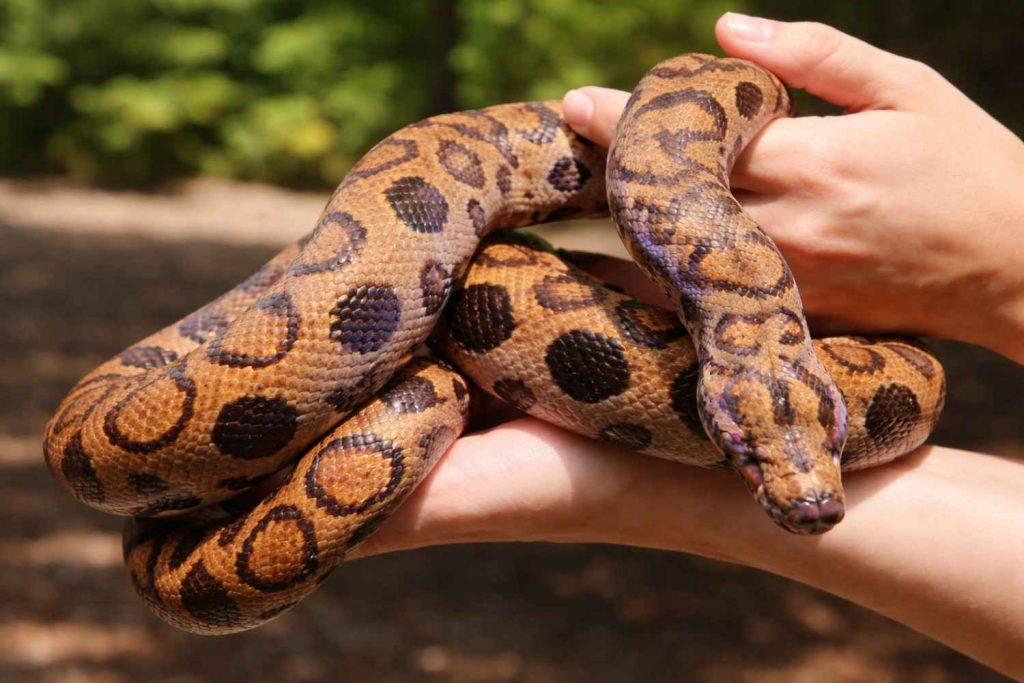
Snakes are ectotherms, meaning they cannot generate their own body heat. They depend entirely on external heat sources to digest food, fight infection, and carry out normal metabolic functions. Getting the thermal gradient right is the single most important aspect of snake husbandry.
Creating a Thermal Gradient
A thermal gradient means providing a range of temperatures within the enclosure from a warm basking side to a cooler ambient side. The snake moves between these zones to regulate its internal body temperature, a behavior called thermoregulation. A ball python, for example, needs a warm side surface temperature of 88 to 92 degrees Fahrenheit and a cool side ambient of 76 to 80 degrees Fahrenheit.
Failing to provide this gradient forces the snake to remain at a single temperature, which impairs digestion and immune function.
Heating Equipment
Ceramic heat emitters (CHE): Provide heat without light, making them ideal for 24-hour heating. Always controlled by a pulse-proportional thermostat.
Radiant heat panels: Mounted on the ceiling of the enclosure, they provide even overhead heat that mimics solar radiation. Particularly effective in wooden vivariums.
Heat mats (under-tank heaters): Placed beneath one side of the enclosure to warm the substrate. Use only with a thermostat and avoid glass enclosures where the mat contacts the glass directly without an air gap.
Deep heat projectors (DHP): A newer technology that penetrates deep into the snake’s muscle tissue, more closely replicating the sun’s infrared heat. Considered a premium option by many specialist keepers.
All heating equipment must be connected to a thermostat to prevent overheating. Never leave a heat source unregulated. A snake on a surface that is too hot will suffer serious thermal burns, a painful and life-threatening condition.
Monitoring Temperature and Humidity
Use a digital thermometer with a probe to monitor surface temperatures on the warm side, the ambient temperature on the cool side, and the ambient air temperature.
A digital hygrometer monitors humidity levels. Never rely on analogue dial thermometers, as they are inaccurate. Check readings daily, especially during seasonal changes in your home’s ambient temperature.
Lighting for Pet Snakes

Lighting for different types of pet snakes breeds should keep a stable day/night rhythm and, in some cases, provide gentle UVB. Aim for a consistent 12 hours light and 12 hours dark to support normal behavior and rest.
While snakes were once thought to need little UVB, newer husbandry trends suggest low-level UVB may help with vitamin D3, immunity, and overall health, so many keepers use a low-output UVB tube (5.0 or 6% T5 HO) and choose the correct level using Ferguson Zone guidance.
Heat and visible light can come from incandescent or halogen basking bulbs, but avoid red/blue “night” bulbs because snakes can still see those colors and nighttime light can disrupt sleep.
Feeding Your Pet Snake: A Complete Guide
Feeding is one of the most engaging parts of snake ownership, and also one of the areas where new keepers make the most mistakes. Understanding prey selection, feeding frequency, and the frozen/thawed versus live debate will help you keep your snake in optimal condition.
What Do Pet Snakes Eat?
The vast majority of pet snakes eat whole rodents: mice and rats are the most common prey items. The correct prey size is approximately the same width as the snake’s widest body point, typically measured as the widest part of the mid-body. Prey that is too large creates a visible lump larger than 1.5 times the snake’s body diameter and can lead to regurgitation.
• Hatchling and juvenile snakes: pinky mice or fuzzy mice.
• Sub-adult snakes: small or medium mice, or rat pups.
• Adult ball pythons: small to medium rats.
• Adult corn snakes: adult mice.
• Garter snakes: fish (fresh tilapia or guppies), earthworms, and small mice.
Frozen/Thawed Prey vs. Live Feeding
Pre-killed, frozen/thawed prey is the recommended feeding method for almost all captive snakes. Frozen prey is nutritionally equivalent to live prey, is safer for the snake (live rodents can bite and injure snakes, sometimes fatally), is more hygienic, and is easier to store.
To thaw frozen prey, move it from the freezer to the refrigerator the night before feeding, then warm it in a bag of warm water to a surface temperature of approximately 100 degrees Fahrenheit before offering it to your snake.
Live feeding carries real risks: a cornered rodent will bite the snake, potentially causing serious wounds or eye damage. Many countries and jurisdictions also restrict or prohibit feeding live vertebrates to pets. Unless your snake has a specific behavioral requirement for live prey, frozen/thawed is always the better choice.
Feeding Frequency by Age
| Life Stage | Prey Size | Feeding Frequency |
| Hatchling (0 to 3 months) | Pinky or fuzzy mouse | Every 5 to 7 days |
| Juvenile (3 to 12 months) | Fuzzy to adult mouse or rat pup | Every 7 to 10 days |
| Sub-Adult (1 to 3 years) | Adult mouse or small rat | Every 10 to 14 days |
| Adult (3 years+) | Adult mouse or medium rat | Every 14 to 21 days |
How to Feed Your Pet Snake
Use feeding tongs or hemostatic forceps to offer prey to your snake. Never offer prey by hand, as snakes strike by scent and heat signature.
A feeding response can result in a bite if your hand smells like the prey item. Introduce the prey item at the entrance to a hide or at the warm end of the enclosure. Most snakes will strike, constrict (if they are constrictors), and swallow within 30 to 90 minutes. Remove any uneaten prey after 30 minutes and try again in two days.
Feed your snake in its main enclosure. The old advice of moving snakes to a separate feeding bin is no longer recommended by most herpetologists, as it causes unnecessary stress and can actually trigger defensive biting when the snake associates handling with feeding time.
Fasting and Feeding Refusal
It is normal for snakes to fast for short periods. Ball pythons in particular are notorious for seasonal fasting, sometimes refusing food for 2 to 3 months during the cooler months of the year.
As long as the snake maintains a healthy body weight and shows no signs of illness, short-term fasting is not a cause for concern. Persistent fasting accompanied by weight loss, labored breathing, or mucus discharge warrants a visit to a reptile veterinarian.
Water and Hydration for Pet Snakes
Fresh, clean water should be available to your snake at all times. The water bowl should be large enough for the snake to soak in if it chooses to, which is especially important during the pre-shed period when additional moisture helps the skin separate cleanly.
Use a heavy, tip-resistant ceramic or resin water dish that the snake cannot easily flip. Change and clean the water bowl at least twice per week, and immediately if the snake defecates in it. Bacterial contamination of the water supply is a common cause of gastrointestinal illness in captive snakes.
For tropical species like ball pythons, a large water bowl also contributes to ambient humidity levels. Position it on the cool side of the enclosure to slow evaporation and reduce the risk of mold growth in the substrate.
Handling and Taming Your Pet Snake

Handling is one of the primary ways you build a relationship with your snake and ensure it remains calm and manageable throughout its life. Most captive-bred snakes from the recommended beginner species list will become comfortable with regular handling within a few weeks of arriving in their new home.
When to Start Handling
Allow a new snake at least 7 to 14 days to settle into its enclosure before attempting to handle it. During this period, the snake is acclimating to new smells, temperatures, and the stress of being transported. Premature handling can cause stress-induced regurgitation and defensive biting.
After this settling-in period, begin with short, calm handling sessions of 5 to 10 minutes, gradually increasing duration as the snake becomes more comfortable.
Safe Handling Technique
Support the snake’s body at multiple points rather than allowing it to dangle. Snakes feel most secure when they can grip and move over your hands and arms, which they will do naturally.
Avoid grabbing the snake directly behind the head, as this mimics the grip of a predator and triggers a defensive response. Move slowly and confidently. Hesitant, jerky movements are more likely to startle a snake than calm, deliberate ones.
Reading Your Snake’s Body Language
A relaxed snake moves smoothly and explores its surroundings with its tongue flickering regularly. Signs of stress or discomfort include hissing, rapid tongue flicking, tightening into a defensive coil, and S-curve striking posture.
If your snake shows these behaviors, return it to its enclosure and allow it to settle before trying again. Do not handle your snake within 48 hours of a meal, during the pre-shed period (when its eyes are clouded), or when it is ill.
Understanding Shedding (Ecdysis) in Pet Snakes
Shedding, known scientifically as ecdysis, is the process by which a snake sheds its entire outer skin in a single piece. Unlike mammals that shed skin cells continuously, snakes replace their entire outermost skin layer periodically. Growing snakes may shed every 4 to 6 weeks; adult snakes may shed only 3 to 6 times per year.
Signs Your Snake Is About to Shed
• Eyes turn opaque or cloudy with a blue-grey tint (the blue phase or opaque phase).
• The skin appears dull and faded compared to its normal appearance.
• The snake becomes reclusive and may refuse food.
• The snake may become more defensive than usual.
During the blue phase, the snake’s vision is temporarily impaired, which can make it feel vulnerable. Avoid handling your snake during this period unless absolutely necessary.
Supporting a Healthy Shed
Adequate humidity is the most important factor in achieving a complete, one-piece shed. A humid hide lined with damp sphagnum moss gives the snake a microclimate where the skin can loosen evenly.
If your snake is shedding in fragmented pieces, dysecdysis (problem shedding), it indicates that humidity in the enclosure is too low. Address this by increasing ambient humidity, adding a humid hide, or misting the enclosure during the pre-shed period.
A retained eye cap (spectacle) is a serious concern. The transparent scale that covers a snake’s eye should shed with the rest of the skin. If it is retained, do not attempt to remove it yourself. Contact your reptile veterinarian, as improper removal can permanently damage the eye.
Common Health Issues in Pet Snakes
Captive-bred snakes kept in appropriate conditions are generally hardy animals. The majority of health problems in different types of pet snakes are caused by incorrect husbandry: temperatures that are too low, humidity that is wrong for the species, a contaminated enclosure, or inappropriate feeding practices.
Learning to recognize the early signs of illness allows you to seek veterinary treatment before a problem becomes life-threatening.
• Respiratory Infections (RI): Caused by bacteria, viruses, or parasites. Signs include wheezing, clicking sounds during breathing, mucus discharge from the mouth or nostrils, and gaping. RIs are often the result of temperatures that are too cool, allowing opportunistic pathogens to take hold. Treatment requires veterinary diagnosis and a course of antibiotics.
• Scale Rot (Necrotic Dermatitis): A bacterial infection of the skin caused by constant contact with wet, dirty substrate. Signs include discolored, brown, or black scales, blistering, and soft spots on the belly scales. Improve husbandry and seek veterinary treatment immediately, as severe scale rot can be life-threatening.
• Dysecdysis (Retained Shed): Incomplete shedding caused by low humidity, dehydration, or underlying health problems. Address humidity issues and provide a humid soak or humid hide. Retained eye caps require veterinary attention.
• Inclusion Body Disease (IBD): A serious viral disease primarily affecting boid snakes (ball pythons, boa constrictors). Signs include neurological symptoms such as corkscrewing, star-gazing (looking upward), and an inability to right itself. There is no treatment. IBD is a reason to quarantine all new snakes before introducing them to a collection.
• Internal Parasites: Common in wild-caught snakes but can occur in captive-bred animals. Signs include weight loss, regurgitation, and abnormal feces. Diagnosed by fecal examination at a reptile vet and treated with appropriate antiparasitic medication.
• Mites (Ophionyssus natricis): Tiny external parasites that feed on snake blood. Signs include restlessness, excessive soaking, tiny moving dots on the snake or in the water bowl, and a dull skin appearance. Mites require immediate treatment with a reptile-safe miticide and a thorough enclosure disinfection.
• Mouth Rot (Infectious Stomatitis): A bacterial infection of the gum tissue and mouth lining. Signs include swelling around the mouth, pus or caseous (cheese-like) material in the mouth, and loss of appetite. Requires veterinary treatment.
Finding a Reptile Veterinarian
A reptile-competent veterinarian is not optional; it is a fundamental requirement of responsible snake ownership. Find one before you bring your snake home, not after it falls ill.
In the United States, the Association of Reptilian and Amphibian Veterinarians (ARAV) maintains an online directory of member veterinarians. In the UK, the Royal College of Veterinary Surgeons (RCVS) certifies veterinarians with advanced qualifications in exotic animal practice.
Schedule a new-owner health check within the first 4 weeks of acquiring a new snake. The vet will assess the snake’s body condition, check for external parasites, and may recommend a fecal examination to screen for internal parasites. Annual wellness exams are strongly recommended for all captive reptiles.
How Much Does a Pet Snake Cost? A Full Cost Breakdown
| Category | Cost | Details |
|---|---|---|
| Captive-bred snake | $50–$300+ | Initial purchase price, which may vary depending on morphs. |
| Enclosure | $150–$500 | PVC enclosures are usually more durable and long-lasting. |
| Heating | $50–$150 | Includes thermostats, heat emitters, and heat mats. |
| UVB lighting | $40–$120 | Important for proper lighting and habitat setup. |
| Initial substrate | $20–$50 | Common choices include coconut fiber or aspen. |
| Bowls, hides, and decor | $30–$80 | Needed to create a safe, comfortable, and enriching enclosure. |
| Monthly frozen prey | $10–$30 | Ongoing food cost, depending on snake size. |
| Substrate replacement | $10–$20 | Usually needed every 4–8 weeks. |
| Annual vet checks | $60–$150 | Costs may vary depending on your region. |
| Emergency fund | $300–$1,000+ | Recommended to cover unexpected health or setup emergencies. |
| Estimated first-year setup | $400–$800 | Typical first-year cost for mid-sized snakes like ball pythons or corn snakes. |
| Estimated yearly cost | $150–$400 | Ongoing yearly care cost after the initial setup. |
Snake ownership costs go beyond the initial purchase price, so it is important to budget fully and avoid cutting corners on essential gear and care.
Where to Buy a Pet Snake
Where you source your snake matters enormously for both the animal’s health and your experience as a keeper. The following options are listed in order of recommendation:
• Reputable captive breeders: The gold standard. A responsible breeder will have records of feeding, shedding, and parentage, will allow you to inspect the animals in person, and will provide ongoing support. Many specialize in specific species or morphs. Look for breeders who are transparent about their husbandry practices.
• Specialist reptile expos (reptile shows): Large events where dozens of breeders sell their animals directly. You can compare health and temperament across multiple animals and speak to experienced breeders. Always inspect the animal carefully before purchasing.
• Specialist reptile retailers: Independent pet shops that specialize in reptiles typically maintain higher standards of husbandry than general pet stores. Look for clean, properly heated enclosures, well-fed animals, and staff who can answer specific care questions.
• General pet store chains: Quality varies widely. If you purchase from a general pet store, ensure the snake is feeding regularly on frozen/thawed prey, shows no signs of illness, and has been captive bred. Avoid animals labeled ‘wild caught.’
Always quarantine a new snake in a separate enclosure for a minimum of 30 to 90 days before introducing it to any other reptiles. Even visually healthy snakes can carry parasites or pathogens that can spread to existing animals.
Legal Considerations for Pet Snake Owners
Before purchasing any snake, verify that ownership is legal in your jurisdiction. Regulations operate at multiple levels: federal law and local emirate ordinances. Key considerations include:
- In the UAE, a new 2026 federal law bans the ownership, possession, trading, or breeding of all types of wild and domesticated but dangerous animals, including snakes, with penalties up to 15 years imprisonment and fines of AED 2 million; this replaces the previous Federal Law No. 22 of 2016 and aims to combat wildlife crime more stringently.
- Exceptions remain limited to licensed facilities such as zoos, wildlife parks, circuses, breeding centers, or research institutions, with no provisions for private individuals to keep snakes as pets, regardless of venomous or non-venomous status, though some sources note smaller non-dangerous reptiles like certain lizards may be permitted.
- CITES (Convention on International Trade in Endangered Species) regulates the international trade of protected species.
Always request documentation proving captive-bred origin when purchasing any reptiles. If in doubt, contact the Ministry of Climate Change and Environment (MOCCAE), local wildlife agencies, or municipal animal services offices before making any purchase.
Frequently Asked Questions
Final Thoughts: Is a Pet Snake Right for You?
A snake pet can be a genuinely rewarding companion for the right person, offering quiet, fascinating, low-maintenance company and a lifespan of decades. Success hinges on thorough species research, investing in proper equipment beforehand, maintaining consistent temperatures and humidity, feeding a suitable diet on schedule, and securing a reptile veterinarian early.
Poor preparation often leads to husbandry failures and abandonment, so use this guide as a foundation, join reputable communities like the r/reptiles subreddit or species-specific Facebook groups, and network with experienced local keepers to boost your confidence and skills. Explore our comprehensive selection of snake enclosures, heating equipment, substrates, and enrichment products tailored for dedicated reptile enthusiasts.