Cats need constant access to fresh, clean water to stay hydrated and healthy. Many cat owners wonder exactly how to keep cat water fresh and clean because their pets often ignore stale bowls or seem picky about what they drink.
This guide explains the reasons behind the challenge, provides simple daily steps, and shares proven strategies that go beyond basic advice.
Proper water care supports your cat’s kidneys, urinary tract, and overall energy levels. Dehydration can lead to serious issues like urinary crystals or constipation, especially in older cats or during warmer months. By following these tips, you can help your feline companion drink more and avoid common problems.
The advice here builds on real-world pet care practices while adding extra depth for busy owners, multi-cat homes, and special situations like travel or seasonal changes.

Why Fresh and Clean Water Matters for Cat Health
Cats come from desert ancestors and get little moisture from food. They are very sensitive to stale or dirty water.
Old water quickly grows bacteria and develops a bad taste or smell. Fresh water keeps your cat’s kidneys and urinary tract healthy. It also prevents dehydration, especially in hot weather or older cats.
Understanding Common Reasons Cats Avoid Their Water
Cats often ignore their water because of the bowl’s location, material, or lack of movement. They prefer fresh, flowing water like a stream.
Plastic bowls trap odors and bacteria in scratches. Bowls placed near food or litter boxes pick up bad smells. In homes with many cats, shared bowls get dirty faster. Kittens and senior cats may also have trouble reaching the bowl.
How Often Should You Change Your Cat’s Water?
Change your cat’s water at least once a day. Do it twice a day in warm rooms or summer. For water fountains, top up daily and clean fully once a week.
In multi-cat homes or with long-haired cats, change the water more often. Replace it right away if it looks cloudy or smells off.
Step-by-Step Guide to Cleaning Your Cat’s Water Bowl
Follow these simple steps to keep the bowl clean:
- Empty the old water and rinse the bowl with warm water.
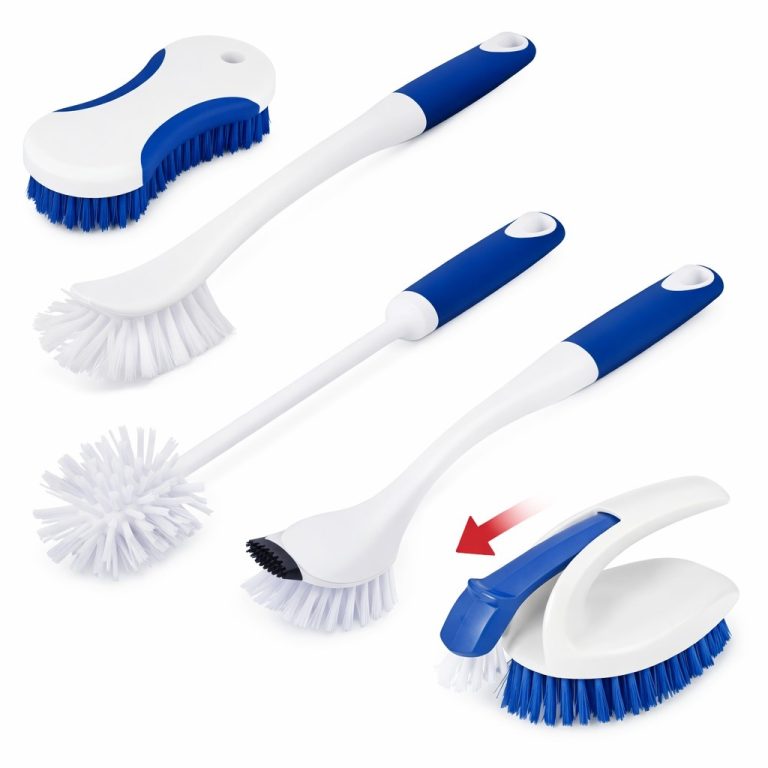
- Wash with mild, unscented dish soap using a sponge or brush.
- Rinse very well with hot water to remove all soap.
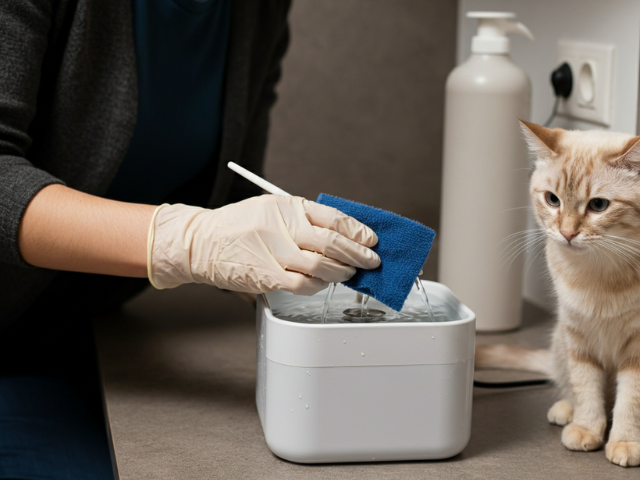
- For a deep clean each week, soak in equal parts white vinegar and water for 10 minutes, then scrub and rinse.
- Dry the bowl completely before adding fresh water.
This quick routine stops bacteria and makes water taste better. Avoid strong cleaners that leave smells.
Choosing the Right Bowl or Fountain for Lasting Freshness
Choose a wide, shallow bowl to avoid whisker stress. Stainless steel and ceramic bowls stay clean longer and resist odors.
Water fountains keep water moving and filtered, which cats love. They reduce bacteria and encourage drinking. Use larger fountains in multi-cat homes.
Here is a short comparison table:
| Container Type | Freshness Benefits | Cleaning Ease | Whisker Comfort | Best For |
|---|---|---|---|---|
| Stainless Steel | Resists bacteria, stays cool | Very easy | High | Daily use, multi-cat |
| Ceramic | No odor retention | Easy | High | Sensitive cats |
| Plastic | Cheap | Moderate | Low | Temporary use |
| Glass | Shows water level clearly | Easy | Moderate | Visibility |
| Filtered Fountain | Constant flow and filtration | Weekly | High | Picky drinkers |

Additional Practical Tips to Maintain Clean Water

- Place bowls away from food and litter boxes.
- Use multiple bowls in different quiet spots.
- Replace fountain filters on time.
- Add a little tuna water or low-sodium broth to tempt picky cats.
- Feed wet food to increase daily moisture.
- Add ice cubes in hot weather for cool water.
- Use raised bowls for senior cats.
- Check water levels daily to monitor drinking.
Signs of Dehydration and When to Contact a Vet
Look for dry gums, sunken eyes, tiredness, or less litter box use. If you see these signs even with clean water, contact your vet right away.
Frequently Asked Questions
Final Thoughts
Maintaining fresh, clean water is one of the simplest ways to support your cat’s long-term health and happiness. By combining daily changes, proper cleaning, the right equipment, and smart placement, you create an environment where your cat naturally drinks more.
These habits reduce health risks and strengthen the bond you share with your pet.Start with one or two changes today—perhaps a thorough clean and a new bowl location—and observe how your cat responds. Over time, consistent care becomes effortless and rewarding.
For quality options like stainless steel bowls and reliable fountains designed specifically for cats, explore products that fit your home and your cat’s style. Your feline friend will thank you with better hydration and more playful energy.