Fresh vegetables and fruits are essential for a healthy diet, but they spoil quickly without the right storage methods.
Learning effective ways to store vegetables and fruits for longer freshness reduces food waste, stretches your grocery budget, and lets you enjoy crisp, nutritious produce for days or even weeks longer.
Proper storage makes a big difference. Households often throw away a large portion of their produce due to spoilage. By managing temperature, humidity, airflow, and exposure to ethylene gas—a natural ripening hormone released by some fruits—you can double or triple the shelf life of many items.
These simple steps also help preserve vitamins, texture, and flavor, so you avoid eating wilted greens or mushy berries.
the Science of Produce Spoilage
Three main factors determine how long vegetables and fruits stay fresh: temperature, humidity, and ethylene gas. Most produce prefers refrigerator temperatures around 40°F (4°C) to slow bacterial growth without freezing damage.
High humidity (85-95%) prevents drying out, while good airflow stops excess moisture from causing rot.Ethylene-producing items like apples, bananas, and tomatoes release a gas that speeds up ripening in sensitive produce such as leafy greens, broccoli, and cucumbers. Storing these separately avoids premature spoilage.
Room-temperature storage works for certain hardy items like onions or winter squash, but only in cool, dark, dry spots. Understanding these principles gives you control over freshness instead of guessing.
General Best Practices for Storing Vegetables and Fruits
Follow these foundational rules before diving into specific items:
- Buy only what you need and check for bruises or soft spots at the store—damaged produce spoils faster and affects neighbors in the bin.
- Leave most items unwashed until use; excess moisture encourages mold.
- Remove any rubber bands or ties that trap moisture.
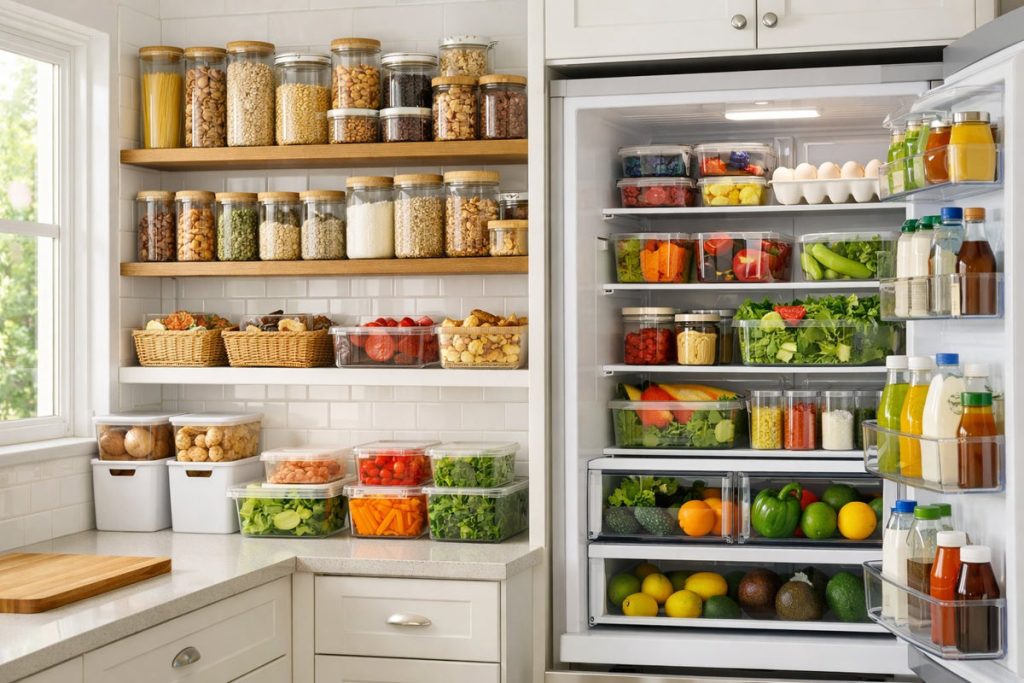
- Use the crisper drawer in your fridge for high-humidity needs, and adjust vents to “high” for leafy items.
- Separate ethylene producers from sensitive produce using different shelves or containers.
- Label containers with dates to track freshness and follow the “first in, first out” rule.
These habits alone can extend shelf life by 50% or more for many items.
12 Practical Ways to Store Vegetables and Fruits by Type
Leafy Greens (Lettuce, Spinach, Kale, Herbs) Wash only when ready to eat. Pat dry thoroughly, then store in a loosely sealed container lined with a paper towel to absorb moisture.
Hardy greens like kale last up to two weeks; tender ones like spinach keep 5–7 days. Stand herbs in a glass of water like flowers, cover loosely, and refrigerate.
Berries (Strawberries, Blueberries, Raspberries) Keep unwashed in a single layer in a breathable container. Line with paper towels and store in the fridge.
This method prevents crushing and mold, adding 3–5 extra days.
Root Vegetables (Carrots, Beets, Radishes, Potatoes) Remove leafy tops immediately—they pull moisture from the roots. Refrigerate carrots and beets in sealed containers for up to three weeks.
Store potatoes, sweet potatoes, and onions in a cool, dark pantry (not the fridge) with good airflow; refrigeration turns potato starch to sugar and causes sprouting.
Cruciferous Vegetables (Broccoli, Cauliflower, Cabbage) Store whole heads in the crisper or sealed containers. Cut pieces last 4–7 days when kept airtight. Keep away from apples or bananas.
Citrus Fruits (Oranges, Lemons, Limes) Refrigerate for up to three weeks or keep on the counter for one week if you prefer room-temperature juiciness.
They tolerate ethylene well but still benefit from separation from strong producers.
Apples and Pears Refrigerate in a plastic or reusable bag to maintain crispness. Apples produce ethylene, so isolate them from other fruits.
Unripe pears ripen faster in a paper bag at room temperature, then move to the fridge.
Tomatoes and Avocados Keep tomatoes on the counter away from direct sun until fully ripe, then refrigerate to slow further softening.
Avocados ripen at room temperature; once soft, move to the fridge for 2–3 extra days.
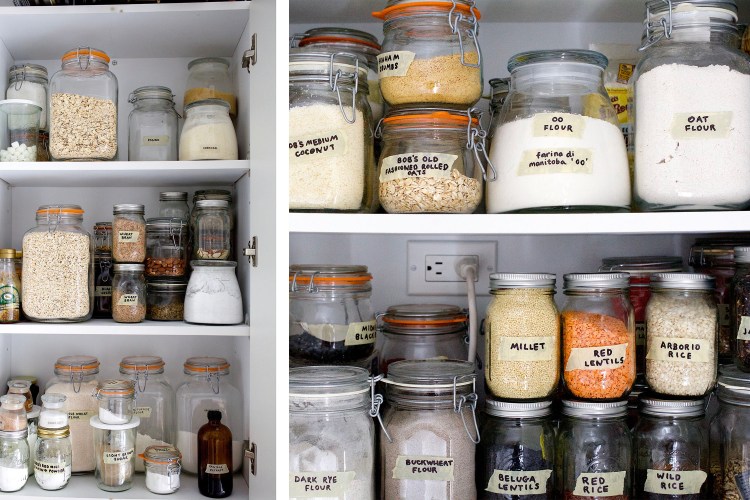
Onions, Garlic, and Winter Squash Store in a cool, dark, dry pantry in open baskets or mesh bags. Never use sealed plastic—the trapped moisture causes rot.
These can last months under ideal conditions.
Bananas and Mangoes Hang bananas to prevent bruising at the stem. Ripen mangoes at room temperature, then refrigerate.
Separate from other produce to avoid speeding up everyone else’s ripening.
Quick Reference Storage Guide
Use this short table as a kitchen cheat sheet for the most common items:
| Produce Type | Best Storage Location | Method | Expected Shelf Life | Ethylene Note |
|---|---|---|---|---|
| Leafy Greens | Refrigerator crisper | Sealed container + paper towel | 7–14 days | Sensitive – keep separate |
| Berries | Refrigerator | Breathable container, single layer | 5–10 days | Low producer |
| Root Vegetables (carrots, beets) | Refrigerator | Sealed bag or container | 2–4 weeks | Low |
| Potatoes & Onions | Cool, dark pantry | Open basket or mesh bag | 4–8 weeks | Do not store together |
| Apples | Refrigerator | Reusable bag | 4–6 weeks | High producer |
| Broccoli/Cauliflower | Refrigerator | Sealed container | 7–14 days | Sensitive |
| Citrus Fruits | Refrigerator or counter | Loose or mesh bag | 2–4 weeks | Tolerant |
| Tomatoes | Counter (ripe: fridge) | Bowl away from sun | 7–10 days | Moderate producer |
Print or screenshot this table and keep it on your fridge for instant reference.
The Best Storage Solution | Premium Reusable Food Storage Bags
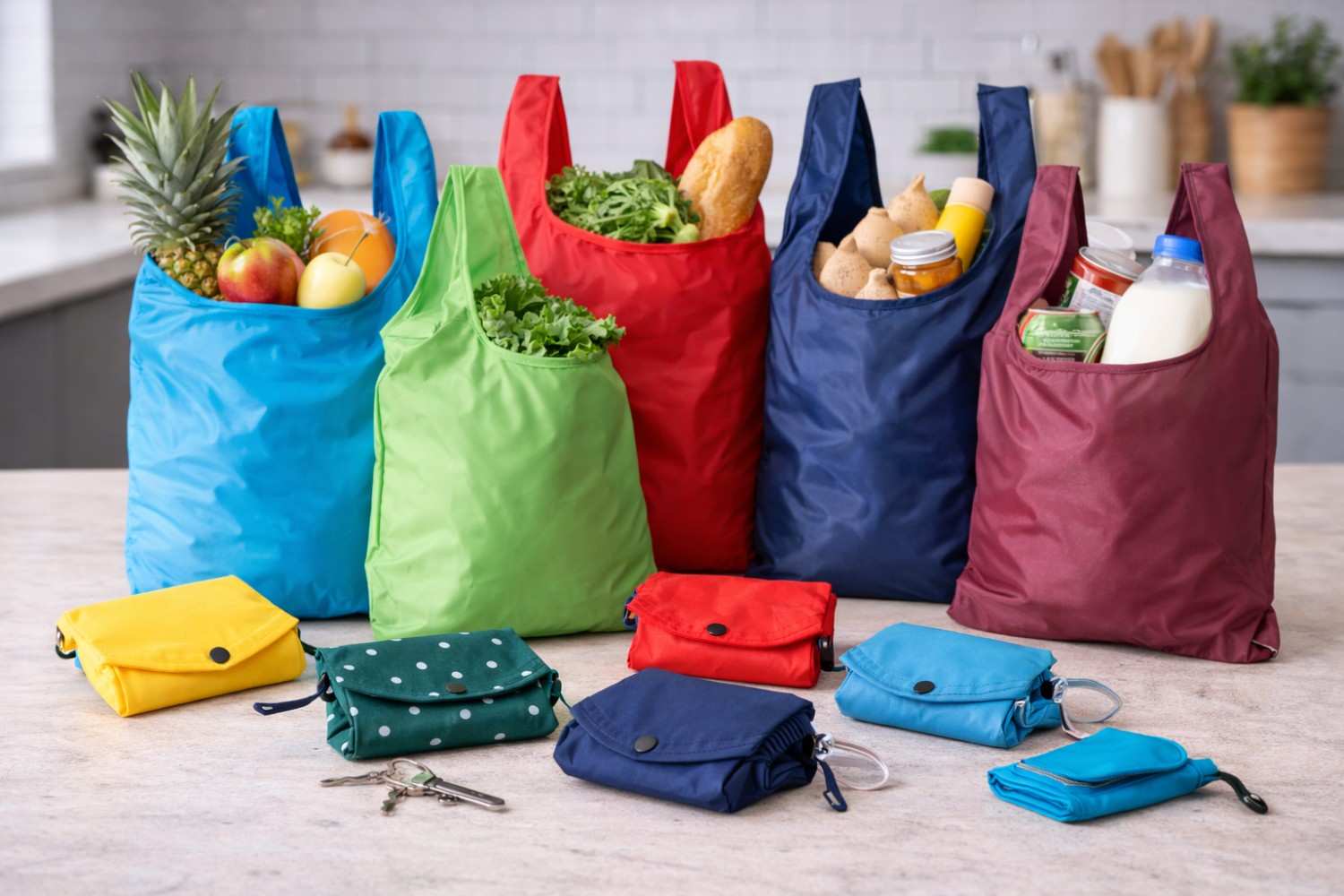
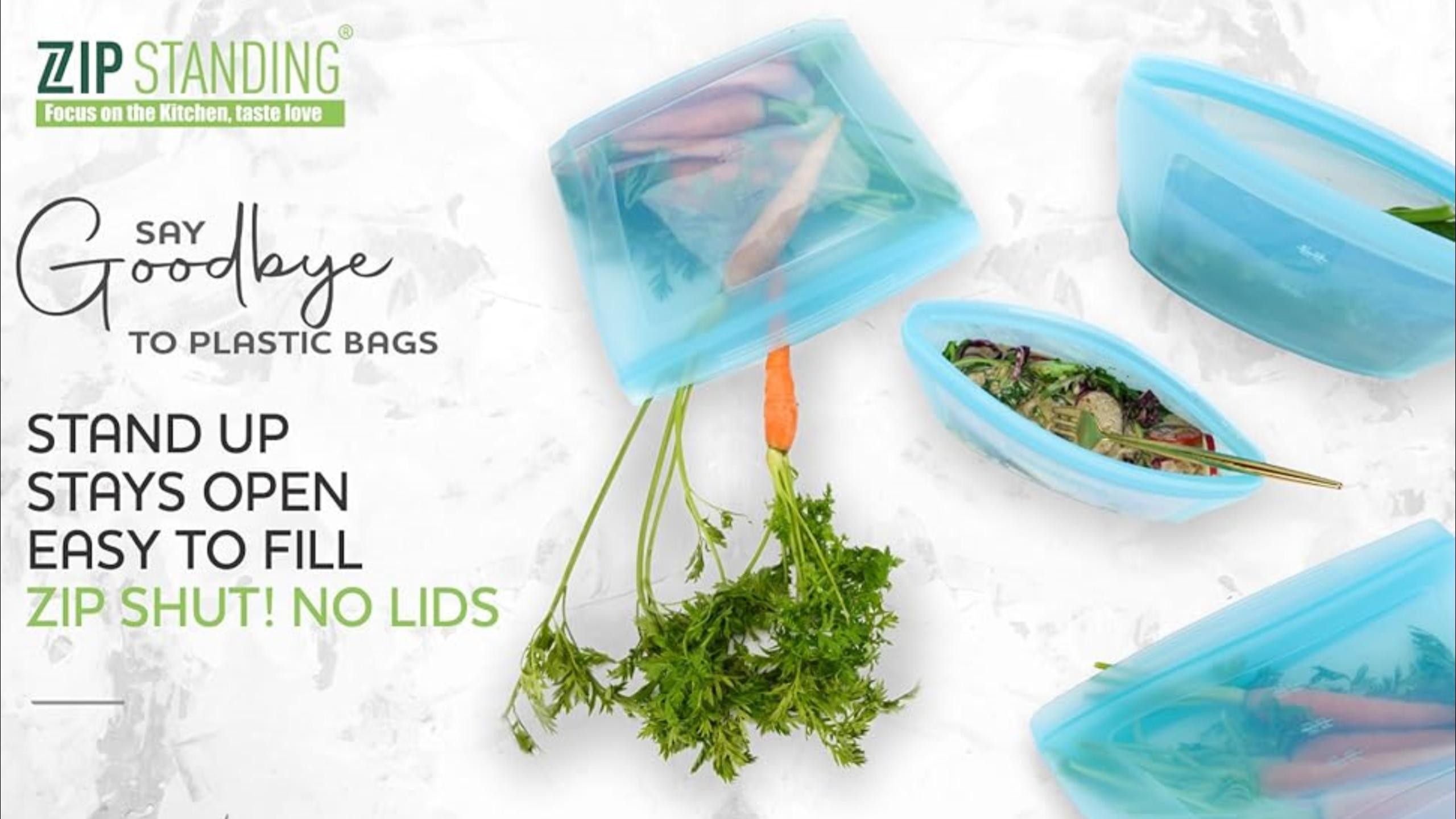
For the most versatile and effective way to store vegetables and fruits for longer freshness, nothing beats high-quality reusable food storage bags. Our 30-piece reusable food storage bags stand out as the top choice on the market.
Made from food-grade, BPA-free material with a strong leak-proof zip-lock seal, these bags come in small, medium, and large sizes to fit every need—from single servings of berries to bulk broccoli.
They are fridge- and freezer-safe, eco-friendly, and designed to maintain optimal humidity while blocking ethylene when needed. Unlike single-use plastic, these bags wash easily and last for hundreds of uses, saving money and reducing waste. Customers report berries staying fresh twice as long and leafy greens remaining crisp for over a week.
Store your produce directly in these bags: add a paper towel for greens, leave slightly open for airflow on roots, or seal fully for berries. They outperform traditional methods recommended elsewhere because they combine airtight protection with reusability.
Shop the best reusable food storage bags here: 30 Pcs Reusable Food Storage Bags. They are the smartest upgrade for any kitchen focused on freshness and sustainability.
Common Mistakes to Avoid
Many people shorten produce life without realizing it. Never refrigerate potatoes or onions—they develop off flavors and sprout faster. Avoid washing everything in advance; moisture breeds bacteria.
Storing ethylene producers and sensitive items together is a top error that ruins entire batches. Overpacking the fridge blocks airflow and raises temperature—leave space for air circulation. Finally, ignoring “use by” judgment: if it smells off or looks slimy, discard it to protect the rest.
Freezing for Extended Freshness
When fresh storage reaches its limit, freezing locks in nutrition at peak quality. Blanch most vegetables (boil briefly, then ice bath) before freezing in our reusable bags. Berries freeze beautifully straight from the package on a tray, then transfer to bags.
Frozen produce keeps 8–12 months and works perfectly for smoothies, soups, and stir-fries. Label with dates and contents for easy rotation.
Conclusion
Mastering these ways to store vegetables and fruits for longer freshness transforms your kitchen routine. You waste less, eat healthier, and save money every week.
Start with the general rules, use the reference table daily, and equip your fridge with our premium reusable food storage bags for effortless results. Small changes today lead to big savings and fresher meals tomorrow.