The Manx cat is a unique breed known for its lack of a tail, playful nature, and strong bond with people.
Originating from the Isle of Man, this feline has captured hearts around the world. Whether you’re curious about Manx cat characteristics, their history, or how to care for one, this guide covers everything you need to know.
These cats come in various colors like black, orange, and calico, and they can have short or long hair. If you’re thinking about adding a Manx to your family, read on to learn more about this special breed.
History of the Manx Cat
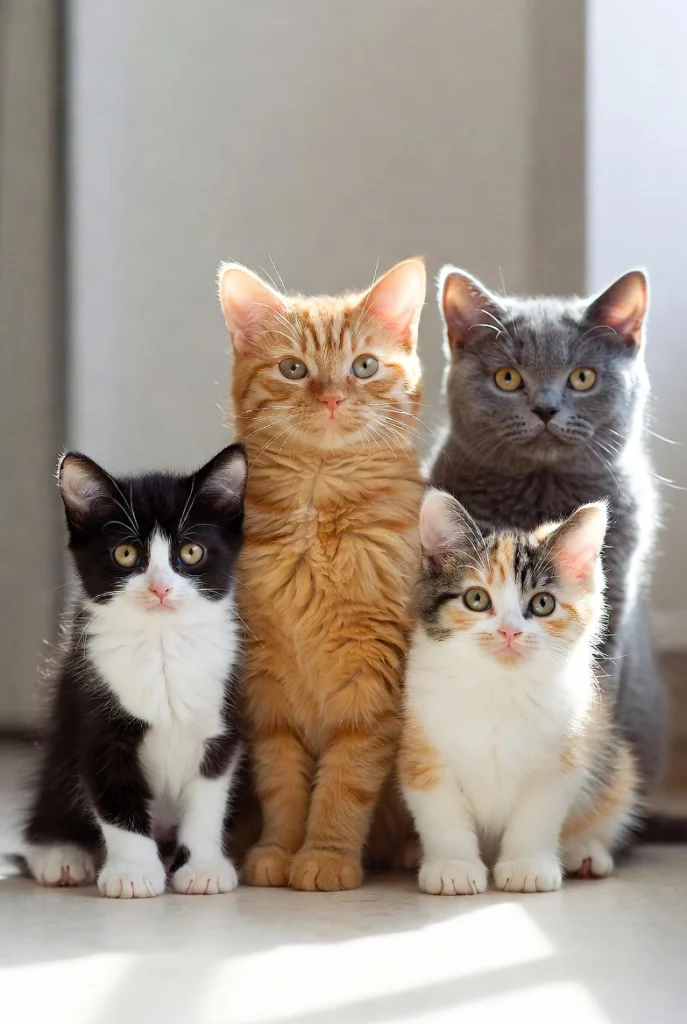
The Manx cat has a fascinating backstory that dates back centuries. It comes from the Isle of Man, a small island between England and Ireland. Legends say the cat lost its tail in funny ways, like getting it shut in Noah’s ark door or being late to board and having to swim ashore. But science tells a different story.
The tailless trait comes from a natural genetic mutation that happened on the island due to a small cat population.
Records show Manx cats were common on the Isle of Man by the 1700s. Farmers valued them for hunting mice and rats. The breed spread to other places like the UK and USA in the 1800s. Today, cat organizations like the Cat Fanciers’ Association (CFA) and The International Cat Association recognize the Manx.
They’re not rare, but purebred ones with no tail are special. This history makes the Manx more than just a pet—it’s a piece of island heritage.
Appearance and Physical Features
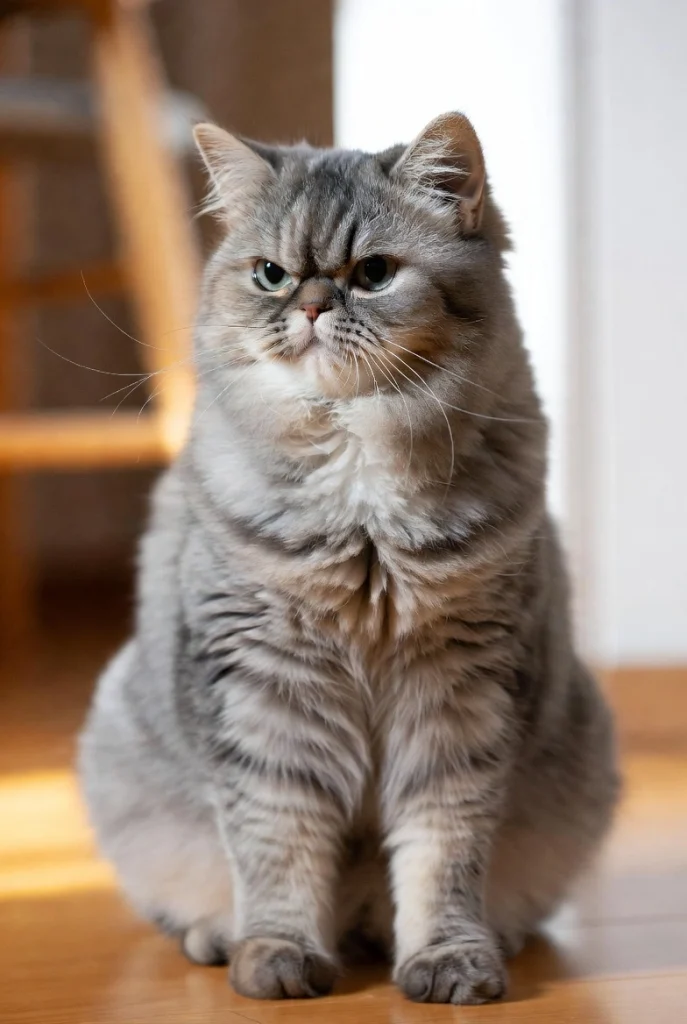
Manx cats stand out because of their rounded body and often tailless rump. They have a sturdy build with strong hind legs that make them hop like rabbits when they run. This “bunny hop” is a fun trait that comes from their unique spine.
Not all Manx cats are completely tailless. There are different tail types:
– Rumpy: No tail at all, just a dimple.
– Rumpy riser: A tiny bump of tail bone.
– Stumpy: A short tail stub.
– Longy: A full or almost full tail, like a regular cat.
Their coat can be short or long (called Cymric in some places). Colors include black and white, grey, orange tabby, calico, and tortoiseshell. Eyes are often gold, green, or blue, and ears are medium-sized with a slight curve.
For a quick comparison of Manx cat sizes and traits, here’s a simple table:
| Trait | Details | Average Range |
| Weight | Medium build, muscular | 7-13 pounds |
| Height | From ground to shoulder | 8-12 inches |
| Lifespan | Healthy with good care | 12-16 years |
| Coat Length | Short or long | Varies by type |
| Colors | Wide variety | Black, orange, calico, etc. |
These features make the Manx look cuddly and athletic at the same time. Their round head and big eyes give them an adorable, alert expression.
Also Read: Best Shampoo
Personality and Temperament
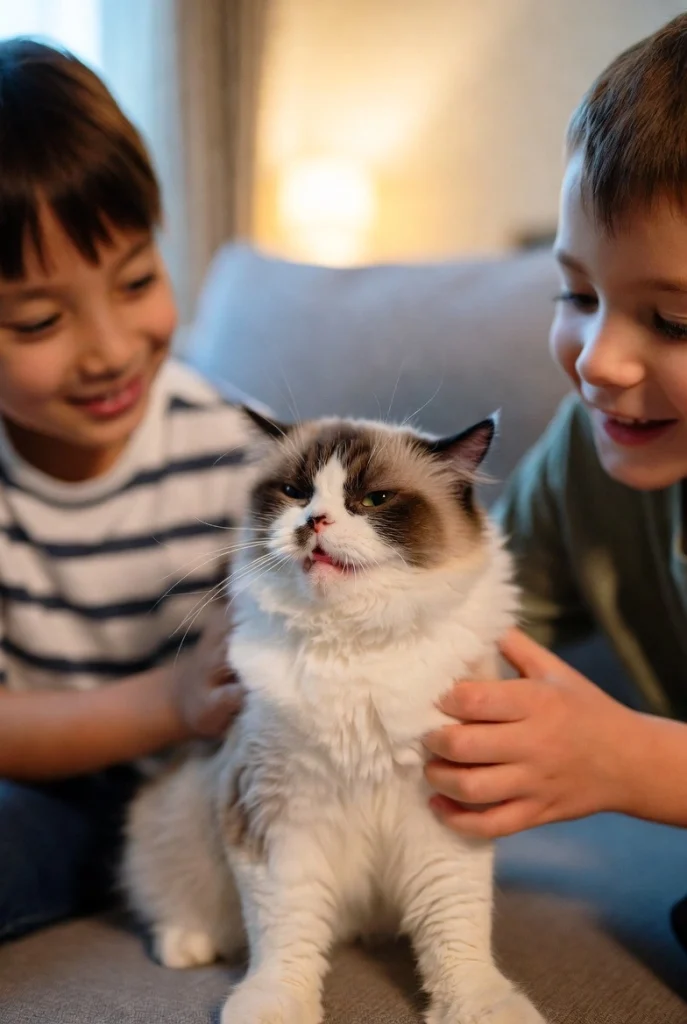
Manx cats are known for being friendly, smart, and a bit mischievous. They’re like dogs in some ways—loyal and eager to play. These cats love attention but aren’t too needy. They get along well with kids, other pets, and even strangers once they warm up.
Here are some key personality traits in bullet points:
– Playful: They chase toys and enjoy games like fetch.
– Affectionate: Often follow their owners around the house.
– Intelligent: Quick learners who can figure out puzzles or open doors.
– Quiet: Not very vocal, but they purr a lot when happy.
– Independent: Happy to entertain themselves, but thrive on family time.
If you want a cat that’s both a companion and an entertainer, the Manx fits perfectly. Their dog-like behavior makes them great for active households.
Care and Grooming Tips
Taking care of a Manx cat is straightforward, but their unique body needs some extra attention. They don’t require fancy diets or constant grooming, but regular check-ups help with health issues related to their tail gene.
Follow this for easy care steps:
1. Feed a balanced diet: Choose high-quality cat food with proteins for their energy. Avoid overfeeding to prevent weight gain, as they can get chubby.
2. Groom regularly: Brush short-haired Manx weekly; long-haired ones need it 2-3 times a week to prevent mats. They shed moderately.
3. Provide exercise: Set up toys, scratching posts, and climbing trees. Their strong legs love jumping and running.
4. Monitor health: Watch for back or bowel problems due to their spine. Annual vet visits are a must.
5. Create a safe space: They like high perches to observe, but ensure no high falls that could hurt their rump.
Manx cats are indoor pets, as their tailless nature makes them less agile in the wild. With proper care, they stay healthy and happy.
Common Health Issues
Like any breed, Manx cats can have specific health concerns. The gene that causes the short tail can sometimes lead to Manx syndrome. This affects the spine and might cause issues like constipation, incontinence, or weak hind legs. Not all Manx have it—responsible breeders test for it.
Other potential problems include arthritis in older cats or digestive troubles. They’re not prone to allergies, but keep an eye on their diet. Regular vet care and a good environment can prevent most issues. On average, they live a long, active life if bred well.
Where to Adopt or Buy a Manx Cat
If you’re ready for a Manx, adoption is a great option. Check shelters or rescue groups—many have Manx mixes needing homes. For purebreds, look for reputable breeders. Prices range from $500 to $1,500, depending on tail type and coat. In places like the USA, UK, or Australia, breeders focus on healthy lines.
Avoid buying from unverified sources to prevent health problems. Always ask about genetic testing. Kittens are cute, but adults make wonderful pets too.
Conclusion
The Manx cat is a delightful breed that combines charm, intelligence, and a touch of mystery with its tailless look.
From their Isle of Man origins to their loyal personalities, they’re perfect for families seeking a fun, low-maintenance pet.
Whether you choose a black and white Manx, an orange tabby, or a fluffy long-haired one, they’ll bring joy to your home. Remember to provide good care, watch for health signs, and enjoy their playful antics.
If you’re considering a cat, the Manx might just be your ideal match—loyal, unique, and full of purr-sonality.