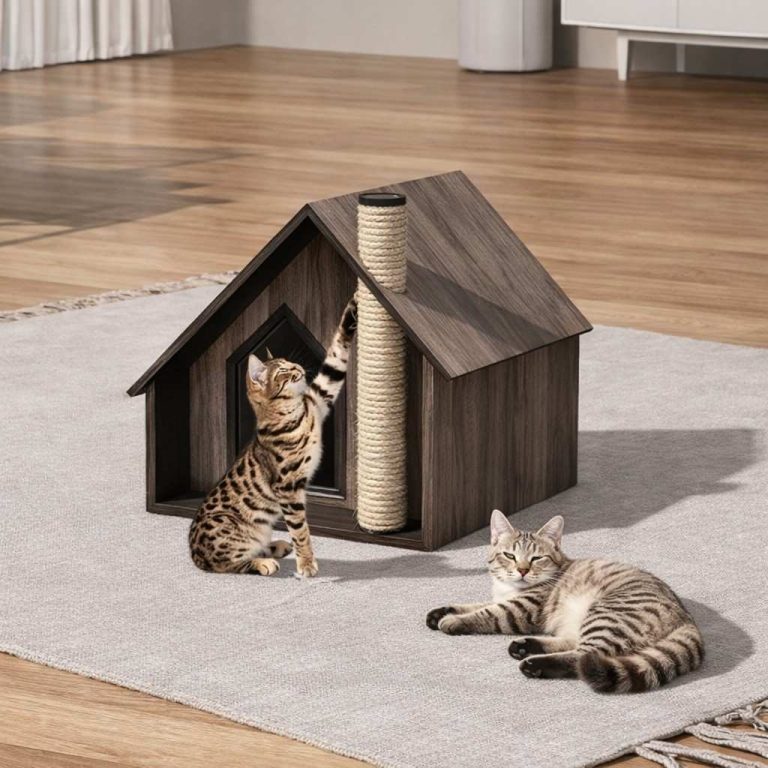
Many cat owners call their pet a lazy cat at some point. Maybe your cat sleeps all day, ignores toys, avoids running, or just lies in the same spot for hours. This can make you wonder if your cat is simply calm and relaxed or if something is wrong.
The truth is that cats naturally sleep a lot. In many cases, a lazy-looking cat is completely normal. Some cats are gentle, quiet, and low-energy by nature. But in some situations, low activity can be a sign of boredom, weight gain, stress, pain, or illness. That is why it is important to understand the difference between normal rest and unusual lethargy.
What Does It Mean When We Call a Cat “Lazy”?
When people say a cat is lazy, they usually mean the cat sleeps a lot, moves slowly, does not play much, or seems uninterested in activity. But the word “lazy” can be misleading. Cats are not lazy in the same way people use the word for humans. Cats are animals that save energy naturally. They are built to rest, watch, and move when needed.
A cat may look lazy because it spends long hours napping on a bed, window perch, sofa, or floor. That does not always mean there is a problem. Some cats are naturally more relaxed than others. Indoor cats also tend to be less active than outdoor cats because they have fewer things to chase, climb, and explore.
Normal Rest vs Excessive Lethargy
There is a big difference between a cat that enjoys resting and a cat that is truly lethargic. A normal resting cat still shows interest in food, reacts to sounds, moves around the house, uses the litter box, and becomes active at certain times of the day. Even a calm cat will usually have short moments of energy.
A lethargic cat is different. This cat may seem weak, unusually tired, slow to respond, or unwilling to move. It may stop playing completely, hide more than usual, lose interest in food, or struggle to jump and walk. If your cat’s behavior changes suddenly, it should not be ignored.
How Much Do Cats Actually Sleep? (The Real Numbers)
Cats sleep much more than humans. In fact, sleeping for long hours is one of the most normal things cats do. Most healthy cats sleep around 12 to 16 hours a day. Some may sleep even more, especially if they are young, old, relaxed, or not getting much stimulation.
Cats are also light sleepers much of the time. Even when they look deeply asleep, they may still be half-aware of sounds and movement around them. This is part of their natural instinct. In the wild, cats conserve energy for hunting, and domestic cats still carry that same behavior.
Kittens vs Adult Cats vs Senior Cats
Kittens often sleep the most. Their bodies are growing fast, so they need extra rest. It is normal for a kitten to sleep a lot between short periods of play.
Adult cats usually sleep many hours too, but their pattern depends on personality, environment, health, and routine. A healthy adult cat should still have active moments during the day.
Senior cats often slow down with age. Older cats may nap more, move less, and avoid jumping. Some of this is normal, but big changes should still be checked because aging can also bring pain or illness.
So if your cat sleeps a lot, that alone does not mean your cat is too lazy. You need to look at the full picture.
Top Reasons Your Cat Might Be Acting Lazy
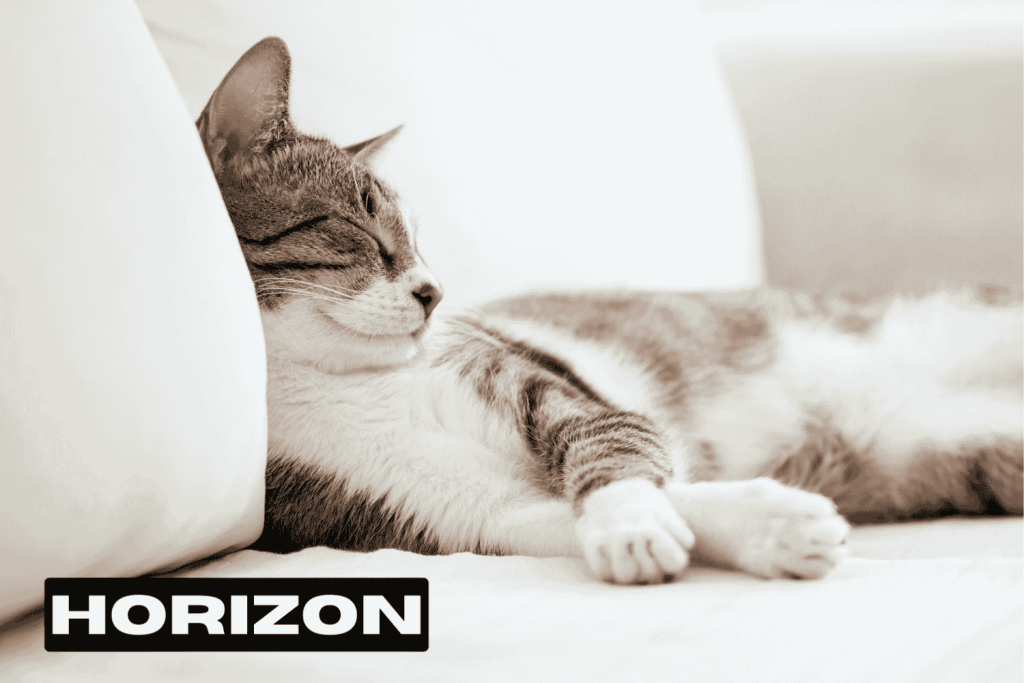
There are many reasons a cat may seem lazy. Some are completely normal, while others need attention. Understanding these causes can help you decide whether your cat is fine or may need support.
Breed Personality
Some cats are naturally more playful and energetic, while others are calm and quiet. Personality matters a lot. One cat may love chasing toys and climbing shelves, while another may prefer sleeping near a window most of the day.
A cat with a gentle personality may simply look lazier than other cats. This does not always mean anything is wrong. As long as the cat is eating well, grooming normally, and showing some interest in life, a calm nature is usually fine.
Age and Energy Levels
Age is one of the biggest reasons cats change their activity level. Kittens are playful and curious. Adult cats are often balanced. Older cats are usually slower and rest more.
As cats age, they may not run as much or jump as high. They may choose comfort over activity. This is common, but owners should still watch for signs of pain, stiffness, or discomfort that go beyond normal aging.
Diet and Overfeeding
Food plays a major role in your cat’s energy. A cat that eats too much and gains extra weight often becomes less active. The heavier the cat gets, the harder it becomes to move comfortably. This creates a cycle: the cat gains weight, becomes less active, and then gains even more weight.
Poor diet quality can also affect energy. If a cat is eating too many treats or low-quality food, it may not feel its best. Healthy feeding habits are important for both movement and overall health.
Boredom or Lack of Stimulation
Many indoor cats look lazy simply because life feels boring. If a cat has nothing interesting to do, no toys to chase, no climbing area, and no fun routine, it may just sleep more than needed.
Cats need mental stimulation as well as physical movement. They enjoy watching birds outside, climbing to high places, scratching, chasing toys, and exploring small changes in their environment. Without that, a cat may appear dull and inactive.
Health Issues to Watch For
Sometimes a lazy cat is not lazy at all. The cat may be uncomfortable, sick, tired, or in pain. A cat that suddenly becomes inactive should always be watched carefully.
Health-related laziness often comes with other changes, such as poor appetite, vomiting, weight loss, hiding, unusual breathing, trouble walking, or lack of grooming. If you notice these signs, the issue may be medical rather than behavioral.
Also Read: Best Cat Dryers
Is a Lazy Cat a Happy Cat?
Sometimes yes, and sometimes no. A relaxed cat can absolutely be a happy cat. Many happy cats enjoy sleeping in sunny spots, stretching on soft beds, and quietly watching the world around them. They do not need to run around constantly to be content.
A happy low-energy cat usually has these signs:
- good appetite
- normal grooming
- relaxed body language
- regular litter box habits
- interest in people or surroundings
- occasional playful moments
On the other hand, a cat that seems withdrawn, weak, uninterested, or uncomfortable may not be happy. That is why owners should not judge only by how much a cat sleeps. Look at mood, eating habits, movement, grooming, and daily routine.
A cat that rests a lot but still behaves normally is likely just calm. A cat that stops engaging with life may need help.
How to Gently Encourage an Active Lifestyle for Your Cat
If your cat is healthy but low-energy, there are simple ways to encourage more movement without causing stress. The goal is not to force your cat to act like a different animal. The goal is to support healthy habits, natural curiosity, and daily activity.
Interactive Toys and Play Sessions
Short, regular play sessions are one of the best ways to help a lazy cat move more. Many cats do better with short bursts of play than long sessions. Even 10 to 15 minutes once or twice a day can help.
Try toys that encourage chasing, pouncing, or batting. Rotate toys so your cat does not get bored. Some cats love feather toys, while others prefer balls, tunnels, or moving toys. Find what your cat enjoys instead of using the same thing every day.
Play also helps reduce boredom, stress, and weight gain. It keeps indoor cats mentally active and gives them a healthy outlet for their natural hunting instincts.
Comfortable Resting Spots
This may sound surprising, but better rest can also support better activity. Cats need to feel safe and comfortable in order to stay balanced. If your cat has cozy places to sleep and observe the room, it may feel calmer and more willing to move during active times.
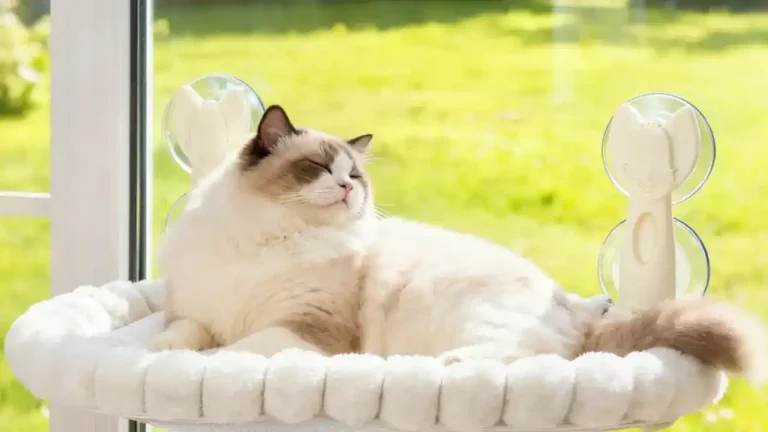
A soft cat bed can give your pet a warm and secure place to rest. This is especially helpful for cats that like quiet spaces or older cats that need extra comfort. A window hammock or raised sleeping space can also encourage your cat to climb, stretch, and enjoy the view outside.
Comfort matters because a cat that feels safe often becomes more confident and engaged.
Hydration and Diet Tips
Good hydration supports energy, digestion, and general health. Some cats do not drink enough water from a basic bowl. A cat water fountain can help because many cats prefer moving water. It may encourage them to drink more throughout the day.
Fresh water should always be available, and the food portion should match your cat’s age, size, and activity level. If your cat is gaining weight, reducing extra treats and improving meal control can make a big difference.
A healthy diet plus proper hydration can help your cat feel more alert and comfortable.
When Should You Visit a Vet?
A calm cat is not always a sick cat, but some signs should never be ignored. You should visit a vet if your cat’s laziness is sudden, extreme, or clearly unusual.
Seek veterinary advice if your cat:
- suddenly sleeps far more than normal
- stops eating or drinks much less
- vomits often
- loses weight
- hides all the time
- seems weak or confused
- struggles to jump, walk, or stand
- breathes unusually
- shows signs of pain
- stops grooming
It is especially important to act quickly if the behavior change happens suddenly. Cats often hide illness well, so even small changes can matter. A medical check can rule out pain, infection, injury, obesity-related issues, arthritis, or other underlying problems.
Conclusion
A lazy cat is not always a problem. In many cases, a cat that sleeps a lot is simply following its natural rhythm. Cats are built to rest, save energy, and enjoy calm environments. Some are naturally more active, while others are peaceful and low-energy.
What matters most is not the label “lazy.” What matters is whether your cat is behaving normally for its age, personality, and routine. A healthy cat can sleep a lot and still be happy. But if your cat becomes suddenly inactive, stops eating, hides more, or shows signs of pain, it may be time to look deeper.
Pay attention to your cat’s habits, provide daily stimulation, support hydration, and create a comfortable home with the right essentials. With the right care, you can help your cat stay healthy, relaxed, and active in a natural way.