The Havanese is a small, cheerful dog that is full of life and love. It is the national dog of Cuba and the only dog breed that comes from that country.
This breed is known for its long, silky coat, big brown eyes, and a happy spring in its step. Havanese dogs are great companions. They love to be near people and enjoy spending time with families, children, and even other dogs.
If you are looking for a loyal and playful pet, the Havanese might be the perfect dog for you.
Height
A fully grown Havanese stands between 8.5 and 11.5 inches tall at the shoulder. This small size makes the breed easy to manage and great for apartment or city living.
Weight
An adult Havanese usually weighs between 7 and 13 pounds (about 4.5 to 7.3 kg). Even though they are small, they are sturdy and not fragile.
Life Expectancy
Havanese dogs have a long and healthy life. Most live between 14 and 16 years. With good care, regular vet visits, and a healthy diet, your Havanese can be your companion for many years.
Breed Appearance
The Havanese has a very unique and beautiful look. Its coat is long, soft, and silky. The body is slightly longer than it is tall, giving it a rectangular outline.
The tail is plumed and curls loosely over the back. The ears are drop ears, which means they hang down gently. The eyes are large, dark brown, and almond-shaped. They give the dog a soft, smart, and sometimes mischievous expression. Overall, the Havanese looks elegant but also playful and friendly.
Size & Weight
The Havanese belongs to the Toy Group. This means it is one of the smaller dog breeds. Its small size makes it a great choice for people who live in apartments or smaller homes. Despite being small, the Havanese is not weak. It is a well-built and sturdy little dog that can keep up with an active family lifestyle.
Also Read: Horizon Plus Trading
Havanese Characteristics
Breed Traits & Characteristics
The Havanese is known for many positive traits. Here is a look at the key characteristics of this breed:
Affectionate With Family: The Havanese loves its family deeply. It enjoys being close to its owners and does not like to be left alone for long periods of time.
Good With Young Children: This breed is gentle and patient with children, making it a great family dog.
Good With Other Dogs: Havanese dogs are friendly and social. They usually get along well with other dogs.
Shedding Level: The Havanese sheds very little. This is one of the reasons it is considered a hypoallergenic breed.
Coat Grooming Frequency: The long silky coat needs regular brushing and grooming to prevent tangles and mats.
Drooling Level: The Havanese drools very little, which makes it a clean and easy breed to live with indoors.
Coat Type: Long and silky with soft waves or ringlets.
Coat Length: Long. The coat can be kept natural or clipped into a shorter style for easier care.
Openness To Strangers: The Havanese is very open and friendly toward new people. It is not a shy or fearful breed.
Playfulness Level: Very high. The Havanese loves to play games and enjoys learning fun tricks.
Watchdog / Protective Nature: Moderate. It may bark to alert its owner, but it is not an aggressive dog.
Adaptability Level: Very high. The Havanese adapts well to different living environments, including apartments and city homes.
Trainability Level: Very high. This is a smart and eager-to-please breed. It responds well to positive reinforcement.
Energy Level: Moderate. The Havanese is lively and active but does not need hours of intense exercise.
Barking Level: Moderate. The Havanese may bark at strangers or unusual sounds. Proper training from a young age can help control excessive barking.
Mental Stimulation Needs: High. This intelligent dog needs mental challenges like games, puzzles, and training sessions to stay happy.
Breed Colors & Markings
Colors
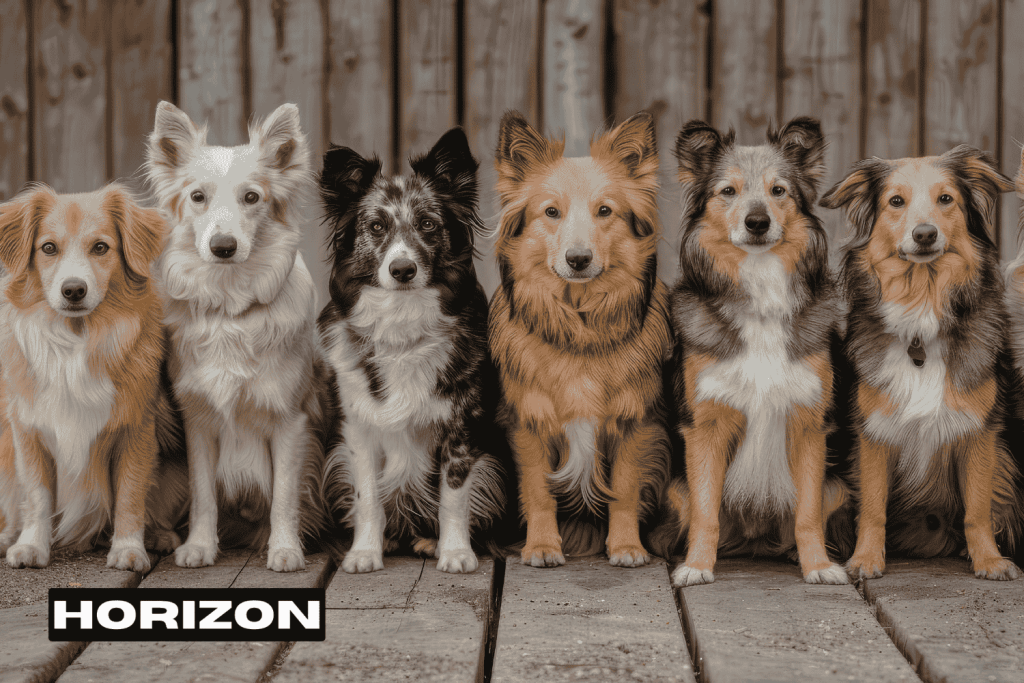
The Havanese comes in a wide range of beautiful colors. These include white, black, fawn, Havana brown, mahogany, and tobacco. Some dogs also come in cream, gold, sable, and silver. Parti-color patterns, where two or more colors are combined, are also common in this breed.
Markings
Havanese dogs can have various markings such as parti-color patterns, tan points, silver points, and Irish pied patterns. These markings make each Havanese look unique and special.
How to Care for a Havanese
Health
The Havanese is generally a healthy breed. However, like all dogs, it can be prone to certain health issues. Common concerns include eye problems, patellar luxation (a knee issue), and heart conditions. It is important to take your Havanese to the vet regularly for check-ups and vaccinations.
Recommended Health Tests From the National Breed Club: The National Breed Club recommends specific health tests for the Havanese. These tests help identify potential health issues early so they can be managed properly. Always ask your breeder for health certificates before buying a puppy.
Grooming
The Havanese has a long, silky coat that needs regular care. You should brush your dog’s coat daily to prevent tangles and mats. Many owners choose to take their Havanese to a professional groomer every 6 to 8 weeks. You can also keep the coat clipped short for easier maintenance. Regular ear cleaning, nail trimming, and dental care are also important parts of grooming.
Exercise
The Havanese has a moderate energy level. It needs daily exercise to stay healthy and happy. A short walk each day, combined with indoor playtime, is usually enough. This breed loves to play games and enjoys activities that involve its owner. Because of its small size, the Havanese does well in apartments as long as it gets regular exercise.
Training
Training a Havanese is usually a fun and rewarding experience. This breed is intelligent and eager to please, which makes it easy to train. Positive reinforcement methods, such as treats and praise, work best. Early socialization is also important. Introducing your Havanese to new people, places, and other animals at a young age will help it grow into a confident and well-behaved dog. To prevent excessive barking, start training early and be consistent.
Nutrition
A Havanese should be fed a high-quality dog food that is designed for small or toy breeds. The food should be rich in protein and have the right balance of nutrients. Avoid overfeeding, as small dogs can gain weight quickly. Always provide fresh water and consult your vet about the best diet plan for your dog’s age, size, and health needs.
Also Read: Cat Dryers
Cost of Owning
Owning a Havanese comes with certain costs that you should plan for. The initial cost of buying a Havanese puppy from a reputable breeder can range from a few hundred to over a thousand dollars. Ongoing costs include food, grooming, vet visits, vaccinations, and toys. Professional grooming alone can cost a significant amount each year due to the breed’s long coat. However, many owners find that the joy and companionship this breed provides is well worth every penny.
Cross Breeds
The Havanese is sometimes mixed with other breeds to create popular crossbreeds. The Havapoo is a mix between a Havanese and a Poodle. It is known for being hypoallergenic and very smart. The Havamalt is a cross between a Havanese and a Maltese, combining the best traits of both breeds. The Havashire is a mix of a Havanese and a Yorkshire Terrier, producing a small and lively companion dog.
Find Havanese Puppies
If you are ready to bring a Havanese puppy into your home, it is important to find a responsible and reputable breeder.
Look for breeders who provide health certificates and allow you to visit the puppies. You can also check the AKC Marketplace or contact the National Breed Club for breeder referrals. Another great option is to adopt from a Havanese rescue organization and give a dog in need a loving forever home.
History
The Havanese has a rich and fascinating history. It was developed in Cuba from a now-extinct breed called the Blanquito de la Habana, which means “little white dog of Havana.” The Blanquito itself descended from the Bichón Tenerife, another extinct breed.
The Havanese became very popular among Cuban aristocrats and noble families. After the Cuban Revolution, many Cuban exiles brought their Havanese dogs to the United States, saving the breed from near extinction.
Today, the Havanese is recognized by the American Kennel Club and is loved by dog owners around the world.
Fun Facts
The Havanese is the only dog breed that is native to Cuba. It is also the national dog of Cuba. These dogs are natural entertainers and are known for their comic instincts and love of performing tricks.
The Havanese was once called the Havana Silk Dog and the Spanish Silk Poodle because of its beautifully soft coat. Famous people throughout history have loved this breed, and it has been a popular companion dog for centuries.
Did You Know?
Did you know that the Havanese was recognized by the American Kennel Club in 1996 as its 142nd breed? Despite being a small dog, the Havanese is surprisingly sturdy and athletic.
It can compete in dog sports like agility and obedience. The Havanese coat, when kept natural, can develop into long flowing ringlets that are truly stunning.
This breed is also known for walking with a unique springy gait that makes it look joyful with every step.
National Breed Club & Rescue
The Havanese Club of America is the official national breed club for the Havanese in the United States. This organization provides resources for owners, breeders, and anyone interested in learning more about the breed.
They also support rescue efforts to help Havanese dogs find new and loving homes. If you are looking to adopt or need more information, the Havanese Club of America is a great place to start.
Compare Breeds
If you are deciding between the Havanese and other small breeds, it helps to compare them side by side. The Havanese is similar to breeds like the Bichon Frisé, the Maltese, and the Coton de Tulear.
All of these are small, friendly, and low-shedding dogs. However, the Havanese stands out for its highly adaptable nature, its longer lifespan, and its unique Cuban heritage. It is also more trainable than many other toy breeds, making it a top choice for first-time dog owners.
Explore Other Breeds
If you enjoy learning about the Havanese, you might also be interested in exploring other related breeds. The Bichon Frisé is a fluffy and cheerful dog that shares many traits with the Havanese.
The Maltese is another elegant small breed known for its white silky coat. The Havapoo, a Havanese-Poodle mix, is a popular designer breed that is highly intelligent and hypoallergenic. Each of these breeds offers its own unique qualities, so take the time to learn about them before making your final choice.