Choosing the right pet food bowl makes mealtime safer, cleaner, and more comfortable for your dog or cat. A good pet food bowl helps prevent spills, keeps food fresh, and supports healthy eating habits.
Whether you have a playful puppy, a senior cat, or a large breed dog, the perfect bowl fits your pet’s needs and your home.
In this guide, we cover everything from materials and types to key features and top recommendations. We draw from expert testing, vet advice, and real pet owner experiences to help you find the best pet food bowl. By the end, you’ll know exactly what to look for.

Why the Right Pet Food Bowl Matters
The bowl you pick affects more than just feeding time. Poor choices can lead to health issues like bacteria buildup, digestive problems, or even injuries from broken pieces. For example:
- Fast eaters (common in dogs) risk bloat or choking without a slow feeder.
- Seniors or arthritic pets benefit from elevated bowls to reduce neck strain.
- Cats with whisker fatigue need wide, shallow bowls to avoid stress while eating.
A quality pet food bowl lasts longer, cleans easier, and keeps your floors spotless. It also fits your lifestyle—whether you’re at home, traveling, or managing multiple pets.
Types of Pet Food Bowls
Pet food bowls come in several designs, each solving specific problems.
- Standard Bowls: These basic round or square dishes work for most pets. They suit dry kibble, wet food, or water. Look for ones with a wide base to stop tipping.
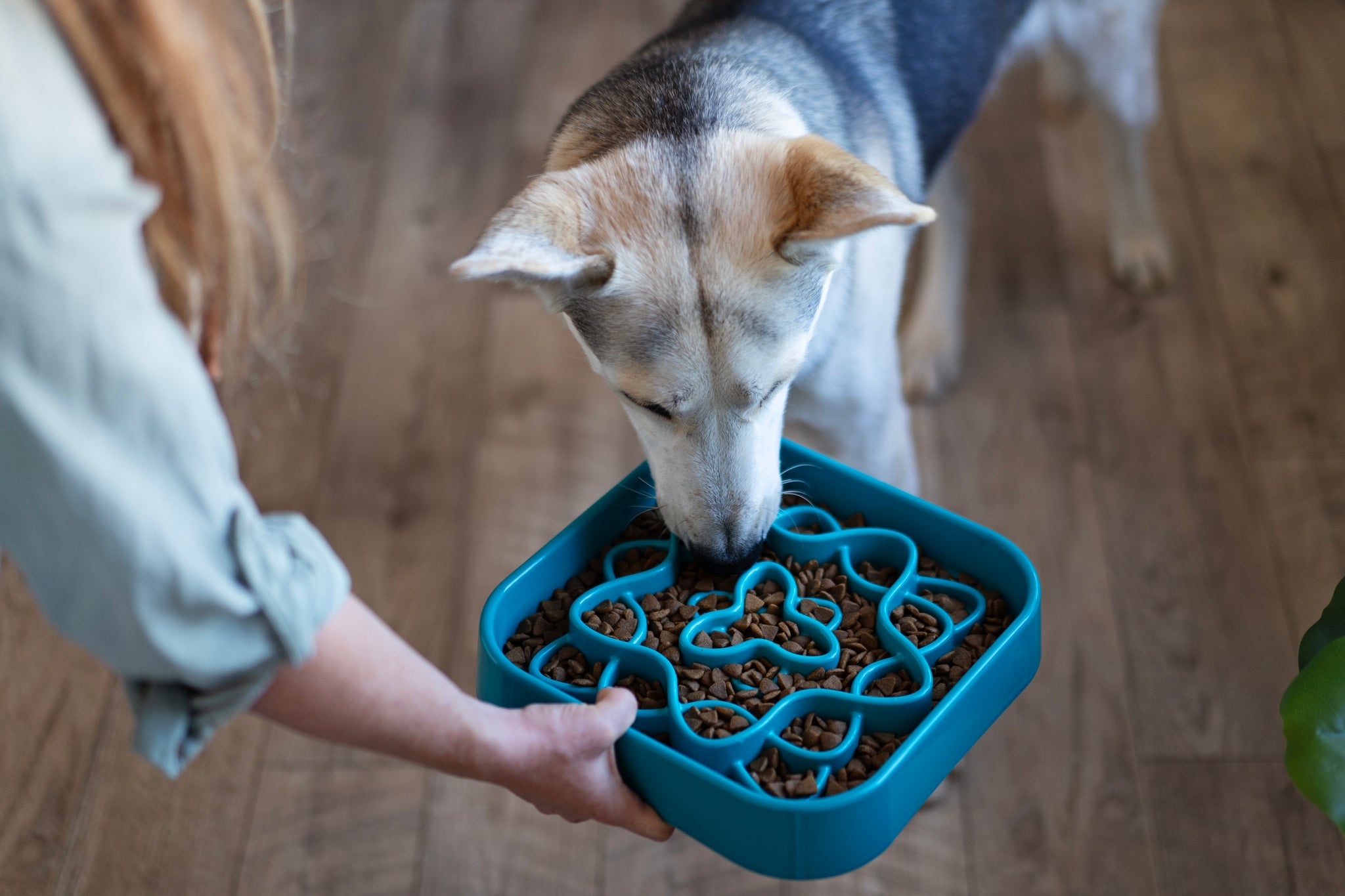
- Slow Feeder Bowls: Designed with ridges or mazes, these make pets eat slower. They reduce gulping, which helps prevent vomiting, gas, and bloat. Ideal for dogs that finish meals in seconds.
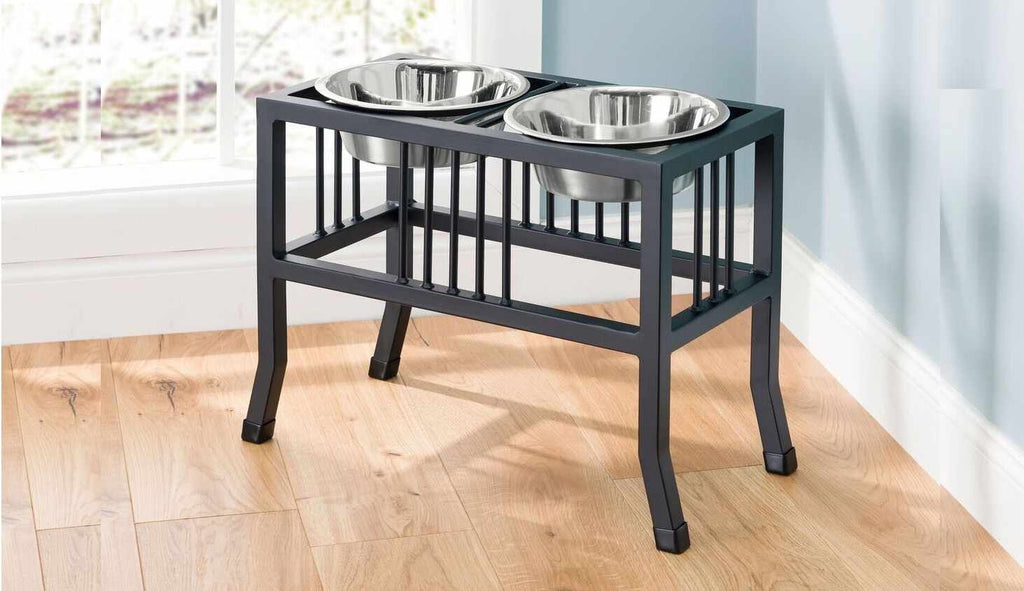
- Elevated or Raised Bowls: These sit on stands 4 to 12 inches high. They help larger dogs or those with joint pain eat more comfortably. Some include storage for food bags.
- Double Bowls: One bowl for food and one for water in a single unit. Great for busy households or travel. Many have non-slip bases.
- Travel and Collapsible Bowls: Foldable silicone options clip to leashes or packs. They pack flat for hikes or car trips and clean quickly.
- Automatic Feeders: These dispense food on a schedule. Useful for owners who work long hours or travel. Some connect to apps for monitoring.
- Ceramic and Decorative Bowls: Stylish for homes where looks matter. They add a modern touch but need careful handling.
Best Materials for Pet Food Bowls
Material choice impacts safety, durability, and cleaning. Here’s a clear comparison:
| Material | Pros | Cons | Best For |
|---|---|---|---|
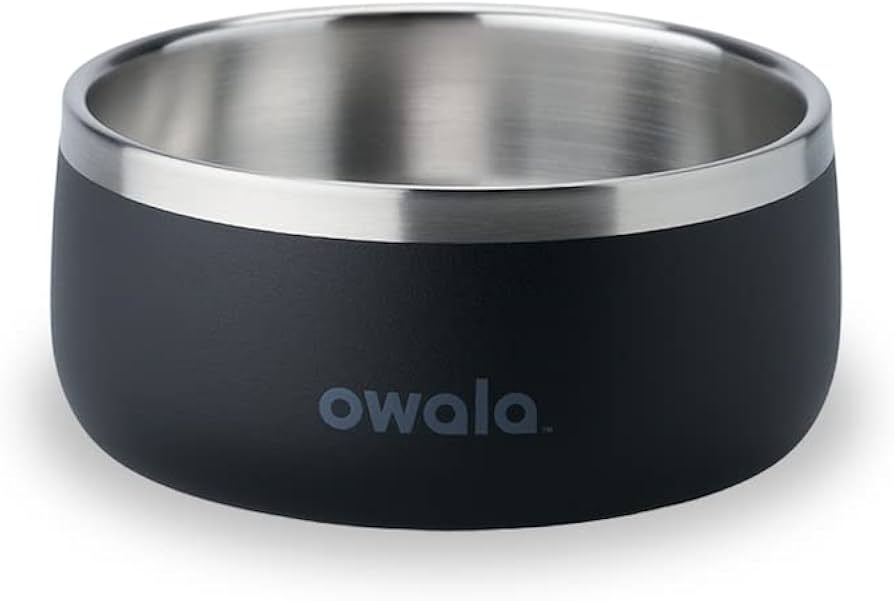
| Stainless Steel | Extremely durable, dishwasher-safe, resists bacteria, non-toxic, affordable | Can dent if dropped, may make noise when moved | Everyday use for dogs and cats, all sizes |
| Ceramic/Stoneware | Attractive designs, heavy to prevent tipping, easy to clean | Can chip or break, heavier, potential lead in low-quality versions | Homes wanting style, less active pets |
| Plastic | Cheap, lightweight, colorful | Scratches easily (harbors bacteria), may contain BPA or phthalates, wears out fast | Short-term or budget use only (avoid long-term) |
| Silicone | Flexible, unbreakable, lightweight, portable | Less stable on floors, can hold odors if not cleaned well | Travel, puppies, or outdoor use |
Stainless steel stands out as the top choice for most pet owners and vets. It won’t leach chemicals into food and stays hygienic with regular washing.
Key Features to Look For
When shopping for a pet food bowl, focus on these details:
- Size and Capacity: Match the bowl to your pet’s portions. Small bowls (1-2 cups) suit cats or toy breeds. Large ones (4-10 cups) fit big dogs. Measure your pet’s daily food to avoid overfilling.
- Non-Slip Base: Rubber or silicone bottoms stop sliding on tile or wood floors.
- Easy to Clean: Dishwasher-safe or wide openings for hand washing. Smooth surfaces prevent food from sticking.
- Depth and Shape: Deep bowls reduce spills for messy eaters. Wide, shallow ones prevent whisker fatigue in cats.
- Durability: Thick materials resist chewing from puppies or strong jaws.
- Safety: Food-grade, BPA-free, lead-free. Check for no sharp edges.
For multi-pet homes, pick stackable or modular sets.
Top Pet Food Bowl Recommendations for 2026
Here are standout options based on durability, user feedback, and features. These outperform basic bowls in real-world tests.
- Best Overall: Heavy-Duty Stainless Steel Non-Skid Bowl Thick 18/8 stainless steel with a full rubber base. Available in 4-10 cup sizes. It stays put, cleans in the dishwasher, and resists dents. Perfect for daily use with dogs or cats.
- Best Slow Feeder: Interactive Maze Bowl Plastic or silicone with raised patterns. Slows eating by 50% or more. Non-slip bottom and multiple sizes. Great for gulpers—reduces bloat risk.
- Best Elevated Bowl: Adjustable Raised Feeder Wood or metal stand with stainless steel inserts. Heights from 4-12 inches. Includes spill guards and storage. Ideal for large breeds or pets with arthritis.
- Best Ceramic Option: Wide Shallow Dish Lead-free stoneware with a stable base. Dishwasher-safe and stylish. Suits cats and small dogs avoiding whisker stress.
- Best Double Bowl Set: Stainless Steel with Mat Two bowls on a non-slip tray. One for food, one for water. Easy to separate for cleaning. Works well in kitchens.

- Best for Travel: Collapsible Silicone Bowl Folds flat, clips to bags, and holds 2-4 cups. Food-grade and leak-proof. Perfect for walks or vacations.
- Best for Messy Eaters: Neater Feeder Style Elevated with a catch tray. Contains spills and food scatter. Stainless or slow-feeder inserts available.
- Best Budget Pick: Basic Non-Skid Stainless Affordable, reliable, and long-lasting. Multiple sizes and colors.
These picks balance price, performance, and pet comfort. Check your e-commerce store for current stock and sizes.
Also check: emirates pet travel cost
How to Choose the Right Pet Food Bowl
Follow these steps:
- Assess Your Pet: Size, age, eating speed, and breed (e.g., flat-faced dogs need wide bowls).
- Measure Portions: Use your pet’s food amount to pick capacity.
- Consider Your Space: Floor type, home style, and number of pets.
- Set a Budget: Quality stainless starts under $20. Elevated sets range $30-80.
- Read Reviews: Look for real photos and long-term use notes.
- Test It: Start with one and upgrade if needed.
For puppies, choose chew-proof options. For cats, prioritize wide rims.
Caring for Your Pet Food Bowls
Clean bowls daily with hot water and pet-safe soap. Run dishwasher-safe ones on the top rack weekly. Replace scratched plastic immediately. Inspect ceramics for cracks monthly. Store extras in a dry place to avoid odors.
Frequently Asked Questions
Final Thoughts
The best pet food bowl combines safety, convenience, and your pet’s unique needs. Stainless steel remains the gold standard for most homes, but slow feeders or elevated designs can transform mealtime.
Shop smart, start simple, and upgrade as you learn what works. Your pet will thank you with happier, healthier eating.
Ready to upgrade? Browse our collection of pet food bowls today for fast shipping and quality options tailored to every pet.
This guide keeps you informed with practical tips and clear choices—far beyond basic lists. Use it to make the smartest pick for your furry friend.