Dog grooming is an important part of keeping a dog healthy, clean, and comfortable. Many people think grooming is only about making a dog look nice, but it does much more than that.
Regular grooming helps remove dirt, loose hair, and tangles. It can also help owners notice skin problems, ear issues, or nail concerns early.
Whether you visit a professional groomer or do basic care at home, dog grooming should be a regular part of your pet care routine.
In this guide, you will learn what dog grooming is, why it matters, how often it should be done, what tools are used, and how beginners can start grooming a dog at home.
What Is Dog Grooming?
Dog grooming means cleaning and caring for a dog’s body, coat, skin, ears, and nails. It includes tasks like brushing, bathing, ear cleaning, drying, hair trimming, and nail trimming. Some dogs need more grooming than others, especially long-haired breeds.
Grooming is not only for beauty. It is also part of a dog’s hygiene and overall health. A clean and well-groomed dog usually feels better, smells fresher, and stays more comfortable.
Why Dog Grooming Is Important
Regular dog grooming has many benefits. First, it helps keep the coat healthy and clean. Dirt, loose hair, and tangles can build up if a dog is not groomed often. This can cause discomfort and skin irritation.
Second, grooming helps prevent matting. Mats are knots in the fur that can pull on the skin and hurt the dog. Long-haired dogs are more likely to get mats, so they often need daily brushing.
Third, grooming gives you a chance to check your dog’s body. While brushing or bathing, you may notice dry skin, redness, bumps, ear dirt, or other problems. Finding these signs early can help you act quickly.
Key Aspects of Dog Grooming
There are several main parts of dog grooming. These include brushing, ear cleaning, bathing, drying, and nail trimming. Some dogs also need haircuts, especially breeds with fast-growing coats.
Grooming can be done at home or by a professional. At-home care is useful for basic maintenance, while professional grooming salons offer full services and breed-specific cuts. Puppies can also begin grooming early so they get used to the process.
Basic Dog Grooming Steps
A good grooming routine usually follows simple steps. These steps help make grooming safe and effective.
Pre-Brush
Before bathing, brush the dog’s coat well. This helps remove loose hair, dirt, and small tangles. Brushing before a bath is important because water can make mats even tighter.
Ear Cleaning
Check the ears carefully. Clean them gently if needed. Healthy ears are important because dirt and moisture can lead to irritation.
Bathing
Bathing helps clean the coat and skin. Use a dog-safe shampoo and wash gently. Make sure to clean well but do not get water in the dog’s eyes or ears.
Drying
After the bath, dry the dog properly. A damp coat can cause discomfort and may lead to skin issues. Some owners use towels, while professional groomers may use special dryers.
Nail Trimming
Nail trimming is also very important. Long nails can make walking uncomfortable and may affect the dog’s movement. Trim carefully and slowly.
How Often Should You Groom a Dog?
One of the most common questions about dog grooming is how often it should be done. The answer depends on the dog’s coat type, breed, and lifestyle.
In general, many dogs should be bathed every 4 to 6 weeks. Dogs that need haircuts may require trimming every 10 to 12 weeks. Long-haired dogs often need daily brushing to prevent mats and tangles.
Dogs with shorter coats may need less brushing, but they still benefit from regular care. Even if a dog does not need frequent haircuts, it still needs nail care, ear checks, and bathing.
Dog Grooming Tools
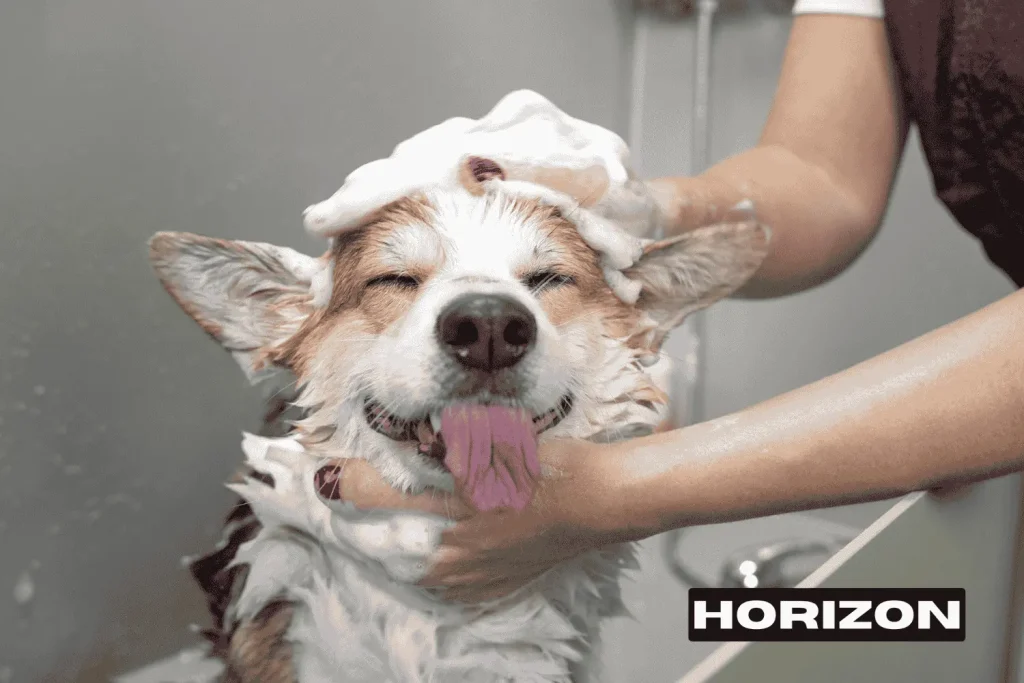
Using the right dog grooming tools makes the job easier and safer. Some tools are simple, but they can make a big difference.
Brushes
Brushes are one of the most basic grooming tools. They help remove loose hair and keep the coat smooth.
Slicker Brushes
Slicker brushes are often recommended for long-haired dogs. They can help manage tangles and remove loose fur.
Clippers and Shears
Clippers and shears are used for trimming hair, especially around paws, eyes, and other sensitive areas. These tools should be used carefully.
Grooming Kits and Supplies
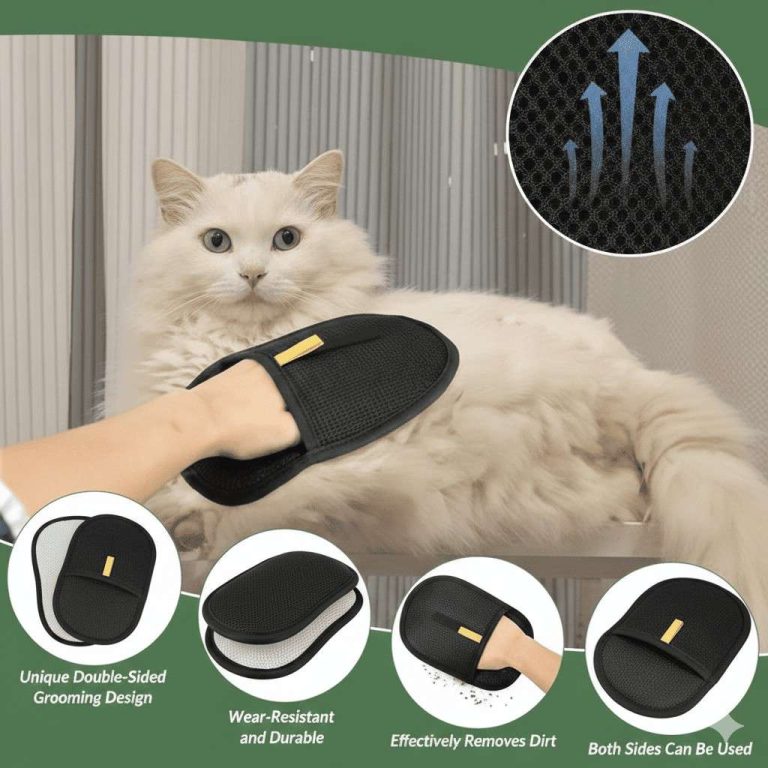
Many owners buy dog grooming kits that include brushes, nail clippers, combs, and other supplies. These kits can be helpful for people who want to do basic grooming at home.
Dog Grooming for Beginners at Home
Many pet owners are interested in dog grooming at home. This can be a good way to save money and keep up with basic maintenance between salon visits.
If you are new to grooming, start slowly. Choose a calm time and make the experience positive. Use the right tools and keep sessions short at first. Reward your dog with praise and patience.
Focus on simple tasks like brushing, wiping the coat, checking the ears, and trimming nails carefully. If you are unsure about cutting hair or working around sensitive areas, it may be safer to let a professional groomer handle it.
Professional Dog Grooming Services
Professional dog grooming services can be very helpful, especially for dogs with thick, curly, or long coats. Grooming salons often provide full services, including bathing, drying, brushing, nail trimming, ear cleaning, and haircuts.
Some salons also offer breed-specific grooming styles. These cuts are designed to match the coat type and appearance of certain breeds. Professional groomers use tools like clippers and shears and know how to work safely.
Mobile dog grooming services are also popular. In this service, a grooming van comes to your home, which can be easier for owners and less stressful for some dogs.
Dog Grooming for Puppies
Puppy grooming should begin early. Many early grooming sessions start around 10 to 12 weeks of age, or before 16 weeks. Starting young helps puppies get used to being touched, brushed, bathed, and handled.
The first grooming sessions should be gentle and simple. The goal is to help the puppy feel safe and comfortable. A puppy that learns grooming early may be easier to groom as an adult.
What Kind of Grooming Do Dogs Need?
Dogs usually need several types of grooming care. These include:
- Brushing to remove loose hair and tangles
- Bathing to clean the coat and skin
- Ear cleaning to reduce dirt buildup
- Nail trimming to keep feet comfortable
- Hair trimming for breeds that need haircuts
The exact grooming routine depends on the dog. Some breeds need more coat care, while others need only basic maintenance.
Benefits of Regular Dog Grooming
Regular dog grooming offers many clear benefits. It helps manage shedding and keeps loose hair under control. It prevents mats from forming in the coat. It can also reduce skin irritation by keeping the coat and skin clean.
Another major benefit is comfort. A clean dog with trimmed nails and a healthy coat usually feels better. Grooming also supports a fresh, neat appearance, which many owners enjoy.
Most importantly, grooming can help owners notice changes in the dog’s skin, coat, ears, or nails. This makes it easier to respond early if a problem appears.
Final Thoughts
Dog grooming is a key part of good pet care. It is not just about looks. It supports health, comfort, cleanliness, and early care. With the right routine, tools, and patience, grooming can become a normal and helpful habit.
Some dog owners prefer professional grooming salons, while others do basic grooming at home. Both options can work well. What matters most is consistency. Brushing, bathing, ear cleaning, drying, and nail trimming all play an important role in keeping a dog happy and healthy.
If you want your dog to feel clean, comfortable, and cared for, regular dog grooming is one of the best things you can do. For more helpful pet care content and quality pet products, visit Horizon Plus Trading.