A PET bottle is a container made from Polyethylene Terephthalate (PET) — a lightweight, strong, and clear type of plastic polymer.
PET is classified under resin code #1, which you will find stamped on the bottom of most bottles. This number makes sorting and recycling easier for both consumers and waste management facilities.
PET was first introduced commercially in the 1970s and has since become the dominant material for single-use and reusable plastic packaging worldwide. Today, it is found in everything from mineral water bottles and soft drink containers to salad dressing jars and pharmaceutical packaging.
Key Facts at a Glance
- #1 Resin Code — the most recognized recyclable plastic
- 75% lighter than glass — ideal for transport and on-the-go use
- 100% BPA-free — cleared by all major global food safety authorities
- 500+ billion PET bottles produced globally every year
How PET Bottles Are Made
Understanding how a PET bottle is manufactured helps you evaluate its quality and performance. The process involves precision engineering to achieve the clarity, strength, and barrier properties that make PET so reliable.
Step 1. Resin Production
PET resin pellets are produced by combining purified terephthalic acid (PTA) and monoethylene glycol (MEG) through a polymerization reaction. The resulting pellets are the raw material for all PET bottles.
Step 2. Preform Injection Molding
The resin pellets are melted and injected into a mold to form a preform — a small, test-tube-shaped piece. At this stage, the neck and threads of the bottle are already formed to precise dimensions.
Step 3. Stretch Blow Molding
The preform is reheated and placed in a blow mold. Pressurized air stretches it simultaneously in two directions — lengthwise and outward — forming the full shape of the bottle. This biaxial orientation significantly improves strength and clarity.
Step 4. Quality Inspection and Filling
Each bottle is inspected for wall thickness, clarity, barrier performance, and structural integrity before being filled, capped, labeled, and shipped.
Types of PET Bottles
Not all PET bottles are the same. They come in a wide range of shapes, sizes, and configurations designed for specific products and industries. Knowing the different types helps you select the most suitable option.
By Neck Finish
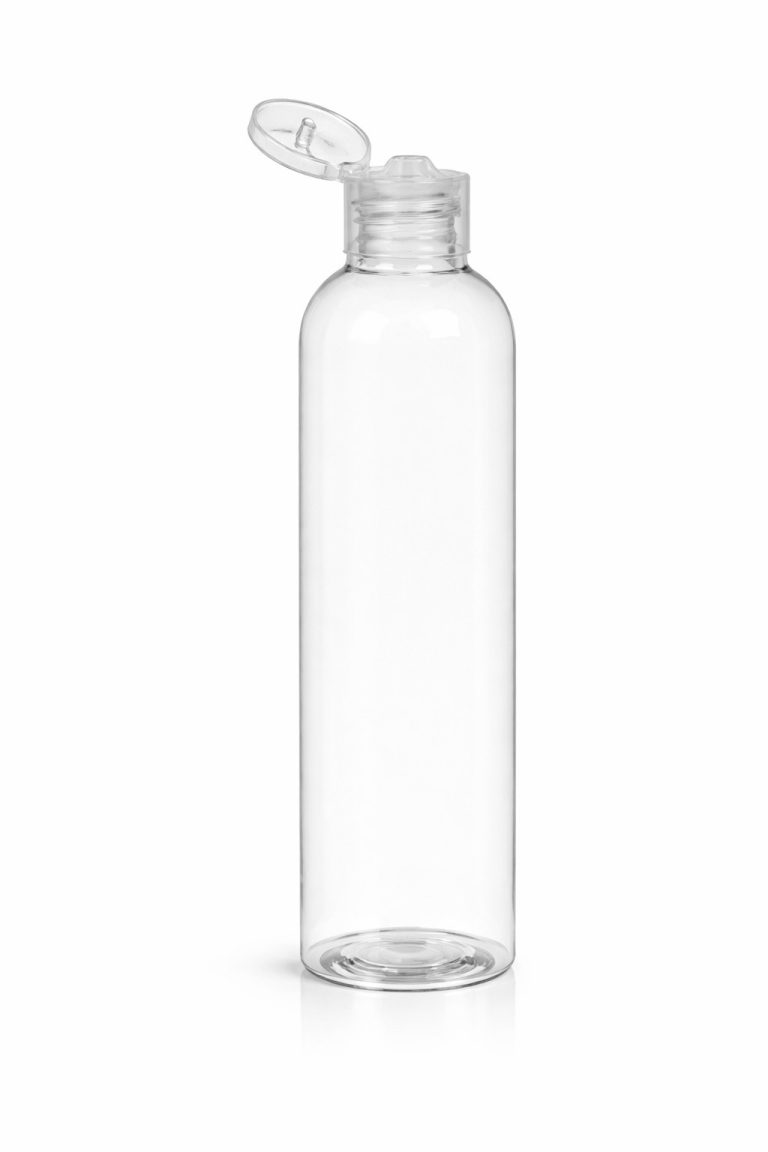
The neck finish refers to the opening diameter and thread pattern at the top of the bottle. Common standards include PCO 1881 (used widely in water and beverage bottles), 28mm, 38mm, and 48mm finishes. The neck finish must match the cap being used, so always verify compatibility before ordering.
Round PET Bottles
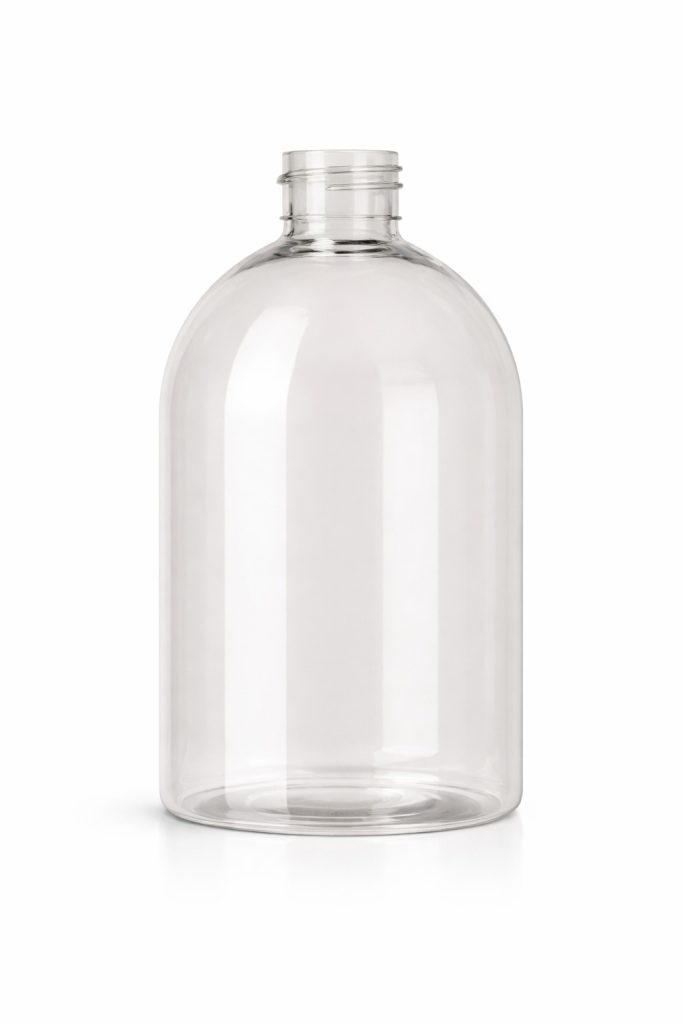
The most common shape, used for still water, carbonated soft drinks, and juices. Round bottles offer uniform wall thickness and are the most cost-effective to produce. They fit standard filling lines and stack efficiently.
Oval and Square PET Bottles
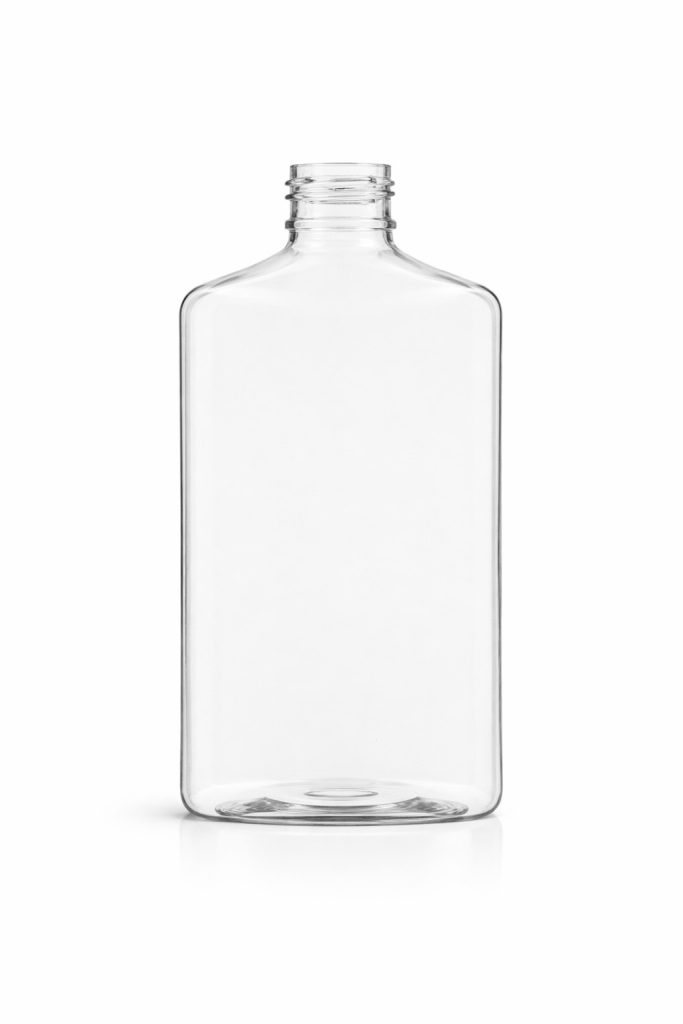
Oval and square profiles are popular for cooking oils, sauces, and condiments. They provide a larger labeling surface and a more premium shelf appearance. Square bottles are also space-efficient for packaging and logistics.
Wide-Mouth PET Bottles and Jars
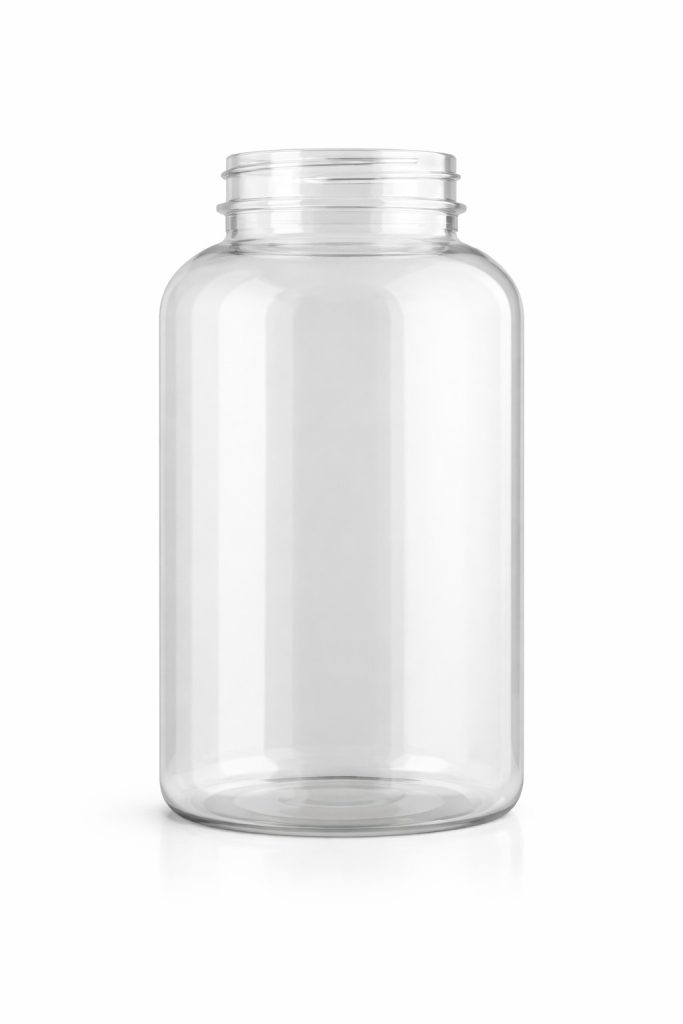
Wide-mouth PET containers are used for solid foods such as nuts, spices, protein powders, and confectionery. Their broad opening makes filling, scooping, and cleaning easy. They are increasingly used as an alternative to glass jars.
Custom-Shaped PET Bottles
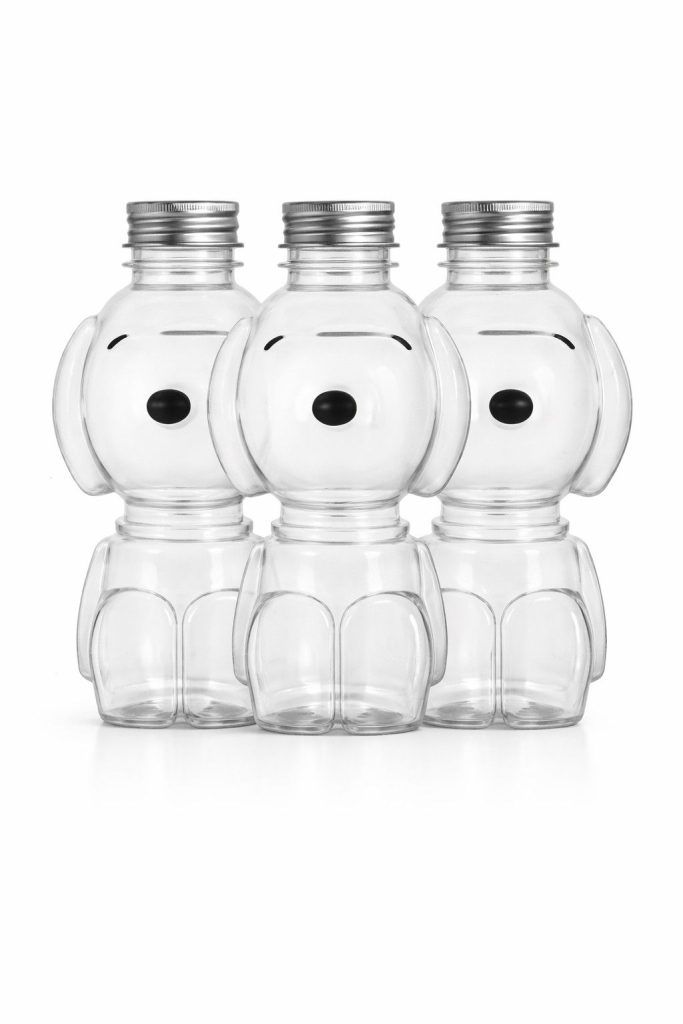
Brand owners often invest in custom bottle molds to create unique, distinctive packaging that stands out on the shelf. Custom shapes reinforce brand identity and can increase consumer recognition significantly.
Quick Comparison Table: PET vs Other Bottle Materials
Choosing the right bottle material depends on the product, budget, and sustainability goals. Here is a straightforward comparison of PET against the most commonly used alternatives.
| Feature | PET Bottle | Glass Bottle | HDPE Bottle | Aluminum Can |
| Weight | Very light | Heavy | Light | Very light |
| Clarity | Crystal clear | Clear | Opaque | Opaque |
| Shatter Resistant | Excellent | Poor | Excellent | Good |
| BPA-Free | Yes | Yes | Yes | Lined (varies) |
| Recyclability | High (#1) | High | High (#2) | Very High |
| Oxygen Barrier | Good | Excellent | Moderate | Excellent |
| Cost | Low | High | Low to Medium | Medium |
| Best For | Beverages, food, cosmetics | Wine, spirits, premium | Chemicals, dairy, household | Carbonated drinks |
What Are PET Bottles Used For?
PET bottles serve an extraordinarily broad range of industries. Their combination of clarity, strength, lightweight design, and food-safety certifications makes them the packaging material of choice for manufacturers around the world.
Beverages
The beverage industry accounts for the largest share of PET bottle consumption. Still water, sparkling water, carbonated soft drinks, fruit juices, sports drinks, and energy drinks are all widely packaged in PET.
The material’s excellent CO2 barrier keeps carbonated drinks from losing their fizz, while its transparency allows consumers to see the product clearly.
Food and Condiments
Cooking oils, vinegar, sauces, salad dressings, syrups, and honey are commonly packaged in PET. Wide-mouth PET jars are used for peanut butter, jams, dried fruits, nuts, and coffee.
PET’s strong barrier properties protect food from moisture and oxygen, extending shelf life without the need for preservatives.
Personal Care and Cosmetics
Shampoos, conditioners, body wash, lotions, and liquid soaps are frequently packaged in PET. The material is compatible with most cosmetic formulations and can be easily colored or shaped to match a brand’s visual identity.
Pharmaceuticals and Healthcare
Pharmaceutical-grade PET bottles are used to package vitamins, mineral supplements, liquid medications, and diagnostic reagents.
These bottles are manufactured under stricter purity and precision standards to meet regulatory requirements for the healthcare sector.
Household and Industrial Products
Cleaning liquids, detergents, automotive fluids, and agricultural chemicals are also packaged in PET or closely related polymer variants.
Their chemical resistance and robustness make them suitable for products that would degrade many other materials.
Are PET Bottles Safe?
Safety is one of the most frequently asked questions about plastic packaging. The short answer is yes — PET bottles are considered safe for food and beverage use under normal conditions. Here is what the evidence shows.
BPA-Free
Unlike some other plastics, PET does not contain Bisphenol-A (BPA). BPA has been associated with potential hormonal disruption in studies.
PET is produced through a different chemical pathway and has been consistently cleared of BPA-related concerns by major food safety bodies.
Also check here: Pet cushions
FDA and EFSA Approval
The U.S. Food and Drug Administration and the European Food Safety Authority have both reviewed PET extensively and approved it for direct food and beverage contact. Manufacturers must use food-grade PET resin, which undergoes strict purity testing before it reaches production.
Heat Limitations
PET has a relatively low heat tolerance compared to materials like polypropylene. Do not fill PET bottles with very hot liquids or leave them in a hot car for extended periods.
Sustained heat above approximately 60 degrees Celsius (140 degrees Fahrenheit) can begin to distort the bottle and may affect its barrier integrity.
Acetaldehyde Migration
PET can release very small amounts of acetaldehyde — a naturally occurring compound also found in fruit and alcoholic drinks — into water.
The levels found in commercially produced PET bottles are far below any threshold considered harmful and are generally imperceptible in taste.
Sustainability and Recycling of PET Bottles
The environmental impact of plastic packaging is a serious and valid concern. PET performs better than many plastics when it comes to recyclability, but responsible handling and an effective recycling infrastructure are both essential to realizing its environmental benefits.
PET Is Highly Recyclable
PET carries the #1 resin identification code, which means it is accepted by most curbside recycling programs around the world. When collected and processed correctly, PET can be recycled into new bottles — bottle-to-bottle recycling — or converted into polyester fiber used in clothing, insulation, and carpets.
What Is rPET?
Recycled PET (rPET) is PET that has been collected, cleaned, shredded into flakes, and reprocessed into pellets for remanufacturing. Many brands now use rPET in their packaging to reduce dependence on virgin plastic and lower their carbon footprint.
A bottle made with 50% rPET content uses significantly less energy and fossil fuel to produce than one made entirely from new material.
How to Dispose of PET Bottles Responsibly
- Empty the bottle completely before placing it in the recycling bin
- Remove caps if required by your local recycling program — check local guidelines
- A simple rinse is sufficient — bottles do not need to be scrubbed
- Do not crush the bottle flat if your program uses optical sorting systems
- Keep labels on — most modern recycling facilities can process them
- Never place PET bottles in general waste if a recycling option is available
Lightweighting
Leading bottle manufacturers have reduced the amount of PET resin used per bottle significantly — a practice called lightweighting.
A standard 500ml water bottle today weighs approximately 9 to 10 grams, compared to over 30 grams in the early 1990s. This reduction cuts the amount of plastic produced and lowers transport emissions considerably.
How to Choose the Right PET Bottle
Whether you are selecting a PET bottle for a product you are launching or making an informed buying decision as a consumer, the following criteria will help you evaluate your options clearly and confidently.
1. Match the Bottle to Your Product
Different products have different compatibility requirements. Carbonated beverages need PET with high CO2 barrier performance.
Hot-fill products such as juices pasteurized above 85 degrees Celsius need heat-set PET, which is engineered to withstand elevated temperatures without distorting. Cold-fill products, such as still water, can use standard PET.
2. Select the Right Size and Volume
Consider the serving occasion and your target market. Single-serve formats (250ml to 500ml) are ideal for on-the-go consumption.
Family or home-use formats (1L to 5L) reduce per-unit packaging waste and often cost less per volume. Matching bottle size to consumption habit reduces product waste and increases customer satisfaction.
3. Evaluate the Neck Finish and Cap Compatibility
A mismatched neck finish and cap is one of the most common and costly errors in bottle selection.
Verify that the neck finish standard (such as PCO 1881, 28mm, or 38mm) is compatible with the closure type you intend to use — whether a sports cap, flip-top, pump, or standard screw cap.
4. Check Wall Thickness and Drop Resistance
Thicker walls offer greater impact resistance but add weight and material cost.
For glass-replacement applications, select bottles with sufficient wall thickness for consumer handling. For lightweight water bottles, thinner walls are acceptable as the product itself provides internal pressure support.
5. Verify Food-Grade and Regulatory Compliance
Always confirm that the PET resin used meets food-grade standards relevant to your market — FDA 21 CFR in the United States, EC No. 10/2011 in the European Union, or equivalent national standards. Reputable manufacturers will provide compliance documentation on request.
6. Consider Sustainability Credentials
Ask suppliers about rPET content availability, lightweighting options, and take-back programs.
Brands that prioritize sustainable packaging increasingly see this as a competitive advantage, particularly among environmentally conscious consumers.
Frequently Asked Questions
The Bottom Line
In conclusion, the PET bottle remains one of the most practical and trusted packaging options because it is lightweight, strong, clear, and recyclable.
Whether you are buying for personal use or choosing packaging for your business, understanding key factors like product compatibility, cap fit, wall strength, food-grade quality, and sustainability can help you make a better decision.
When PET bottles are used and recycled responsibly, they support both product safety and a more sustainable packaging future.