A chameleon is an insect-eating lizard found in Africa, Madagascar, southern Europe, and parts of Asia. There are over 200 species, and they are known for their unique features.
They have eyes that move in different directions, a tail that can grip branches, special feet for climbing, and a long tongue that can shoot out quickly to catch insects. Many people love them because they can change color based on mood, temperature, and light.
However, owning a chameleon is very different from owning a dog or cat. They are best for observing, not handling, and need special care to stay healthy. In the pet world, the most common types are the Veiled Chameleon, Panther Chameleon, and Jackson’s Chameleon, and each one has different care needs and personality traits.
Is a Chameleon the Right Pet for You?
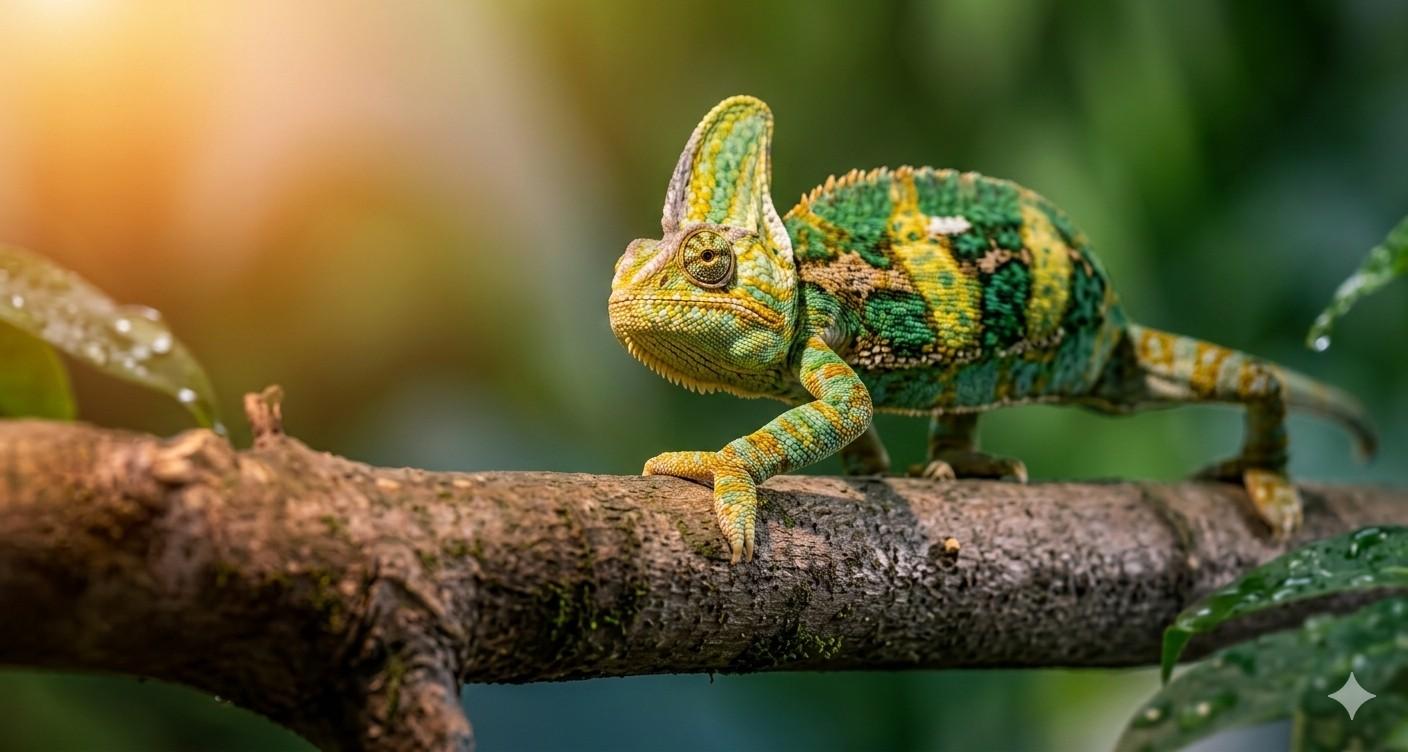
Before anything else, be honest with yourself. Chameleons are genuinely rewarding pets — but only for the right person. They demand daily attention, precise environmental conditions, and a comfort level with live insects. Here is a clear breakdown of what life with a chameleon actually looks like.
Reasons to Get a Chameleon Pet:
- Extraordinary visual display — vibrant colors, patterns, and movement
- Fascinating behavior to observe every single day
- Do not need large spaces like dogs or cats
- No loud noises or shedding fur on furniture
- Long lifespan with good care (5–10 years)
- Growing community of expert breeders with healthy captive-bred animals available
- Relatively compact footprint in your home
Reasons to Think Twice:
- Not a cuddly or hands-on pet — they are viewers, not companions
- Highly sensitive to even small environmental changes
- Require live insects every day — no way around this
- High startup and ongoing costs compared to most pets
- Not suitable for young children
- Reptile-savvy vets can be difficult to find
- Stress-prone — improper handling directly causes illness
Think of a chameleon like a living art installation. They are best suited to people who find deep satisfaction in watching a complex creature thrive in a well-designed habitat. If you expect lap-time and cuddles, a chameleon will disappoint you. If you love studying behavior, mastering an environment, and observing nature up close — a chameleon will captivate you for years.
Best Chameleon Pet Species
Not all chameleons are equal in captivity. Some species are resilient and forgiving for newer keepers; others demand expert-level precision. Here are the four most commonly kept pet chameleon species and what makes each one unique.
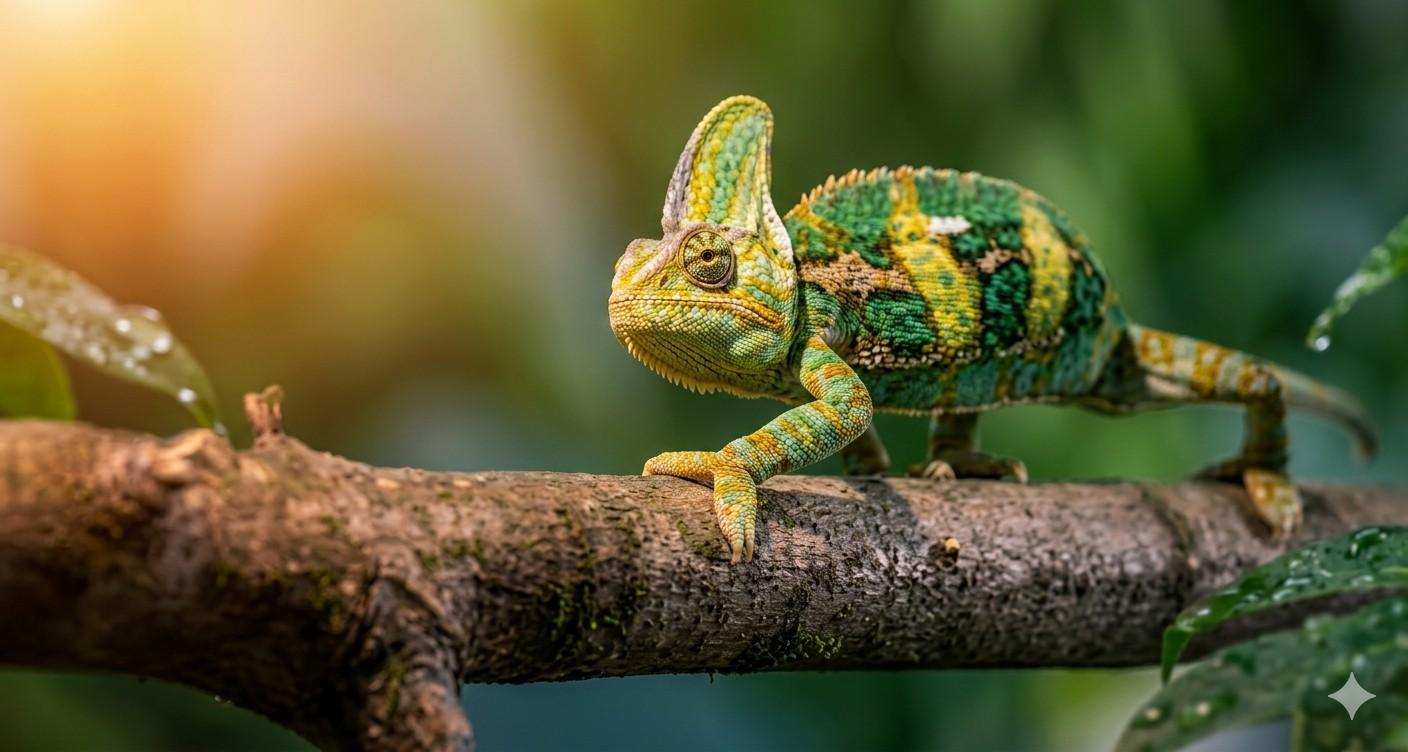
Veiled Chameleon — Best for Beginners
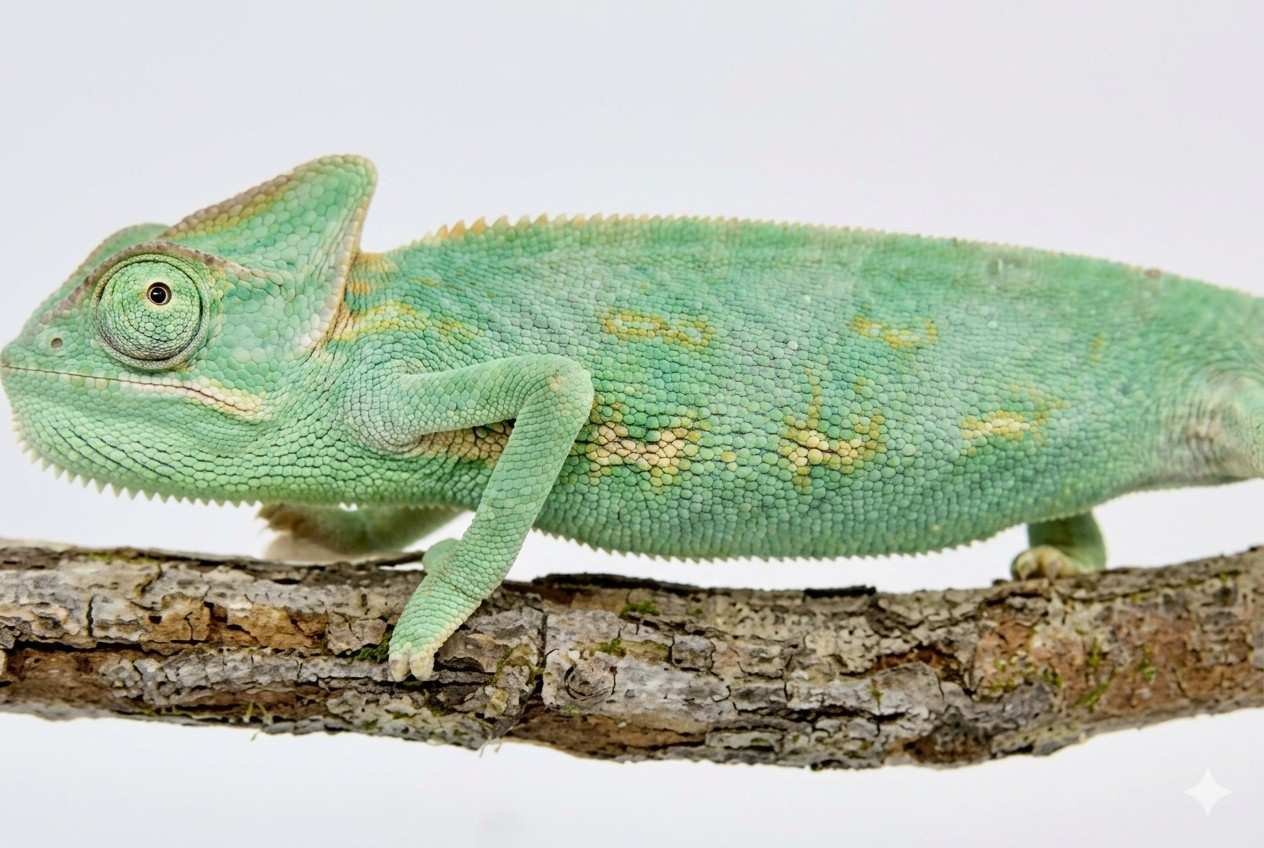
Hardy, widely available, and colorful. Males grow up to 24 inches in total length. The best starting species for most first-time chameleon keepers. Prefers warm, dry conditions. Tolerant of minor husbandry errors better than most other species.
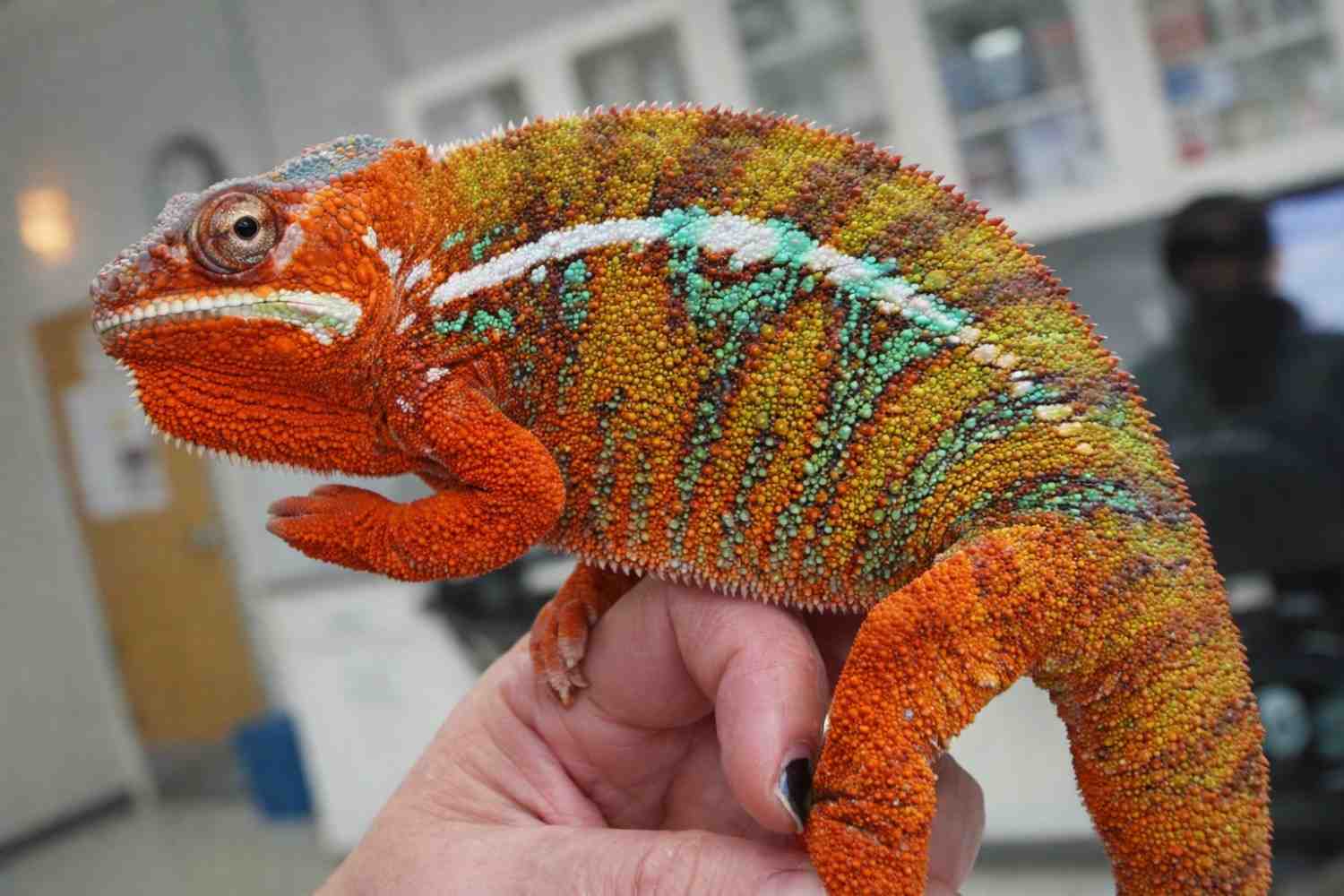
Panther Chameleon — Intermediate
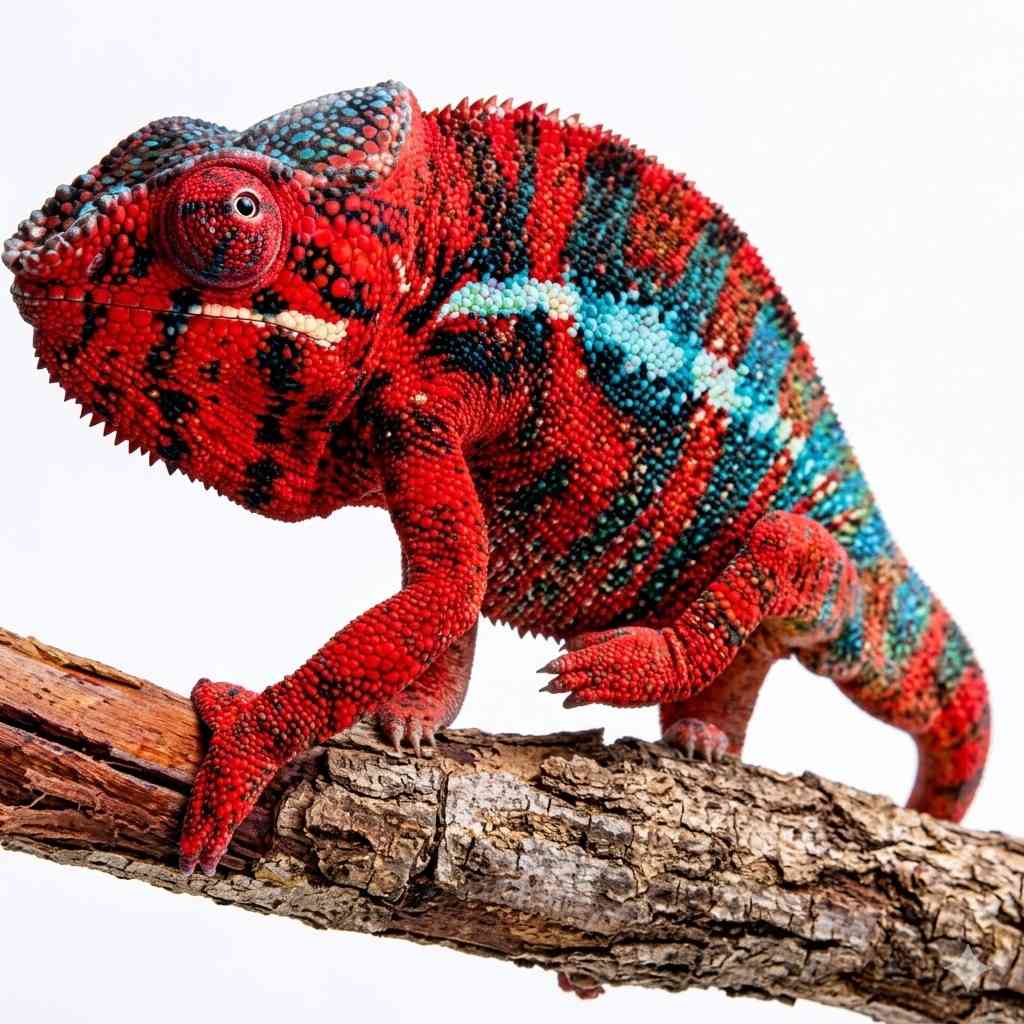
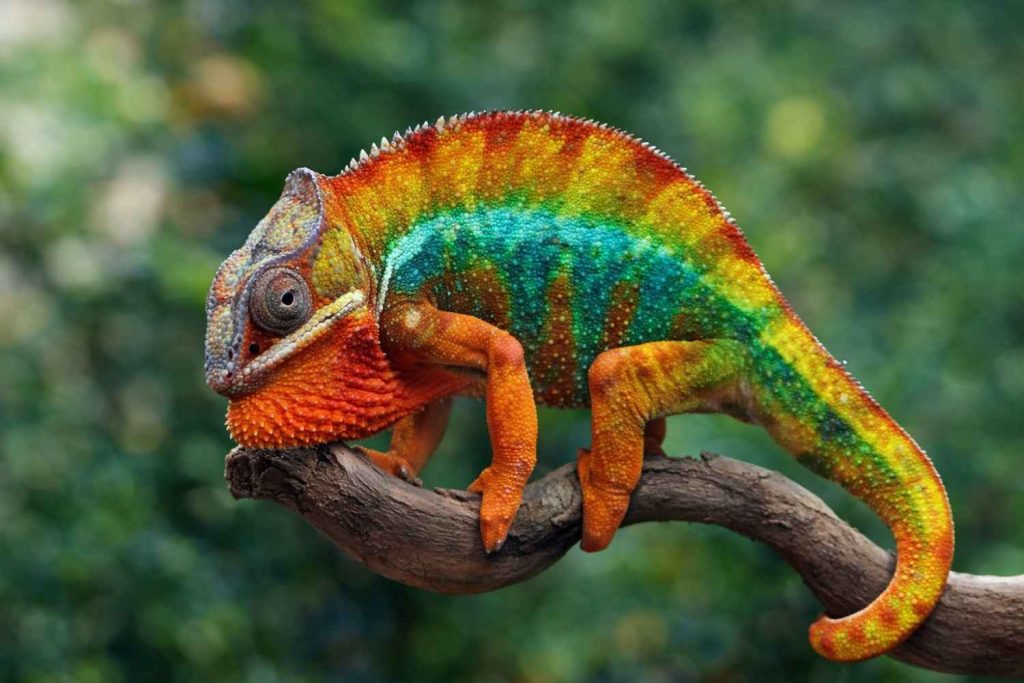
Famous for electric blue, red, and orange color morphs depending on locale. More expensive ($150–$300+), but tolerates regular handling better than most chameleons. Agile and active, so care must be taken to prevent escape or falls during handling.
Jackson’s Chameleon — Intermediate
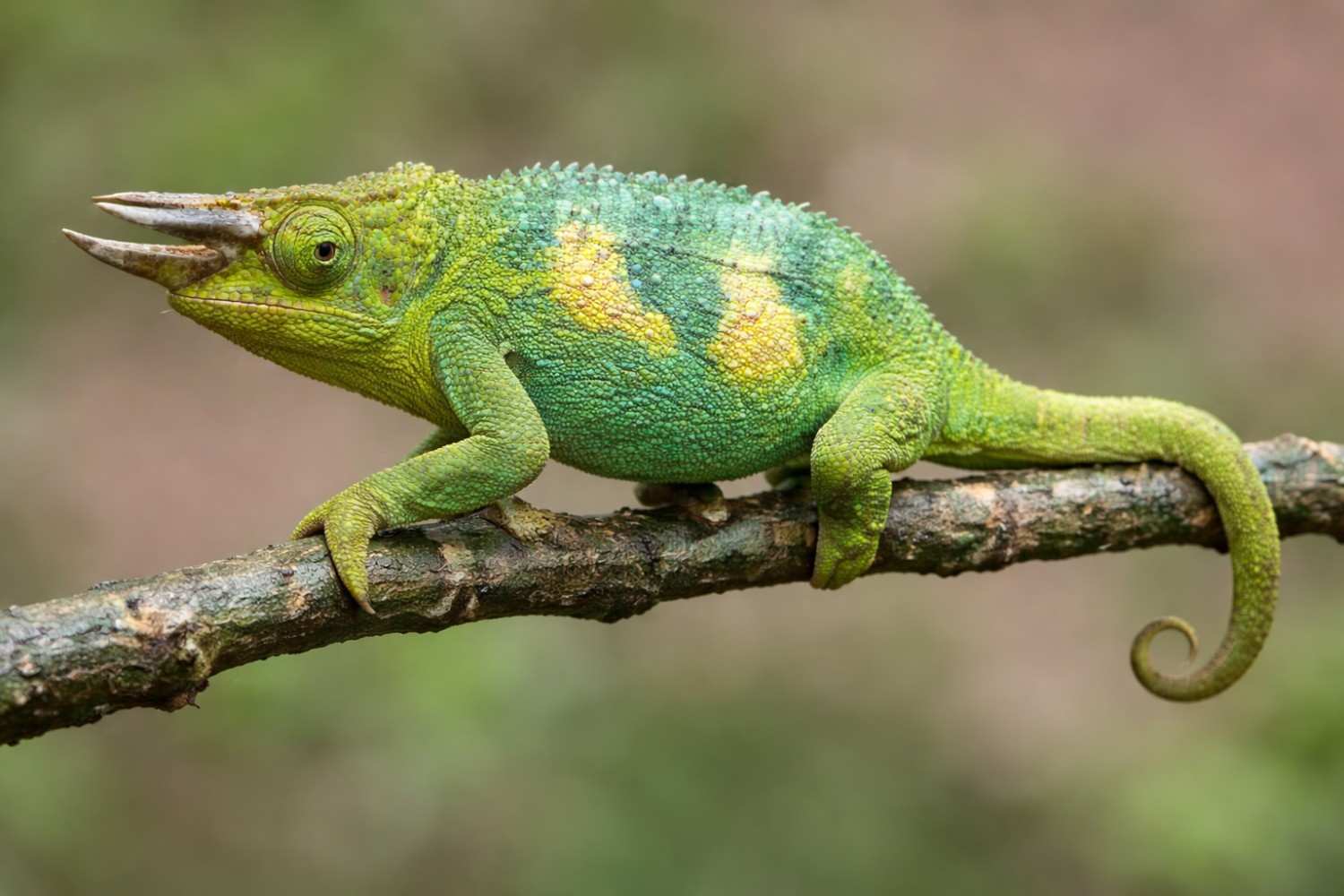
Three-horned males are instantly recognizable and make a dramatic display animal. Mid-sized at around 10 inches, generally calm and docile temperament. Prefers cooler temperatures than veiled or panther species, making them a better choice for keepers in naturally cool climates.
Four-Horned Chameleon — Advanced Keeper
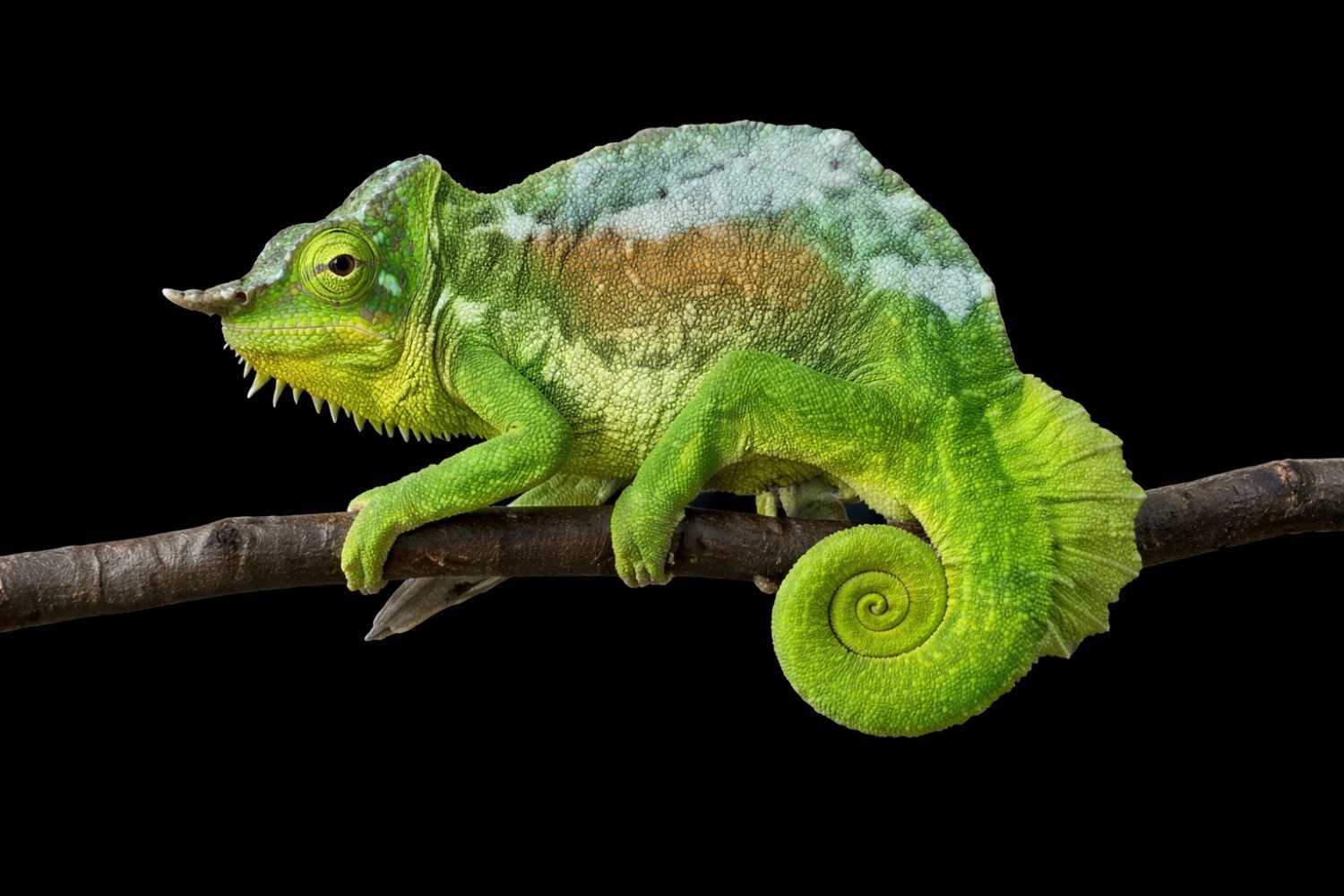
Less commonly kept in captivity, but prized among experienced keepers for their gentle and personable disposition. Can sport anywhere from 2 to 8 horns depending on individual. Requires more precise humidity and temperature control than beginner-friendly species.
Pro Tip: Always buy captive-bred chameleons from a reputable breeder. Wild-caught animals arrive severely stressed, often carry parasites, and typically die within months in captivity despite good care. Captive-bred chameleons are healthier, better adjusted to human presence, and support ethical breeding practices.
How Much Does a Pet Chameleon Cost?
Chameleons are not cheap pets. The animal itself is just the beginning. A proper setup — enclosure, lighting, live plants, misting system — represents the largest single investment. Here is a realistic cost breakdown for a beginner’s veiled chameleon setup.
| Item | Details | Cost Range |
| Chameleon (Veiled) | Captive-bred juvenile or adult | $50 – $100 |
| Chameleon (Panther) | Captive-bred, high-color morph | $150 – $300+ |
| Screened Enclosure | Min. 2’W × 2’D × 4’H for adult | $120 – $280 |
| UVB Lighting | Linear T5 HO bulb + fixture | $60 – $120 |
| Basking Bulb | Incandescent or halogen spot | $10 – $25 |
| Live Plants | Pothos, hibiscus, schefflera | $30 – $80 |
| Branches & Vines | Natural or artificial perches | $20 – $60 |
| Misting System | Automatic or hand mister | $30 – $150 |
| Drainage Tray | Prevents floor water damage | $20 – $50 |
| Supplements | Calcium + D3, multivitamin | $15 – $30 |
| Initial Feeder Insects | Crickets, roaches, hornworms | $20 – $50 |
| Estimated Total | First-year setup | $375 – $1,100 |
Monthly ongoing costs — food, supplements, replacement bulbs — typically run $50–$100 per month. Vet visits with a reptile-qualified exotic vet range from $75 to $250+ per appointment. Budget for at least one annual wellness exam.
Enclosure & Habitat Setup
Getting the enclosure right is the single most important thing you can do for your chameleon’s long-term health. A poor setup leads to chronic stress, recurring illness, and significantly shortened lifespan. A great setup creates a chameleon that is visibly thriving.
Enclosure Size and Type
Chameleons need screened enclosures — not glass aquariums. Glass traps heat, creates reflections (which stress chameleons into thinking they see a rival), and blocks the airflow these animals require. The minimum size for an adult veiled or panther chameleon is 2 feet wide × 2 feet deep × 4 feet tall. Taller is always better. Chameleons are arboreal, meaning they feel safest and most secure when elevated.
Position perches so your chameleon can sit at or above your eye level. In the wild, many species perch 7 or more feet off the ground as a natural defense behavior. Giving them height reduces visible stress significantly.
Plants and Perching
Live plants serve multiple functions inside a chameleon enclosure. They contribute to ambient humidity, provide shelter and security, and give the chameleon surface area to drink from when water droplets collect on leaves. Safe plant choices include pothos, hibiscus, schefflera, and grape ivy. Always choose plants free of pesticides and toxic compounds.
Arrange branches on both horizontal and vertical planes at multiple heights. This allows your chameleon to thermoregulate naturally by moving between warmer zones near the basking light and cooler zones lower in the enclosure.
Important Warning: Do not use glass aquariums for chameleons under any circumstances. They prevent proper airflow, cause dangerous heat buildup, and the reflections trigger chronic stress that weakens the immune system and shortens lifespan.
Substrate
Most experienced keepers use a bare-bottom enclosure with a drainage tray, or a fully bioactive substrate setup with a living drainage layer. Avoid loose sand or wood chips that chameleons can accidentally ingest while hunting prey insects.
Lighting & Temperature
Chameleons have two critical lighting requirements: a basking spot for heat and a UVB source for metabolic health. Getting either wrong leads to metabolic bone disease (MBD) — one of the most common and entirely preventable causes of chameleon illness in captivity.
UVB Lighting
A linear T5 HO UVB bulb at 10.0 strength is non-negotiable for veiled and panther chameleons. UVB light enables your chameleon to synthesize Vitamin D3, which in turn allows the body to absorb calcium properly.
Without adequate UVB, bones soften over time, limbs deform, and the animal’s overall health deteriorates rapidly. Replace UVB bulbs every 6 months even if they still produce visible light — the UV output degrades long before the visible light does.
Temperature Gradient
Your enclosure needs a temperature gradient so the chameleon can self-regulate throughout the day. Target a basking zone of 85–95°F at the top, ambient mid-enclosure temperatures of 72–80°F, and a cooler zone of 65–72°F at the bottom.
Nighttime temperatures can safely drop to 60–65°F, which actually benefits most species. Never use heat rocks or under-tank heaters — chameleons do not warm themselves from below.
Outdoor Time Bonus: If you live in a warm climate, supervised outdoor sessions in natural, unfiltered sunlight are highly beneficial. Even 30 minutes of natural sunlight provides more beneficial UV exposure than most artificial lighting setups can replicate.
Feeding Your Chameleon
Cavan Images / Cavan via Getty Images
Chameleons are insectivores. Their entire diet in captivity should consist of live insects — never dead or frozen ones. The movement of live prey triggers the chameleon’s feeding response. An animal that will not chase will often ignore a stationary insect completely.
What to Feed
- Crickets — the most accessible and widely available staple feeder. Gut-load for 24 hours before offering.
- Dubia Roaches — higher in protein and nutrition than crickets, less odor, and cannot climb smooth surfaces making them easier to manage.
- Hornworms — high in moisture content, excellent for hydration. Best used as a regular treat rather than a daily staple.
- Silkworms — excellent nutritional profile, soft-bodied, and easy for chameleons to digest.
- Waxworms and Superworms — high in fat content; occasional treat only, not a dietary staple.
Gut-Loading and Dusting
Every insect should be gut-loaded — fed a nutritious diet of leafy greens, squash, and commercial gut-load formula — for at least 24 hours before being offered to your chameleon. This ensures the insect’s nutritional content transfers directly to your chameleon when eaten.
Additionally, lightly dust insects with supplements before every feeding. Use plain calcium powder (without D3) most days, and a calcium plus D3 formula two to three times per week. A complete reptile multivitamin supplement should be used once every one to two weeks.
Feeding Frequency by Age
- Juveniles (under 6 months): Feed daily — 10 to 15 small insects per session
- Sub-adults (6–12 months): Every other day — 8 to 12 insects per session
- Adults (1+ year): Every other day to 3 times per week — 6 to 10 insects per session
Water & Humidity
This is where many new chameleon owners struggle the most. Chameleons do not drink from a standing water bowl. In the wild, they drink water droplets that collect on leaves after rain or morning dew. You must recreate this behavior in captivity every single day.
Misting Schedule
Mist the enclosure 2 to 3 times daily, with the heaviest misting session in the morning. Each session should last 2 to 3 minutes, thoroughly wetting the leaves, branches, and enclosure walls. Your chameleon will drink directly from the droplets as they form. The afternoon misting should allow the enclosure to partially dry before nighttime — a consistently wet enclosure that never dries out promotes respiratory infections.
Humidity Levels
Target 50–70% ambient humidity for most species. Jackson’s chameleons prefer slightly higher humidity at 60–80%. A digital hygrometer placed at mid-enclosure height is the only reliable way to know your actual humidity levels.
Signs of Dehydration
Watch for these warning signs: sunken or dull-looking eyes, yellow or orange-tinted urine (healthy urine is white), lethargy, and loss of normal skin color or texture. Increase misting frequency immediately if you notice any of these and consult a vet if they persist beyond 24 hours.
Handling Your Chameleon
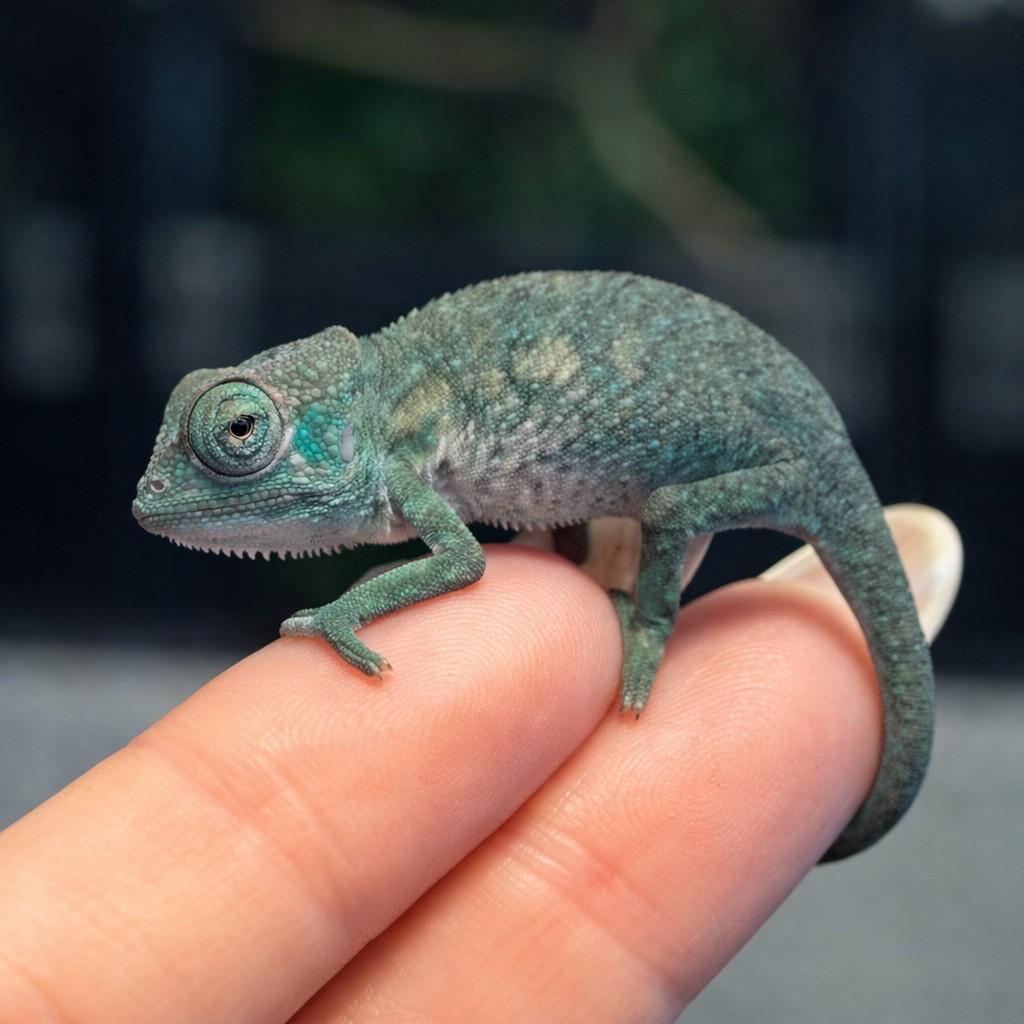
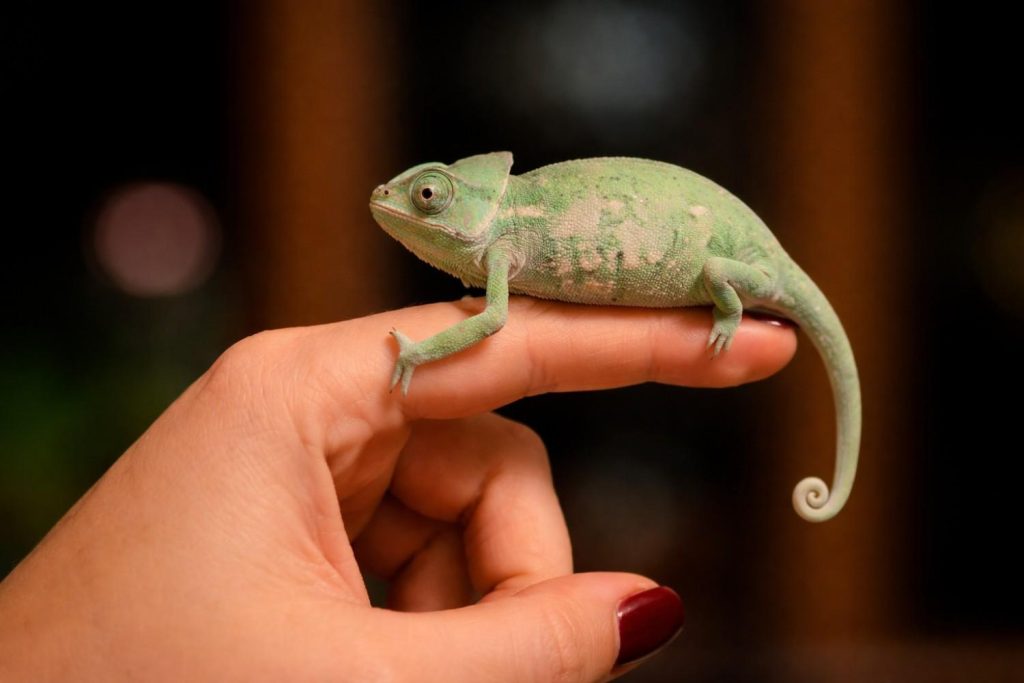
Chameleons are not social animals by nature. They do not seek interaction with humans the way dogs or even some lizard species do. Handling causes cortisol (stress hormone) spikes, particularly in younger animals. That said, a well-socialized adult chameleon — especially a panther or veiled — can become surprisingly tolerant and will often walk voluntarily onto an outstretched hand.
How to Handle Safely
- Wait until your chameleon is at least 5 to 6 inches long before attempting regular handling sessions.
- Never reach from above — this mimics a predator attack and triggers an extreme stress response.
- Instead, hold your hand in front of the chameleon and allow it to walk onto you at its own pace.
- Never pull a chameleon off a branch. Gently disengage each claw one at a time to avoid injury.
- Never pick up or hold by the tail — this causes serious physical harm.
- Keep early sessions short: 5 to 10 minutes, a few times per week at most, building gradually over weeks.
Salmonella Safety: All reptiles, including visibly healthy chameleons, may carry Salmonella. Always wash hands thoroughly with soap and water after any handling or enclosure maintenance. Children under 5, elderly individuals, and immunocompromised people should take extra precautions.
Reading Body Language
A calm, content chameleon displays neutral or bright colors, moves slowly and deliberately, and maintains a normal feeding schedule. A stressed chameleon will darken significantly, puff up its body, gape its mouth open, hiss, or rock side to side. Dark coloration during handling is a clear signal to return the animal to its enclosure immediately.
Common Health Problems in Pet Chameleons
Chameleons hide illness well — by the time visible symptoms appear, the problem is often already advanced. This makes preventive care and daily observation essential. Here are the health issues you are most likely to encounter as a chameleon owner.
Metabolic Bone Disease (MBD) Caused by calcium deficiency, usually resulting from insufficient UVB lighting or improper supplementation. Signs include trembling limbs, inability to support body weight, swollen or deformed limbs, and jaw abnormalities. Fully preventable with correct UVB exposure and consistent calcium dusting routines.
Respiratory Infection Results from excessive humidity with no drying period, cold temperatures, or exposure to drafts. Signs include open-mouth breathing, audible wheezing, and mucus around the mouth or nostrils. Requires a vet visit and antibiotic treatment. Preventable with proper airflow and a misting schedule that allows partial drying.
Dehydration One of the most common problems in captive chameleons. Signs include sunken eyes, orange or yellow urine, lethargy, and wrinkled skin. Increase misting frequency immediately. Consult a vet if symptoms do not improve within 24 hours.
Parasites Wild-caught chameleons almost always carry internal parasites. Even captive-bred animals can acquire them. A fecal exam from an exotic vet will confirm whether your chameleon has a parasitic load requiring treatment.
Egg Retention (Females Only) Female chameleons — even those never exposed to a male — produce infertile eggs. Without a proper egg-laying site (a container of moist sand or soil at least 12 inches deep), a female can become egg-bound, which is life-threatening. Always provide a dedicated laying bin for any female chameleon in your care.
Vet Tip: Find a reptile or exotic animal vet before you actually need one. Schedule a new-pet wellness exam within 30 days of bringing your chameleon home. Many serious health issues caught early are fully treatable.
Where to Buy a Pet Chameleon
Where you buy your chameleon matters enormously for its long-term health and your experience as a keeper.
Reputable Breeders — Best Option Buy directly from a specialized reptile breeder whenever possible. Reputable breeders provide lineage information, feeding records, health history, and ongoing keeper support. Look for breeders with verifiable reviews, active presence in reptile communities, and full transparency about their husbandry methods.
Reptile Expos Regional reptile expos are excellent places to buy directly from breeders, see multiple animals in person before making a decision, and compare prices side by side. You can inspect the animal’s body condition, eye clarity, and behavior directly before purchasing.
Pet Stores — Use Caution Chain pet stores often stock chameleons in poor conditions with incorrect husbandry. If buying from a pet store, inspect carefully: eyes should be bright and alert with no sunken appearance, the animal should maintain a healthy body weight with no visible spine or hip bones, and the enclosure should include functional UVB lighting and live feeder insects.
Starter Shopping Checklist
Before your chameleon arrives, make sure you have everything below ready:
- Screen enclosure (minimum 24″ × 24″ × 48″ for adults)
- Linear T5 HO UVB bulb (10.0 strength) plus fixture
- Basking bulb (75W incandescent or halogen)
- Digital thermometer and hygrometer combo
- Automatic misting system or large hand mister
- Drainage tray or bioactive drainage layer
- Live pothos plants (non-toxic, humidity-boosting)
- Natural branches and artificial vines at multiple heights
- Calcium supplement without D3 (for daily use)
- Calcium plus D3 supplement (for 2–3× per week use)
- Reptile multivitamin (for 1–2× per month use)
- Gut-load formula for feeder insects
- Starting supply of crickets or dubia roaches
- Egg-laying bin filled with moist sand (for female chameleons)
Daily, Weekly & Monthly Care Schedule
Daily Tasks
- Mist enclosure 2 to 3 times. Heaviest session in the morning.
- Offer gut-loaded, calcium-dusted insects appropriate for your chameleon’s age.
- Check basking spot temperature and ambient humidity with thermometer and hygrometer.
- Observe your chameleon for signs of stress, illness, or unusual behavior.
- Remove any uneaten insects from the enclosure before lights out. Loose crickets stress chameleons and can bite them while sleeping.
Weekly Tasks
- Spot-clean the enclosure: remove waste, wipe walls, clean branches.
- Refresh gut-load food for your feeder insect colony.
- Trim or replace live plants as needed.
- Check misting system for clogs or mineral buildup.
Monthly Tasks
- Full enclosure deep clean with reptile-safe disinfectant.
- Weigh your chameleon to track health and body condition over time.
- Inspect UVB bulb output — replace every 6 months regardless of visible light.
Annual Tasks
- Wellness exam with a reptile-qualified exotic veterinarian.
- Fecal parasite test.
- Full review of lighting, supplementation, and enclosure setup.