The Turkish Angora Cat is one of the most graceful and intelligent cat breeds in the world. Known for its silky coat, athletic body, and affectionate nature, this breed is considered a national treasure in Turkey.
Turkish Angora Cats have won the hearts of cat lovers worldwide because they combine beauty with an engaging personality.Whether you are thinking about adopting a Turkish cat or simply want to learn more about the breed, this guide covers everything you need to know.
What Is a Turkish Angora Cat?
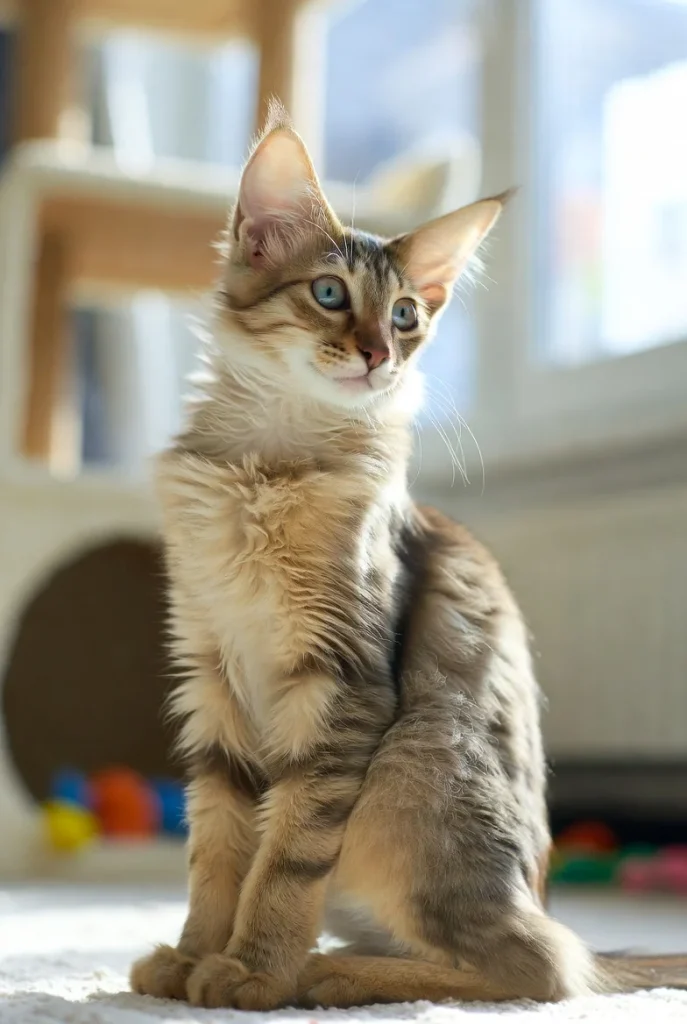
The Turkish Angora is a natural long-haired cat breed that originated in Ankara, Turkey, which was once called Angora. It is believed to be one of the oldest long-haired cat breeds and may have played a role in the development of breeds such as the Persian.
Despite their elegant and slim appearance, Turkish Angoras are strong, muscular, and highly active cats. They should never look weak or underweight.
Unique Characteristics of the Turkish Angora
Turkish Angoras stand out because of their mix of physical beauty and lively personality. They have fine bones but a muscular build, large pointed ears, and slightly slanted eyes that give them a sharp and alert look.
Their most noticeable feature is their soft, silky coat. Unlike many long-haired breeds, they do not have a thick undercoat, which helps reduce matting. In addition to their looks, Turkish Angora kitten are playful, curious, and form strong emotional bonds with their families.
History and Origin of the Turkish Angora
The Turkish Angora is one of the oldest recorded cat breeds. It developed naturally in the cold mountain regions of central Turkey, where its long coat provided warmth during harsh winters. For centuries, these cats were highly valued in their homeland.
In the early 1900s, the breed became rare, even in Turkey. To protect it, the Ankara Zoo began a breeding program, mainly focusing on white Turkish Angoras with blue or amber eyes. Thanks to these efforts and the work of breeders worldwide, the breed survived and was officially recognized by major cat associations in the 1970s.
Appearance and Physical Traits
Coat Colors and Patterns
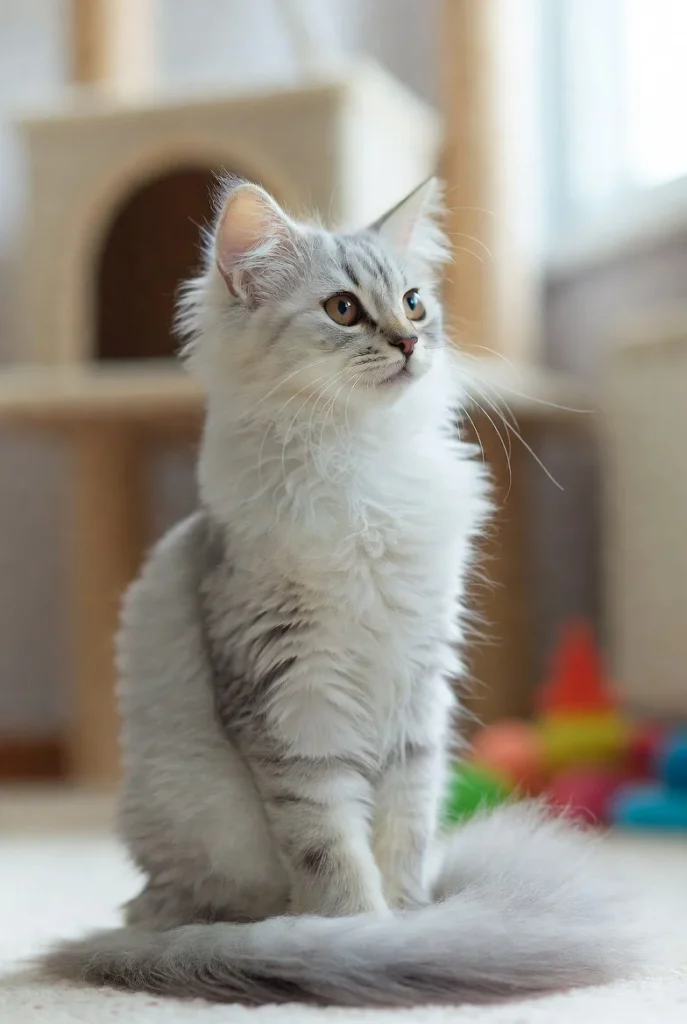
Although white Turkish Angoras are the most famous, the breed comes in many colors and patterns, including:
- Solid colors such as white, black, blue, cream, and red
- Tabby patterns, including classic, mackerel, and spotted
- Bicolor combinations with white
- Tortoiseshell and calico patterns
White Turkish Angoras with odd-colored eyes (one blue and one amber or green) are especially popular.
Size and Weight
Turkish Angoras are medium-sized cats with a slim and elegant shape.
- Males usually weigh 7–10 pounds
- Females usually weigh 5–8 pounds
They may look delicate, but they are strong, agile, and excellent jumpers.
Eye Color and Shape
Their eyes are large, almond-shaped, and slightly slanted. Common eye colors include:
- Blue
- Green
- Gold or amber
- Odd-eyed (two different colors)
Odd-eyed Turkish Angoras are highly valued by breed enthusiasts.
Physical Traits Table
| Physical Trait | Description |
| Weight (Male) | 7–10 pounds |
| Weight (Female) | 5–8 pounds |
| Coat Length | Medium to long |
| Coat Texture | Soft and silky |
| Coat Colors | White, black, blue, red, cream, tabby, calico |
| Eye Colors | Blue, green, amber, odd-eyed |
| Body Type | Slender, muscular |
| Ears | Large, pointed, high-set |
Personality and Temperament
Playful and Energetic
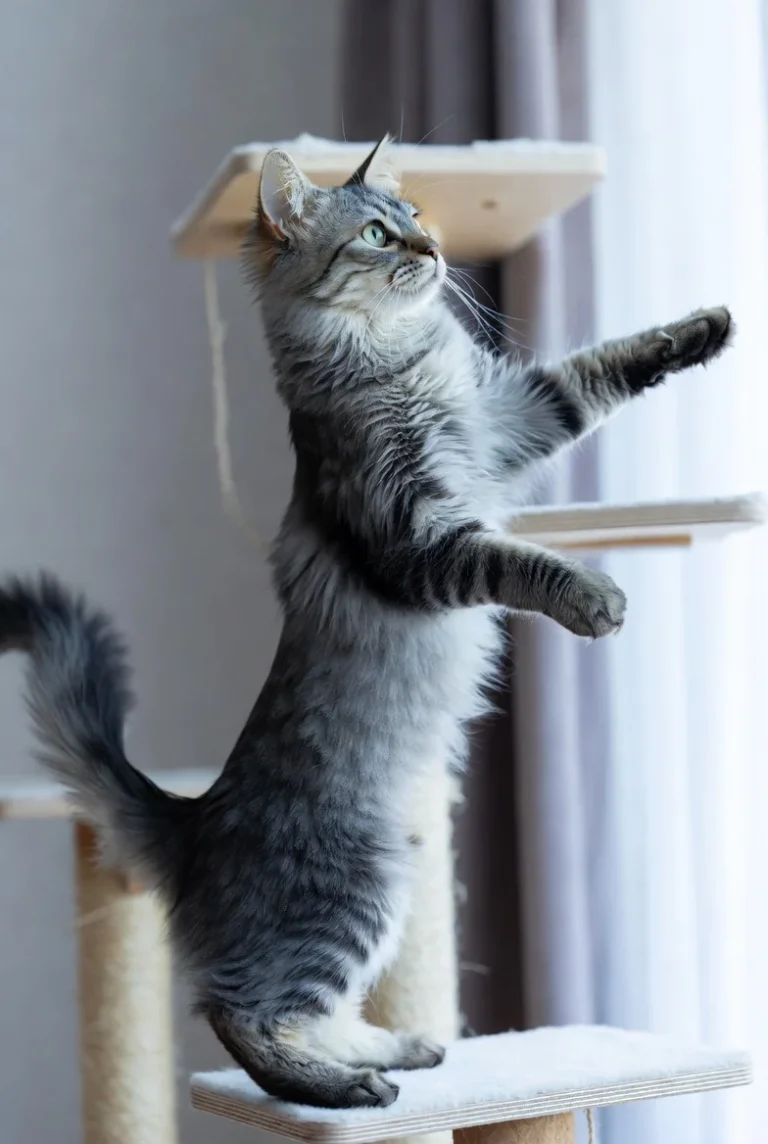
Turkish Angora Cats are very energetic and playful. They enjoy interactive games, chasing toys, learning to fetch, and because of their athletic nature, love climbing, jumping, and resting in high places.
Intelligent and Curious
This breed is known for high intelligence. Turkish Angoras are curious and like to explore their surroundings. Many can learn tricks, open doors, or figure out puzzles. Because of their intelligence, they need mental stimulation to avoid boredom and mischief.
Affectionate and Social
Turkish Angoras form deep bonds with their owners. They often follow their favorite person around the house and enjoy being involved in daily activities. They are moderately vocal and communicate with soft meows and chirps. While they may choose one main person, they are usually affectionate with the entire family.
How to Care for a Turkish Angora Cat
Grooming
Despite their long fur, Turkish Angoras are fairly easy to groom:
- Brush 2–3 times a week
- Brush more often during shedding seasons
- Bathe only when needed
- Trim nails every 2–3 weeks
- Clean ears weekly
- Brush teeth regularly
Nutrition
A healthy diet helps maintain their coat and overall health:
- Choose high-quality cat food with real meat
- Feed age-appropriate food
- Control portion sizes
- Provide fresh water at all times
- Include some wet food for hydration
- Limit treats to avoid weight gain
Exercise and Mental Stimulation
To stay healthy, Turkish Angoras need daily activity:
- Tall cat trees for climbing
- Interactive and puzzle toys
- Regular playtime with owners
- Vertical spaces to explore
Health Care
Turkish Angoras are generally healthy, but preventive care is important:
- Annual vet visits
- Up-to-date vaccinations
- Flea and tick prevention
- Watch for genetic health issues
- Spay or neuter unless breeding responsibly
Turkish Angora Cat Price and Where to Find One
turkish angora price
- Pet-quality kittens: $500–$1,200
- Show-quality cats: $1,500–$2,500 or more
- Adoption fees: $50–$200
Remember to budget for food, litter, and veterinary care.
Where to Find a Turkish Angora
- Reputable breeders registered with CFA or TICA
- Breed-specific or general rescue groups
- Local animal shelters and adoption events
Avoid sellers who cannot provide health records or allow visits.
Are Turkish Angora Cats Good Pets?
They are ideal for:
✅ Active families
✅ People who work from home
✅ Homes with older children
✅ Families with other pets
They may not suit:
❌ People away from home most of the day
❌Those wanting a quiet lap cat
Common Health Issues
Some inherited conditions include:
- Hypertrophic Cardiomyopathy (HCM) – a heart condition
- Hereditary ataxia – affects balance (rare)
- Congenital deafness, especially in white cats
With good care, Turkish Angoras usually live 12–18 years, and sometimes longer.
Final Thoughts
The Turkish Angora is a beautiful mix of elegance, intelligence, and affection. These cats are playful, loyal, and deeply connected to their families. While they require attention, mental stimulation, and regular care, they reward owners with love and companionship.
If you are ready for an active and intelligent cat, the Turkish Angora can be a wonderful long-term companion. With proper care, this ancient and graceful breed will bring joy and beauty into your life for many years to come.