The right travel bag can make or break your trip. A bag that does not fit in the overhead bin, cannot handle the weight of your gear, or falls apart after two flights turns a great journey into a stressful one.
Whether you are packing for a weekend getaway, a two-week international trip, or a daily business commute, choosing the correct travel bag matters more than most travelers realize.
This guide covers every type of travel bag on the market today. We explain what sets each category apart, what features actually matter, how to match a bag to your travel style, and which brands and models consistently earn the highest marks. By the end, you will know exactly which travel bag is right for you.
Types of Travel Bags: What Are Your Options?
Before buying any travel bag, you need to understand the main categories. Each type serves a different purpose, and the wrong choice can limit how and where you travel.
1. Rolling Carry-On Luggage
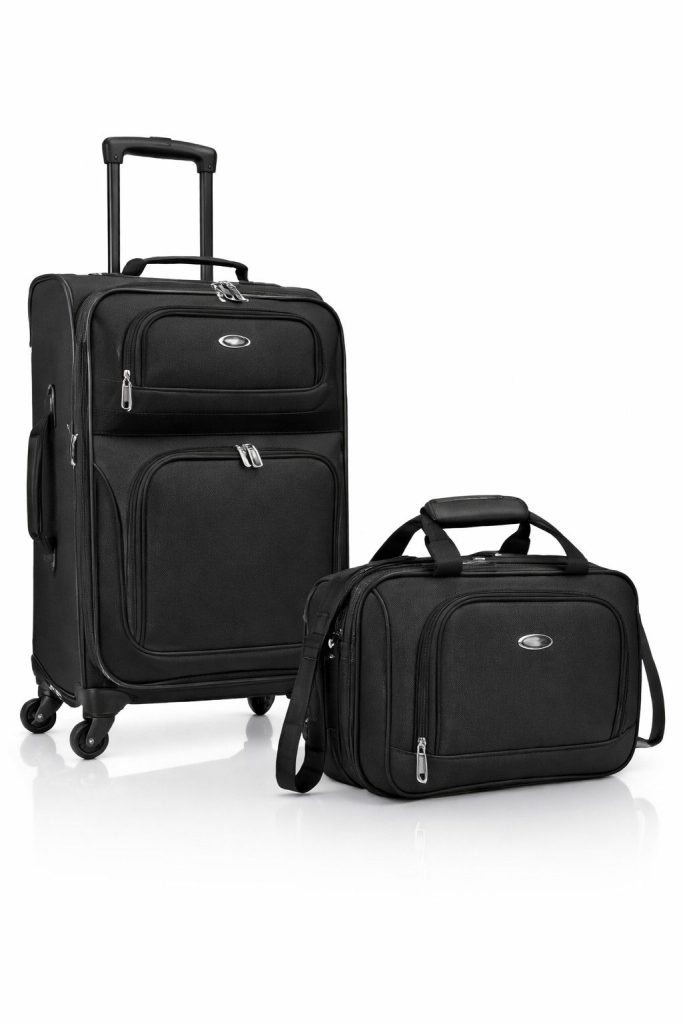
Rolling carry-on bags are the most widely used travel bags for air travel. They sit in the overhead bin on most commercial flights, which means you skip checked baggage fees and the wait at baggage claim.
Most carry-on bags measure 22 x 14 x 9 inches, which is the standard size for major U.S. airlines. International carriers often apply stricter limits, so if you fly globally, a slightly smaller bag may save you from gate-check frustration.
Best for: Frequent flyers, business travelers, trips up to 7 to 10 days
2. Checked Luggage
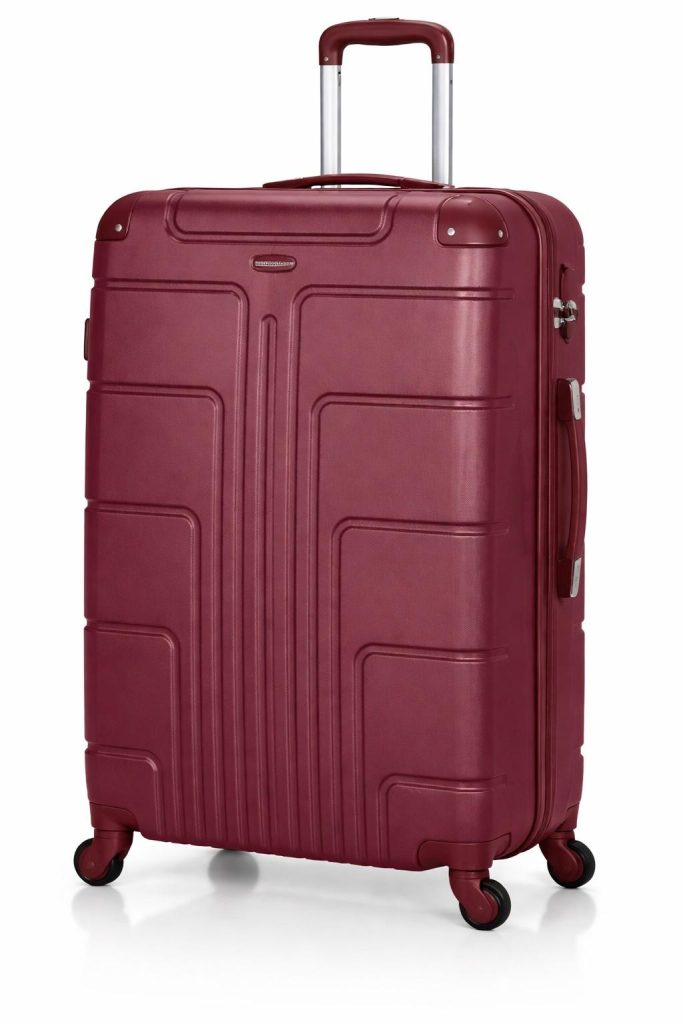
Checked luggage refers to bags that go into the cargo hold of the plane. These bags are larger, typically ranging from 25 to 32 inches, and they give you far more packing capacity than a carry-on. Checked bags come in hard-shell and soft-shell versions. Hard-shell cases protect fragile items better, while soft-shell bags compress more easily and tend to weigh less empty.
Best for: Family vacations, long trips, travelers who need to bring extra gear or gifts
3. Travel Backpacks
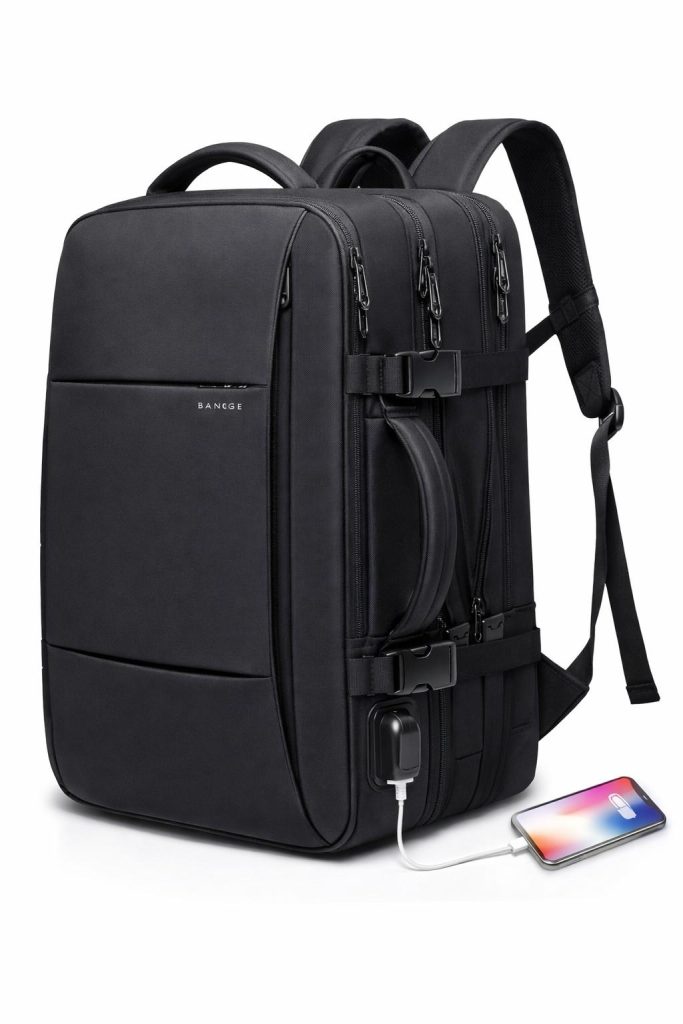
Travel backpacks are designed specifically for travelers, not hikers. They open like a suitcase, lay flat for easy packing, and include laptop compartments and organizational pockets built for airport life. Good travel backpacks also include stowable shoulder straps, which lets you store the straps inside the bag when going through check-in or security. Most sit between 30 and 45 liters in capacity, which lands them firmly in carry-on territory.
Best for: One-bag travelers, backpackers, digital nomads, adventure travel
Also read here : Reusable bags
4. Duffel Bags
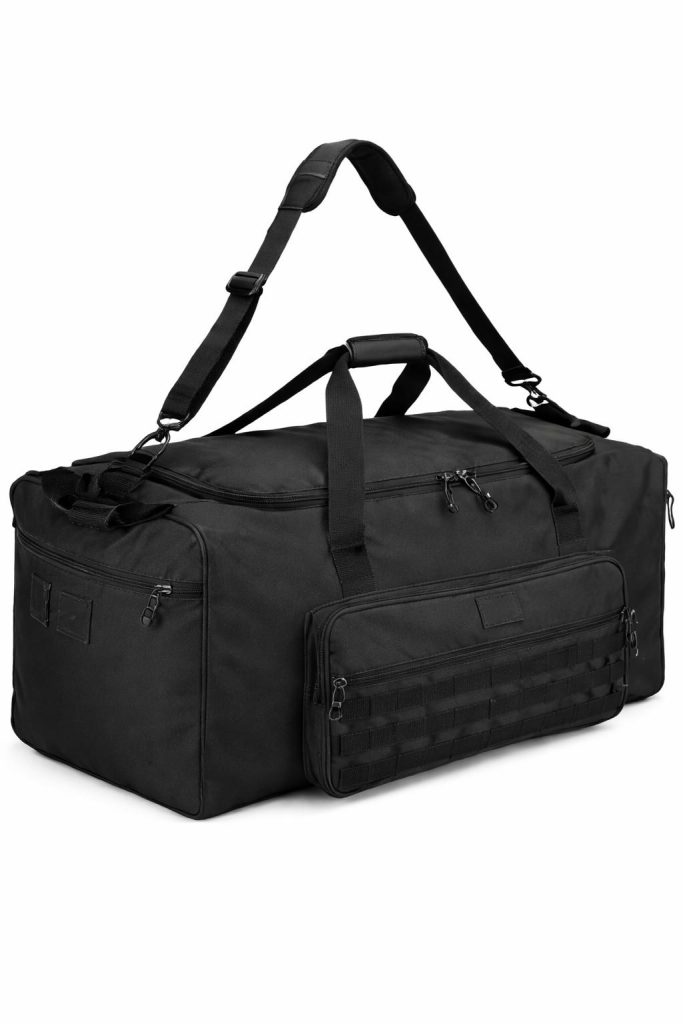
Duffel bags are soft-sided bags that offer maximum packing flexibility. Unlike rigid suitcases, duffels compress and expand around your gear, making it easier to stuff into tight spaces. Many high-quality duffels include backpack straps so you can carry them on your back when needed.
They are a popular choice for weekend trips, gym travel, and adventure sports because they are lightweight and do not have the same shape restrictions as hard-sided luggage.
Best for: Weekend trips, adventure travel, gym bags, secondary checked bags
5. Personal Item Bags
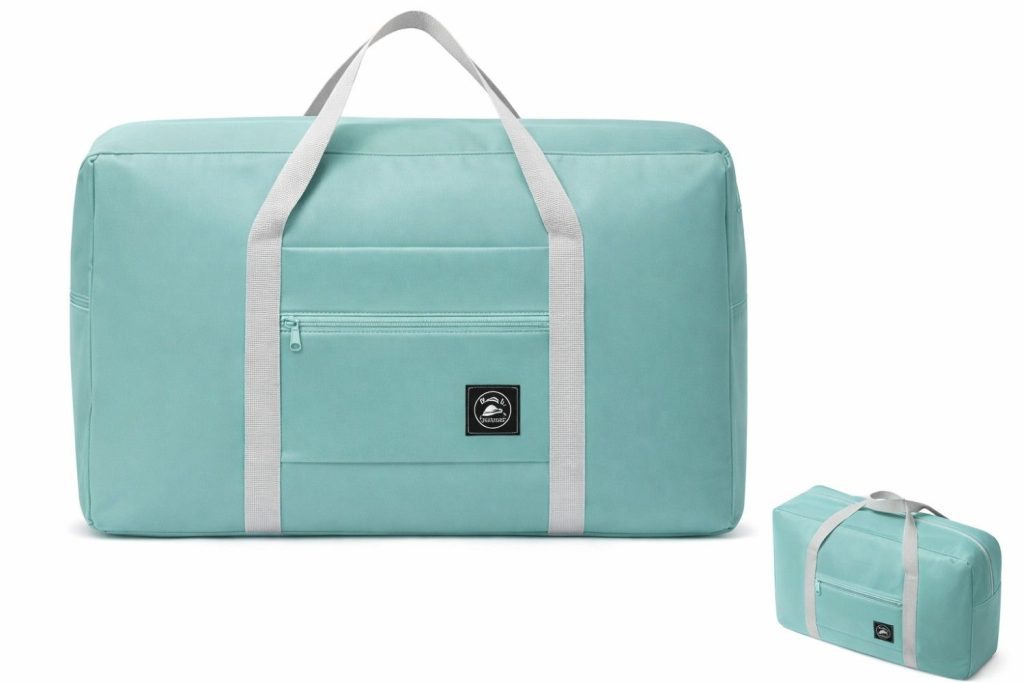
A personal item is the smaller bag you place under the seat in front of you on a flight. Most airlines allow one personal item in addition to your carry-on. Personal item bags include tote bags, small backpacks, sling bags, and crossbody bags.
Getting a personal item that maximizes the under-seat space airlines allow is a smart move for day trips, electronics access, and keeping essentials within reach during a flight.
Best for: Daily essentials, laptop access, pairing with a larger carry-on
6. Weekender and Overnight Bags
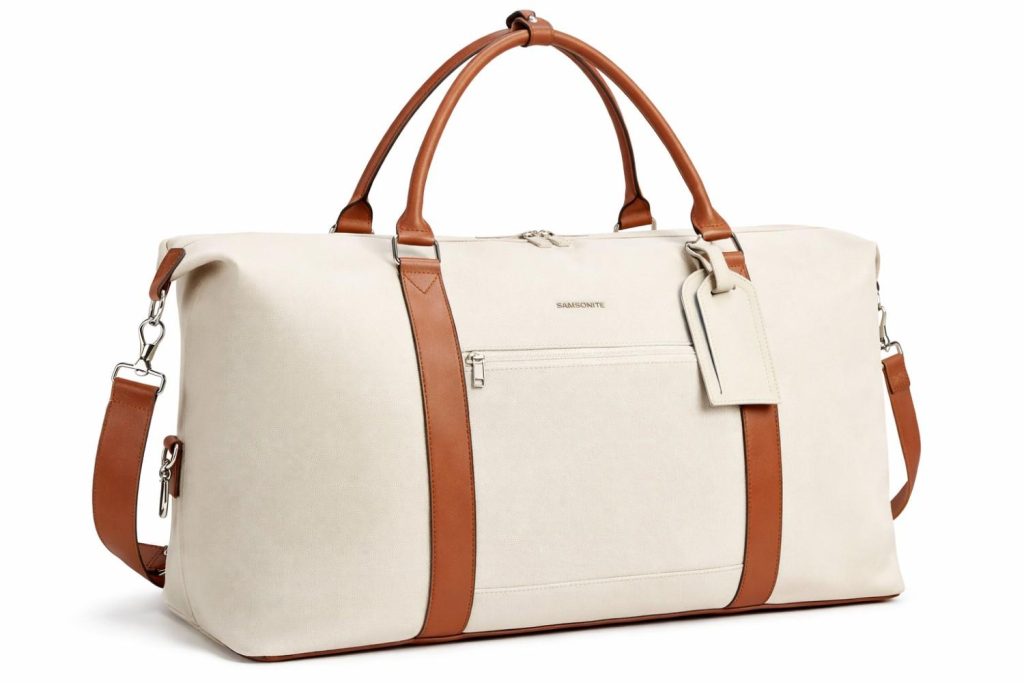
Weekender bags sit between a small duffel and a carry-on. They hold one to three days worth of clothing and essentials, making them ideal for short trips when you do not want to deal with a full-size suitcase.
Many weekender bags feature a shoe compartment, a top carry handle, and a detachable shoulder strap. They are also popular as hospital bags, gym bags, and on-call travel bags.
Best for: Overnight trips, weekend getaways, road trips
How to Choose the Right Travel Bag: 7 Key Factors
With dozens of bag types, brands, and price points available, choosing the right travel bag comes down to matching the bag to your specific needs. Here are the seven factors that matter most.
1. Trip Length and Frequency
Short trips require less capacity. A 20 to 30-liter bag works well for weekend travel, while international trips lasting two weeks or more typically require a checked bag or a large carry-on.
If you travel more than six times a year, invest in a durable, higher-quality bag. Frequent travel puts real stress on zippers, wheels, and handles, and a cheap bag will fail faster than you expect.
2. Carry-On vs. Checked
Deciding whether to bring a carry-on or checked bag affects your budget, your arrival time, and how you pack. Carry-on bags save you checked baggage fees, which can range from $35 to $75 per bag per flight on domestic U.S. carriers.
However, they limit your packing volume. If you are traveling with gear that exceeds carry-on limits or flying with items that cannot go through security, checking a bag is unavoidable.
3. Hard Shell vs. Soft Shell
Hard-shell bags protect fragile electronics, souvenirs, and other breakable items better than soft-shell bags. They also resist water better. However, they weigh more and cannot be compressed to fit into tight overhead compartments. Soft-shell bags weigh less, flex more easily, and often have external pockets that give you faster access to frequently used items. For most travelers, a soft-shell bag is the more practical choice.
4. Wheels and Carry Style
Four-wheel spinner luggage rolls in any direction and is easier to maneuver in airports. Two-wheel rollers are better on uneven terrain and are lighter.
Travel backpacks and duffels give you maximum flexibility on cobblestone streets, bus terminals, and outdoor settings where wheels are useless. Think about where you will actually be going, not just the airport.
5. Weight of the Empty Bag
Airlines impose strict weight limits for both carry-on and checked bags. A heavy empty bag leaves you less room for your actual belongings.
The lighter the bag, the more you can pack without penalties. For carry-on bags, aim for a bag that weighs under 7 pounds empty. For checked bags, look for models under 9 to 10 pounds. For travel backpacks, anything under 3 pounds is excellent.
6. Organization and Pockets
Good organization saves time and reduces stress at security checkpoints and hotel rooms. Look for bags with dedicated laptop sleeves, compression straps, and separate shoe compartments.
Clamshell opening designs, which allow the bag to lay flat like a suitcase, make packing and unpacking far easier than bags with single-zip access. Internal dividers and mesh pockets also help you keep categories of items separated.
7. Durability and Warranty
The materials used in a travel bag determine how long it lasts. Look for ballistic nylon, Cordura, or high-denier polyester in the body of the bag. YKK zippers are the industry standard for quality.
Quality brands stand behind their products with generous warranties. Travelpro and Briggs and Riley offer limited lifetime warranties on their bags, which reflects the confidence those brands have in their build quality.
Travel Bag Types: Quick Comparison
| Bag Type | Best For | Typical Capacity | Price Range |
| Rolling Carry-On | Air travel, business trips | 35 to 45 liters | $80 to $500+ |
| Checked Luggage | Long trips, families | 60 to 120 liters | $100 to $600+ |
| Travel Backpack | One-bag travel, nomads | 30 to 45 liters | $100 to $350 |
| Duffel Bag | Weekend trips, adventures | 30 to 80 liters | $50 to $300 |
| Personal Item Bag | Daily use, under-seat | 15 to 25 liters | $30 to $200 |
| Weekender Bag | Short trips, overnight | 25 to 40 liters | $50 to $250 |
Best Travel Bags by Category in 2026
Below are the top travel bags across each category, selected based on build quality, user feedback, airline compatibility, and long-term durability. These bags represent the best options at various price points.
Best Rolling Carry-On: Travelpro Platinum Elite 21-inch
The Travelpro Platinum Elite has been a top-rated carry-on for years, and for good reason. It features a MagnaTrac spinner wheel system that uses embedded magnets to keep each wheel self-aligned as you roll.
The ballistic nylon shell is dense and highly resistant to abrasion. A pre-wired USB port on the exterior lets you connect a power bank and charge devices on the move without opening the bag. The interior includes a compression system that holds clothes in place and prevents the bag from feeling sloppy when it is not completely full. Flight attendants and airline crews use Travelpro luggage regularly, which speaks to its real-world durability under heavy use.
Price: Approximately $390 | Warranty: Limited lifetime
Best Hard-Shell Carry-On: Away The Carry-On
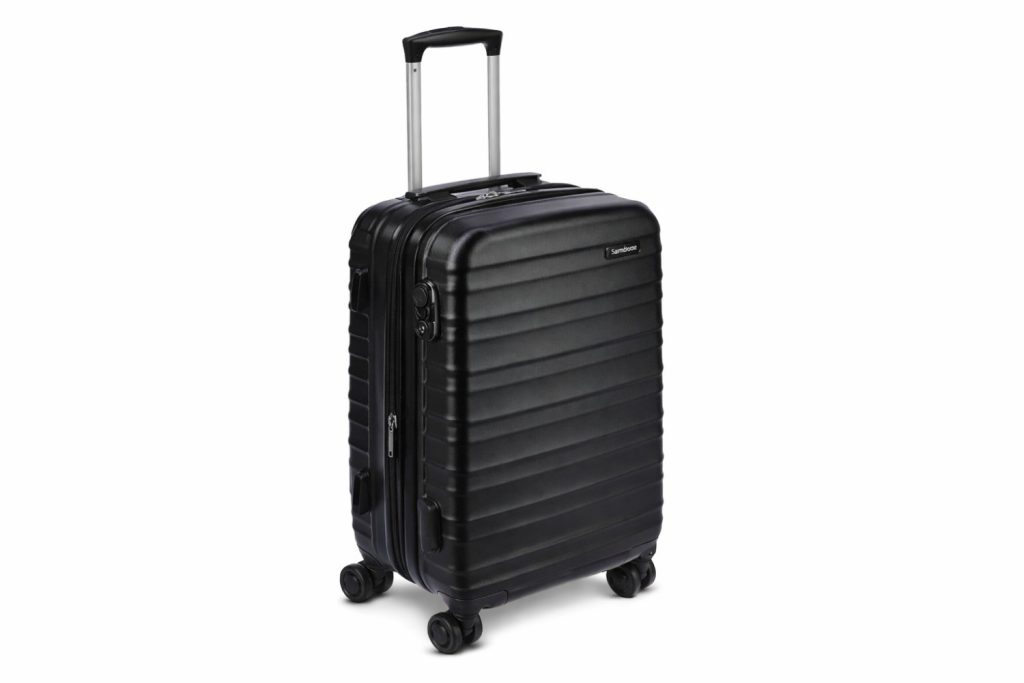
Away The Carry-On is one of the most recognizable names in modern travel bags, and it earns that reputation through thoughtful design. The hard-shell polycarbonate case opens clamshell-style and includes an efficient compression panel on one side and a zipper compartment on the other.
The interior keeps clothing organized and prevents spillage when you open the bag. The bag is also compatible with international size restrictions, which makes it a strong choice for global travelers. It comes in a wide range of colors, which makes it easier to spot on a luggage carousel.
Price: Approximately $275 | Warranty: Limited lifetime
Best Budget Luggage: Samsonite Freeform Spinner
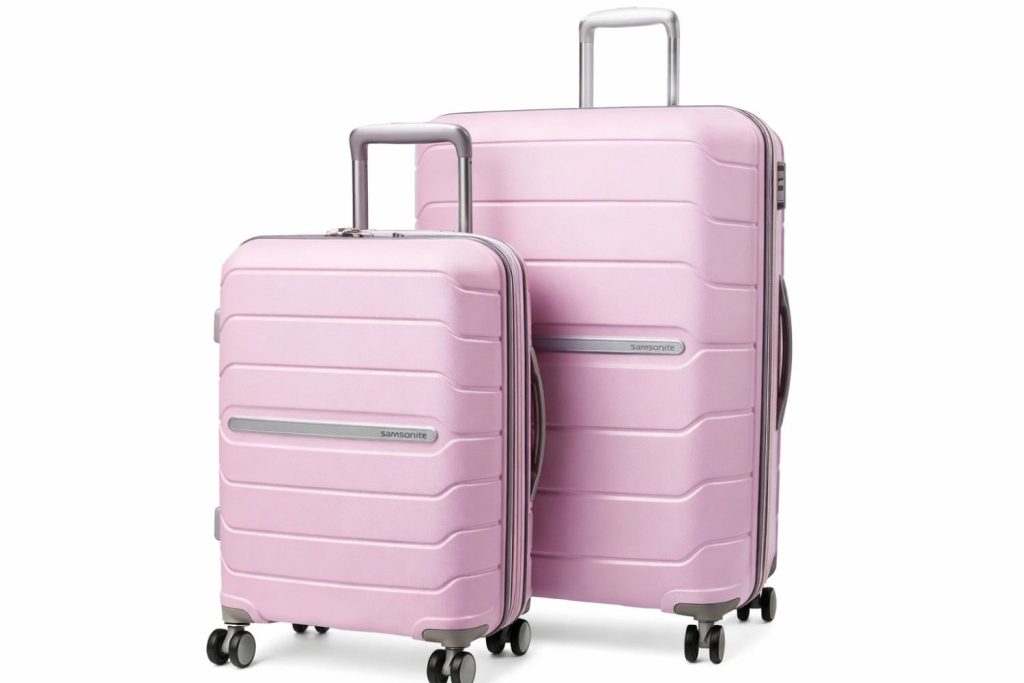
The Samsonite Freeform Spinner delivers reliable performance at a price that does not require a major investment. The polypropylene hard shell handles normal airport wear well, and the bag offers 112 liters of storage in its larger size.
It is one of the lighter checked bags in its class, which helps you stay under airline weight limits. The interior organization is minimal, so you will benefit from packing cubes or compression bags to keep gear sorted. For travelers who need a solid everyday checked bag without a premium price tag, the Freeform Spinner is the right choice.
Price: Approximately $200 | Warranty: 10 years
Best Travel Backpack: Cotopaxi Allpa 35L
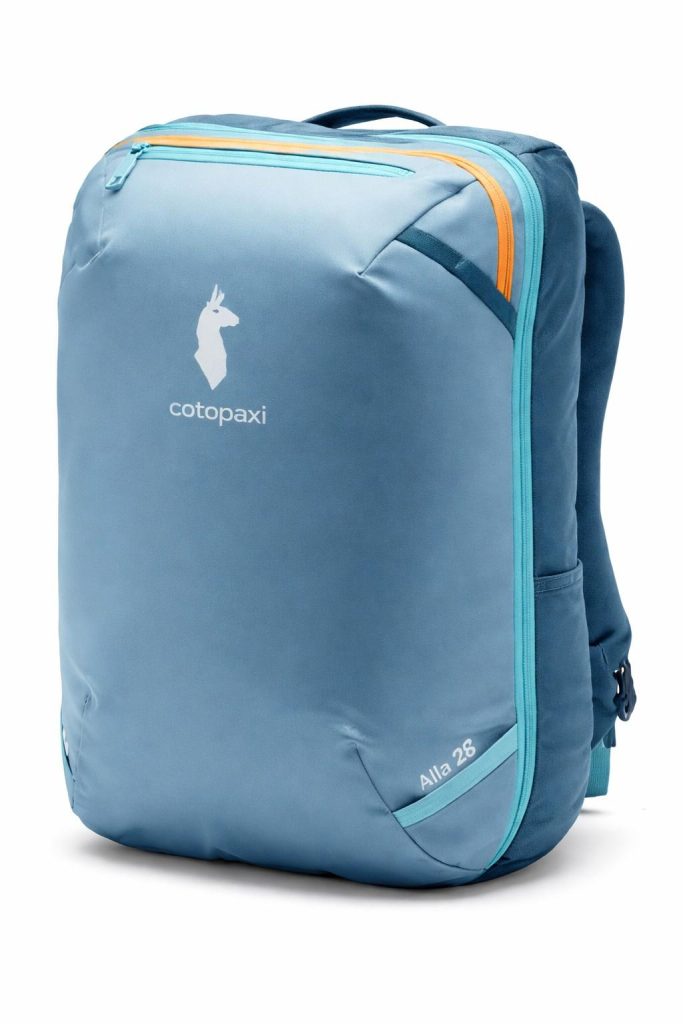
The Cotopaxi Allpa 35L is built specifically for one-bag travelers who want all the benefits of a travel backpack without sacrificing organization. It opens like a suitcase, lays flat, and offers a well-structured interior with compression straps and organizational pockets for clothes, shoes, and accessories.
The shoulder straps are padded and shaped for comfort, making it a realistic choice for long airport walks and city exploration. At 35 liters, it fits within most airlines’ carry-on limits. It is well-organized, carry-on friendly, and comfortable enough for full-day use.
Price: Approximately $230 | Warranty: Lifetime guarantee
Best Duffel Bag for Travel: Patagonia Black Hole Duffel
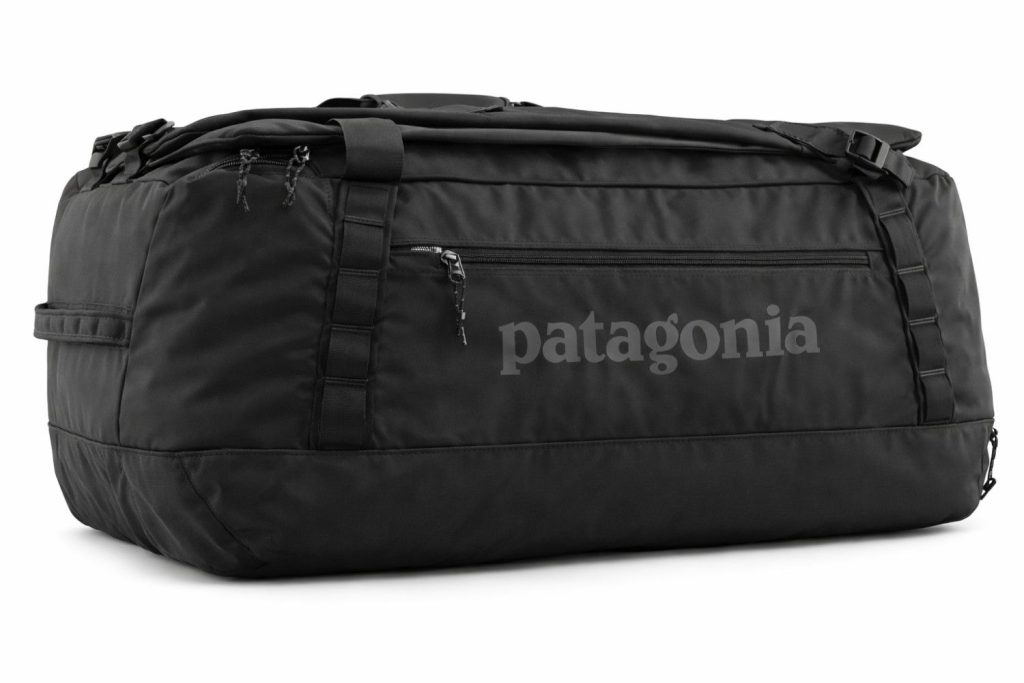
The Patagonia Black Hole Duffel is the gold standard in travel duffel bags. The body is made from 100 percent recycled fabric that is highly weather-resistant and extremely durable.
The bag holds more than its exterior suggests, and the large main compartment gives you a clear view of all your gear when the bag is open. It comes with tuck-away backpack straps, which lets you convert the duffel into a backpack when needed. The Black Hole comes in a wide range of sizes from 25 liters to 100 liters, making it useful for everything from day trips to extended adventure travel.
Price: Approximately $169 to $250 depending on size | Warranty: Ironclad Guarantee
Best Personal Item: Timbuk2 Authority Deluxe
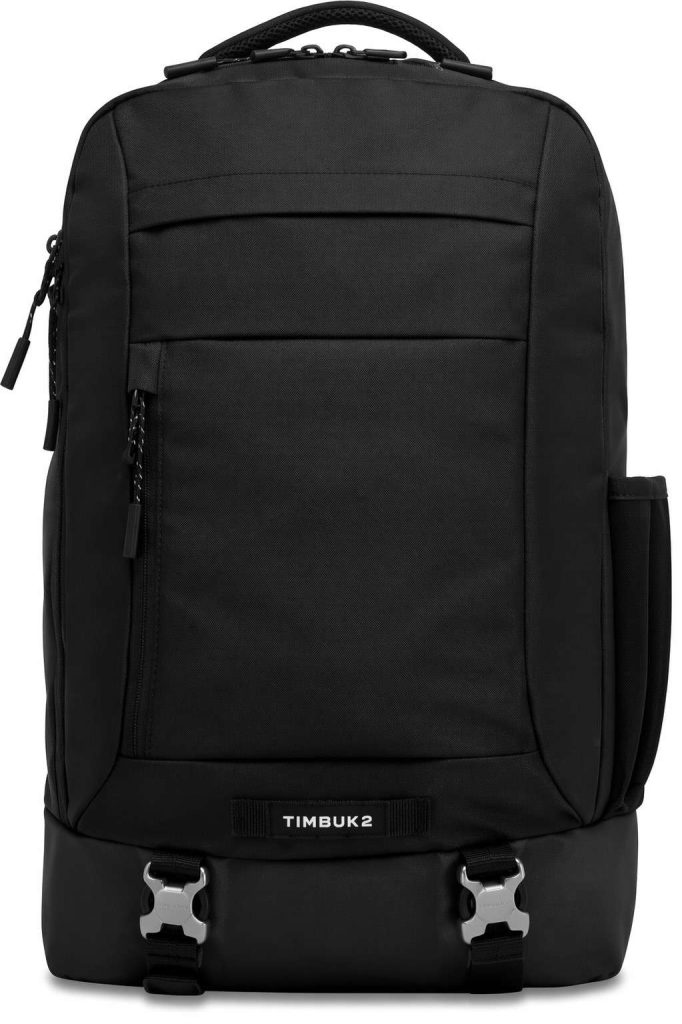
The Timbuk2 Authority Deluxe is designed to maximize the under-seat space airlines give you for personal items. It includes a padded laptop sleeve, organized front pockets for documents and accessories, and a water bottle pocket on the side.
The bag fits comfortably under the seat on most major airlines, and the padded shoulder strap makes it comfortable to carry through a busy terminal. It also pairs well with a rolling carry-on for a complete travel system.
Price: Approximately $185 | Warranty: Limited lifetime
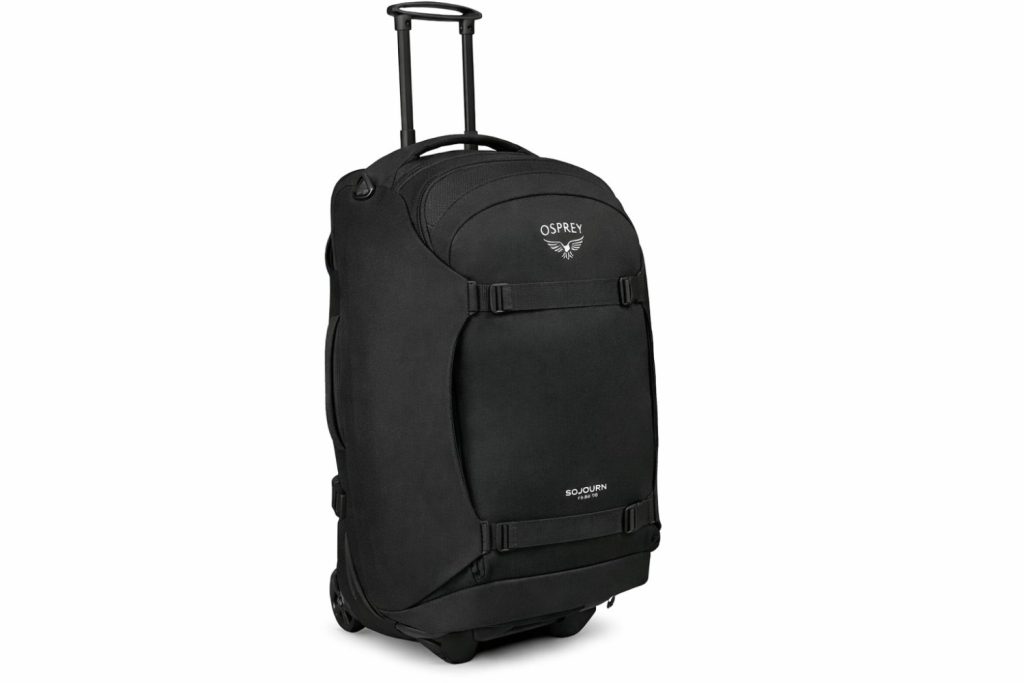
Best Adventure Travel Bag: Osprey Sojourn Shuttle 100L
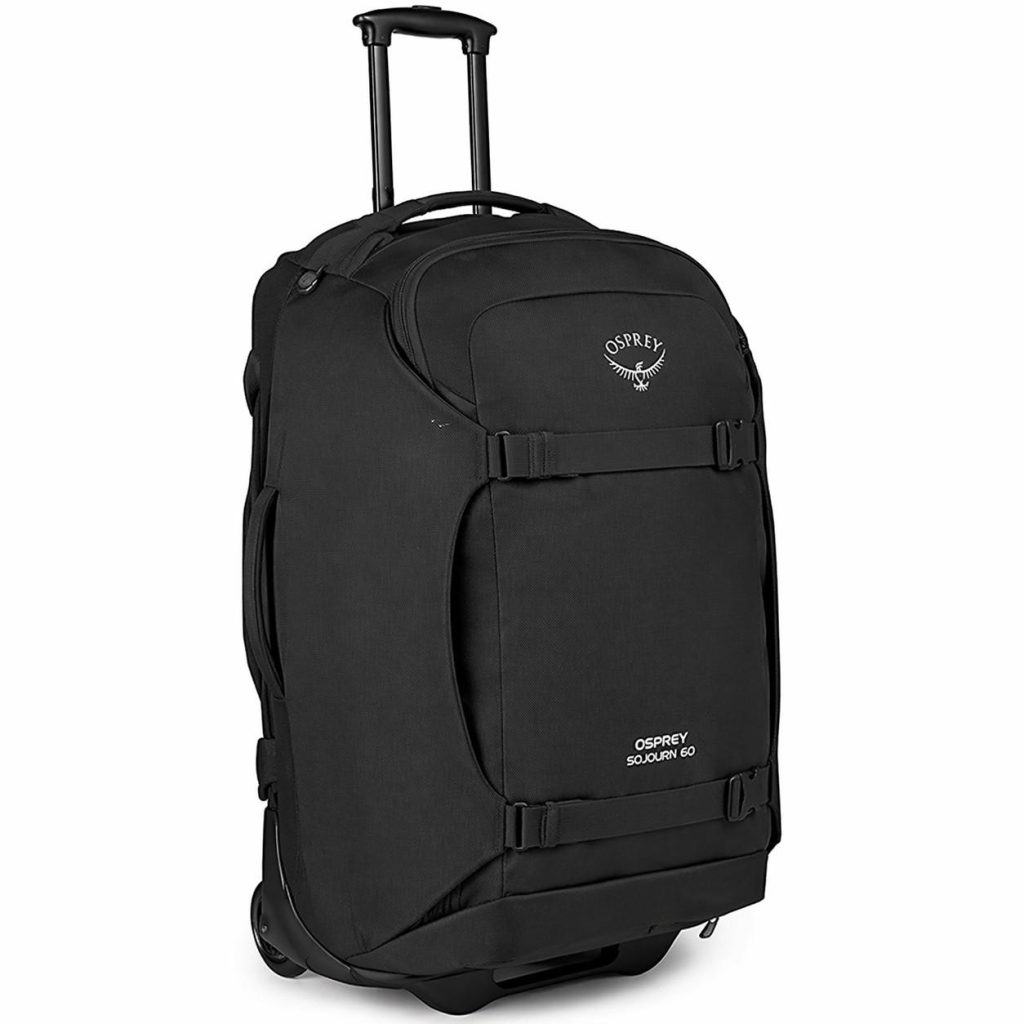
For travelers heading off the beaten path, the Osprey Sojourn Shuttle offers a unique combination of wheeled luggage and travel backpack. The harness system tucks away behind a zippered panel, so you can wheel the bag through the airport and then strap it to your back when you hit an unpaved road or a hostel staircase.
The 100-liter capacity accommodates extended travel or gear-heavy trips. Osprey’s all-mighty guarantee covers the bag for the life of its owner, which reflects the brand’s commitment to quality.
Price: Approximately $430 | Warranty: All-Mighty Guarantee (lifetime)
Travel Bag Features Explained
When shopping for a travel bag, you will encounter a lot of technical terms. Here is a clear explanation of the most important features and what they actually mean for you as a traveler.
• Spinner Wheels: Four-wheel systems that roll in any direction. Easier to maneuver in airports but slightly heavier than two-wheel designs. Self-aligning spinners, like Travelpro’s MagnaTrac system, stay pointed forward automatically.
• TSA Locks: Built-in combination locks that TSA officers can open without damaging the bag. Required for international travel to many countries that do mandatory checked-bag inspections.
• Expandable Zippers: A secondary zipper that adds one to four inches of depth to the bag. Useful for bringing home souvenirs or shopping, but expansion may push the bag over airline size limits.
• Ballistic Nylon: A dense, heavy-duty woven fabric that resists abrasion, tearing, and punctures far better than standard nylon. Used in premium soft-shell luggage and high-end travel backpacks.
• Polycarbonate Shell: The most common hard-shell material. It is lightweight, durable, and flexible enough to resist cracking on impact. Often blended with ABS plastic to reduce cost while maintaining strength.
• Clamshell Opening: A design that allows the bag to open fully flat, like a book or suitcase. Makes packing and accessing items much easier than top-loading designs.
• Compression Straps: Internal straps that press clothes together to reduce wasted space and prevent items from shifting during transit.
• YKK Zippers: The industry-standard zipper brand. YKK zippers are significantly more reliable and durable than generic alternatives. A bag with YKK zippers throughout is a sign of quality construction.
• Packing Cubes Compatibility: Many bags are designed to work with packing cubes, which are fabric organizers that compress and sort clothing by category. If you use packing cubes, look for a bag with a flat-opening design.
• RFID Protection: A lined pocket or compartment that blocks radio-frequency signals, preventing digital pickpocketing of your passport or credit cards in crowded areas.
Expert Packing Tips for Getting the Most Out of Your Travel Bag
Pack heavier items closest to your back. When using a travel backpack, place heavier gear like laptops, books, and shoes near the back panel. This keeps the weight centered and prevents the bag from pulling you backward.
Use packing cubes. Packing cubes compress clothing and keep categories separated so you can find what you need quickly. They also make repacking at hotels significantly faster.
Weigh your bag before you leave home. Airlines charge overweight fees ranging from $75 to $200 per flight. A luggage scale costs under $15 and can save you hundreds of dollars over time.
Roll, do not fold. Rolling clothes instead of folding them reduces wrinkles and often allows you to fit more items in the same space.
Place liquids in an accessible spot. TSA requires that liquids in carry-on bags be in a clear, quart-sized bag. Pack this at the top of your bag or in an exterior pocket so you can remove it quickly at security.
Check airline size restrictions before you travel. Carry-on size limits vary by airline and by seat class. Budget carriers like Spirit, Frontier, and Ryanair apply the strictest rules and charge fees for bags that do not comply.
Airline Carry-On Size Limits: Quick Reference
| Airline | Carry-On Limit | Personal Item Limit | Weight Limit |
| American Airlines | 22 x 14 x 9 in | 18 x 14 x 8 in | No limit stated |
| Delta Air Lines | 22 x 14 x 9 in | 18 x 14 x 8 in | No limit stated |
| United Airlines | 22 x 14 x 9 in | 17 x 10 x 9 in | No limit stated |
| Southwest Airlines | 24 x 16 x 10 in | 18.5 x 8.5 x 13.5 in | No limit stated |
| Spirit Airlines | 22 x 18 x 10 in | 18 x 14 x 8 in | 40 lbs max |
| Ryanair (EU) | 21.6 x 15.7 x 7.9 in | 15.7 x 11.8 x 7.9 in | 22 lbs max |
| Emirates | 22 x 15 x 8 in | 18 x 14 x 8 in | 15 lbs max |
Note: Airline size and weight policies change regularly. Always verify the current rules directly on your airline’s website before you pack.
Frequently Asked Questions
Conclusion: Finding the Right Travel Bag for You
The best travel bag is the one that fits how you travel, not the most expensive or most popular option. Choose a rolling carry-on for frequent flying, a travel backpack for one-bag travel, or a duffel for adventure trips.
Think about your trip type, your airline, and your budget before you buy. The right bag makes every trip smoother and easier.