Dogs sleep 12–14 hours a day, while puppies and senior pets may sleep up to 20 hours.
That is why a good pet cushion is important, as it supports joints, improves comfort, reduces anxiety, and gives your pet a cozy place to rest.
This guide explains the main types, materials, sizes, benefits, and key factors to help you choose the best pet cushion for your dog or cat.
8 Types of Pet Cushions — And Who Each One Is Best For
Not all pet cushions are equal, and not every dog bed suits every dog. Here is a clear breakdown of the eight most popular styles on the market today.
1. Flat Mat / Crate Pad
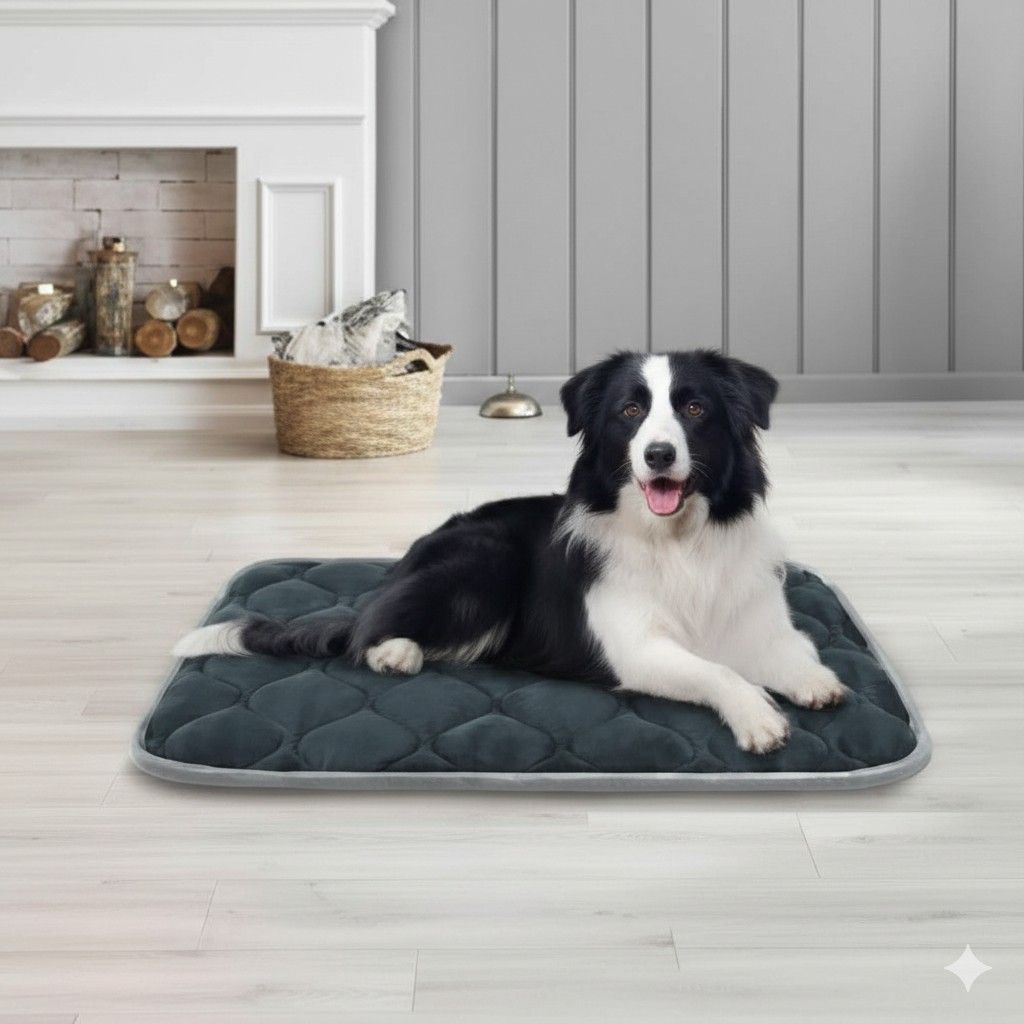
The simplest design: a flat, rectangular cushion that sits low to the ground. Flat mats are ideal for crate training, travel, or dogs that prefer to stretch out completely. They come in polyester fill or memory foam versions. Memory foam crate pads are especially good for young puppies and senior dogs who need joint support without high bolster walls.
- Best for: Crate users, sprawlers, travel-ready pups
- Typical fill: Polyester fiber or memory foam
2. Bolster / Sofa Bed

Bolster beds feature raised edges on two or three sides, creating a natural headrest and a sense of enclosure. They closely mimic a miniature sofa — a style some companies now replicate accurately enough to sit beside real living room furniture. Dogs that love to rest their chin on the edge of the couch are prime candidates for a bolster bed.
- Best for: Chin-resters, medium to large breeds, dogs who love furniture
- Typical fill: Foam base + polyester-fiber bolster walls
3. Donut / Cuddler Bed

Circular or oval with a deep, raised rim all the way around, donut beds wrap your dog in a 360-degree bolster. The design is specifically effective for anxious dogs because the enclosed shape mimics the feeling of sleeping beside a littermate. Faux-fur and plush fabrics are common and add extra warmth for small or short-haired breeds.
- Best for: Anxious dogs, small breeds, natural cuddlers
- Typical fill: Deep plush or faux-fur with polyester fill
4. Orthopedic Memory Foam Bed

Orthopedic beds are built around high-density foam — typically 3 to 5 inches thick — that resists compression over time. Unlike standard polyester fill that goes flat within months, quality memory foam conforms to your pet’s body, distributes weight evenly, and reduces pressure on hips, elbows, and shoulders. Many veterinarians recommend orthopedic cushions for senior dogs, post-surgery recovery, and any breed prone to joint problems.
- Best for: Senior dogs (8+ years), large breeds, dogs with arthritis or hip dysplasia
- Typical fill: High-density or memory foam base, often with a softer top layer
5. Elevated / Cot-Style Bed

Elevated beds raise your pet 4 to 8 inches off the ground on a mesh or fabric sling stretched across a rigid frame. The airflow under the bed keeps dogs cool — an important feature in warm climates or for thick-coated breeds in summer. Many elevated designs collapse for travel and can be used on patios, campsites, or in cars.
- Best for: Hot climates, outdoor use, double-coated and large breeds
- Typical fill: Breathable mesh or canvas — no traditional cushion fill
6. Cave / Hooded Bed

Cave beds feature a hooded canopy or tunnel opening, letting your dog burrow completely inside. This style is especially popular with small terriers, dachshunds, and any dog that loves digging into blankets before settling down. The enclosed environment reduces ambient light and noise, making cave beds excellent for dogs with anxiety disorders.
- Best for: Burrowers, anxious dogs, cold-sensitive small breeds
- Typical fill: Sherpa lining, microsuede, or plush interior
7. Travel / Portable Cushion

Designed for life on the move, travel cushions are lightweight, roll-up or fold flat, and usually include a carry bag or handle. Water-resistant materials and machine-washable covers are standard. Some double as car seat covers, protecting upholstery while giving your dog a familiar scent and surface during road trips.
- Best for: Active pet owners, frequent travelers, car commuters
- Typical fill: Lightweight foam or fiber
8. Calming / Anti-Anxiety Cushion
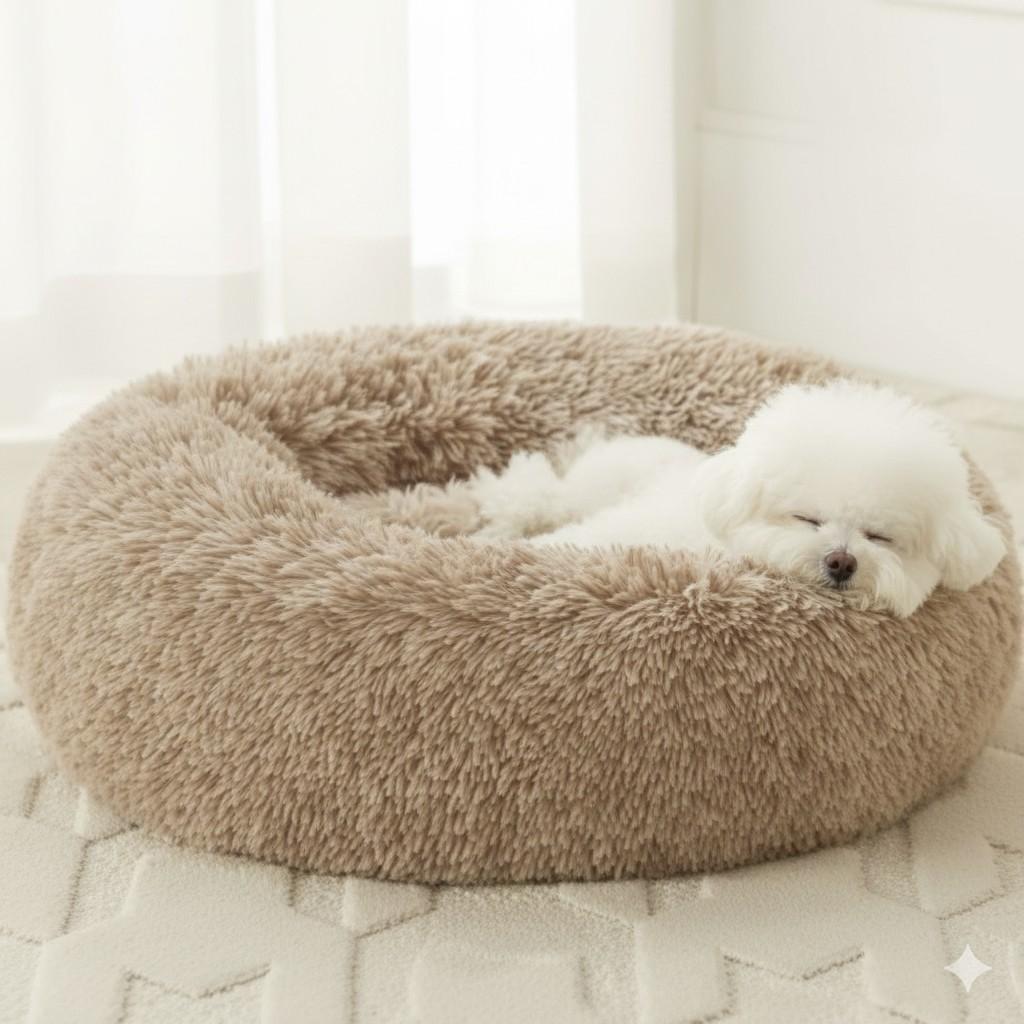
Calming cushions use the same design principle as donut beds but take it further. Extra-deep plush walls, luxuriously soft fabrics, and sometimes self-warming materials all work together to lower cortisol levels and reduce stress in anxious pets. Many pet owners report measurable improvements in sleep quality and destructive behavior after switching to a calming cushion.
- Best for: Rescue dogs, dogs with separation anxiety, highly reactive breeds
- Typical fill: Ultra-soft plush, faux-fur, self-warming layers
Pet Cushion Comparison Table — All Types at a Glance
| Pet Cushion Type | Best For | Filling | Price Range | Washable |
| Flat Mat / Pad | All dogs, crate use | Memory foam / polyester | $15–$50 | ✓ Yes |
| Bolster / Sofa Bed | Chin-resters, nestlers | Foam + fiber bolsters | $40–$120 | ✓ Yes |
| Donut / Cuddler | Anxious dogs, small breeds | Plush faux-fur fill | $30–$100 | ✓ Yes |
| Orthopedic Bed | Senior dogs, large breeds | High-density memory foam | $60–$200+ | ✓ Yes |
| Elevated / Cot | Hot climates, outdoors | Breathable mesh | $40–$130 | ✓ Yes |
| Cave / Hooded | Burrowers, anxious pets | Sherpa / microsuede | $45–$120 | ✓ Yes |
| Travel Cushion | Adventure dogs, car trips | Lightweight foam | $25–$80 | ✓ Yes |
| Calming Cushion | High-anxiety dogs | Extra-deep plush fill | $35–$110 | ✓ Yes |
How to Choose the Right Pet Cushion — 7 Key Factors

Choosing the wrong pet cushion is easy. Choosing the right one takes about five minutes if you know what to look for. Work through these seven factors and you will land on the perfect option for your pet.
Factor 1: Your Pet’s Size and Sleeping Position
Measure your pet from nose to the base of their tail while they are lying in their typical sleeping position. Add 8 to 12 inches to that measurement, and you have your minimum bed length. When in doubt, always size up. A bed that is too large is rarely a problem; a bed that is too small causes discomfort and poor sleep posture.
Sleeping position is equally important. Sprawlers need long, flat surfaces. Curlers do well in round or oval beds with bolsters. Burrowers belong in cave beds. Chin-resters need a firm bolster edge to rest against.
Factor 2: Your Pet’s Age and Health Condition
A 2-year-old Labrador and a 12-year-old Labrador have completely different needs. Young, healthy adults can sleep comfortably on most styles. Puppies benefit from soft, enclosed beds with low entry points. Senior dogs need the joint support of orthopedic foam — a 3-inch memory foam base is the minimum worth buying. Dogs recovering from surgery or living with conditions like arthritis, hip dysplasia, or degenerative joint disease should be prioritized for orthopedic options, ideally with a veterinarian’s input.
Factor 3: Fill Material and Foam Density
Fill material determines how long a cushion holds its shape and how much support it provides.
- Polyester fiber fill: Soft and affordable, but compresses over time. Best for low-traffic beds or pets under 30 lbs.
- Shredded memory foam: Better than poly-fill; contours to the body and lasts longer, though uneven pieces can shift.
- Solid memory foam: The gold standard for support. Evenly distributes weight, resists flattening, and is vet-recommended for senior and large-breed dogs. Look for 3–5 lb density foam.
- Gel-infused foam: Memory foam with added cooling gel beads — great for dogs that overheat.
- Orthopedic multi-layer foam: The best option for heavy or mobility-challenged dogs. A firm 4-inch base with a softer 1-inch comfort layer is the ideal pairing.
Factor 4: Cover Material and Washability
Pet beds get dirty. A cover that cannot be removed and washed is a health risk. Without regular cleaning, beds accumulate bacteria, dander, fleas, and odors that worsen over time. Here is what to look for:
- Removable cover: Non-negotiable. Zippers or velcro closures should be secure and easy to use.
- Machine washable: Look for covers that can handle at least a 30°C / 86°F wash cycle without shrinking or losing shape.
- Waterproof inner liner: Critical for senior dogs, puppies in training, or any pet with incontinence issues. Protects the foam from liquid damage.
- Fabric durability: Microsuede, canvas, and upholstery-grade fabrics resist claws, chewing, and everyday wear far better than basic polyester fleece.
Factor 5: Your Home Environment
Consider where the bed will live before you buy. A mudroom bed needs waterproof materials and easy cleaning. A bedroom bed can prioritize softness and style. An outdoor patio bed needs UV-resistant, weather-proof fabric. A crate liner needs to fit specific interior dimensions. Measure your space before ordering — a bed that does not fit the room will either crowd the area or sit unused in a corner.
Factor 6: Ease of Entry
Senior dogs, small breeds, and dogs recovering from injury often struggle with high bolster walls or elevated beds. A low-profile design with a dipped front opening makes it dramatically easier for these pets to step in and out without straining their joints or asking for help. If your dog is 8 years or older or has visible difficulty lying down and rising, entry height should be a top priority.
Factor 7: Durability vs. Budget
A $20 poly-fill cushion might last 6 months with a determined chewer. A $150 orthopedic memory foam bed with an upholstery-grade cover could last 3 to 5 years. Think about the total cost over time, not just the sticker price. For destructive chewers, look for “chew-resistant” labels — some brands offer warranties against damage. For budget-conscious buyers, a mid-range memory foam option in the $60–$90 range typically hits the best value-to-longevity ratio.
Pet Cushion Size Guide — Find the Right Fit Fast

Use this chart as your starting point. Always measure your pet and round up to the next size when between options.
| Dog Size | Weight Range | Recommended Bed Size | Tip |
| Extra Small | Up to 10 lbs | 18″ x 24″ or smaller | Donut or cuddler beds ideal |
| Small | 10–25 lbs | 24″ x 30″ | Bolster beds give great support |
| Medium | 25–50 lbs | 30″ x 40″ | Memory foam flat mats work well |
| Large | 50–90 lbs | 36″ x 48″ | Orthopedic beds essential |
| Extra Large | 90 lbs+ | 48″+ in length | Big barker style; size up always |
The Health Benefits of a Quality Pet Cushion
A pet cushion is not a luxury purchase — it is an investment in your animal’s long-term health. Here is what the science and veterinary community say about the benefits.
Joint Health and Arthritis Relief
Orthopedic memory foam evenly distributes a dog’s weight, reducing pressure points on hips, shoulders, and elbows. For dogs with arthritis — a condition that affects roughly 80% of dogs over 8 years old — sleeping on a firm, supportive surface can reduce morning stiffness and improve mobility throughout the day. Some orthopedic beds have been clinically tested and proven to promote measurable improvements in joint health for large breeds.
Improved Sleep Quality
Just like humans, dogs sleep more deeply and restoratively on supportive surfaces. Interrupted or poor-quality sleep — caused by hard floors or lumpy, flat beds — can affect mood, energy levels, and even immune function over time. A proper cushion minimizes mid-sleep position shifts caused by discomfort, allowing pets to complete their full REM sleep cycles.
Reduced Anxiety and Stress
Enclosed or high-walled cushions — donut beds and cave beds in particular — trigger a physiological calming response in dogs with anxiety. The enclosed space mimics the feeling of being held or sleeping beside a companion, which reduces cortisol levels. Pet owners frequently report improvements in separation anxiety, nighttime barking, and destructive daytime behavior after transitioning anxious dogs to calming-style cushions.
Temperature Regulation
Dogs regulate their body temperature differently than humans. Breeds with thick coats, and dogs living in warm climates, benefit from elevated or cooling gel-foam beds that allow air circulation.
Conversely, hairless breeds, senior dogs, and small dogs lose heat rapidly and do best on self-warming or heavily padded cushions that retain body heat. Matching the bed material to your climate and your dog’s coat type is a genuinely health-relevant decision.
Territorial Security and Behavioral Benefits
A dog’s bed is their territory — a personal, safe space that reduces resource competition between multiple pets and gives anxious dogs a reliable retreat.
Dogs with a designated sleeping area show lower stress markers in multi-pet households. A consistent bed placement also supports house-training efforts with puppies by reinforcing the concept of a personal space.
Expert Tips to Make the Most of Your Pet Cushion

Placement Matters More Than You Think
Position the bed away from drafts, radiators, and high-traffic areas. Your pet should be able to see the room from their bed — dogs instinctively prefer a spot with good visibility. Avoid placing beds in dark corners where your pet cannot monitor their environment; this increases rather than reduces anxiety.
Wash the Cover Every 1–2 Weeks
Bacteria, skin cells, and allergens accumulate fast on pet bedding. Washing the removable cover weekly to bi-weekly is not excessive — it is the minimum for a clean sleeping environment. Use an unscented, pet-safe detergent. Avoid fabric softeners, which can irritate sensitive skin and leave residues that attract dust mites.
Introduce the Bed Gradually
Some pets, especially rescue dogs or those with previous negative experiences, will not use a new bed immediately. Place a worn piece of your clothing on the bed to transfer your scent. Put the bed next to where your pet already sleeps. Use treats and calm encouragement near the bed without forcing use. Most pets naturally begin using a new cushion within 3 to 7 days when introduced this way.
Replace Beds on a Schedule
Even the best pet cushion has a lifespan. Poly-fill beds typically need replacing every 12 to 18 months. Memory foam beds can last 3 to 5 years with proper care. A simple test: press your palm into the foam.
If it does not spring back within 2 seconds, the foam has lost its supportive density and needs to be replaced. A flat bed is worse than no bed — it gives the illusion of support without providing any.
For Multi-Pet Homes, Buy One Per Pet
Resource guarding between pets is a common and often overlooked source of household conflict. Dogs frequently guard beds, even when they are not using them, causing stress for the guarded pet.
One bed per pet, placed in separate areas of the home, reduces competition and gives each animal its own secure retreat.
Frequently Asked Questions About Pet Cushions
Final Thoughts — Your Pet’s Sleep Is Worth Getting Right
Your pet cannot tell you when they are uncomfortable. They cannot explain that their joints ache, that the floor is too cold, or that they feel unsafe sleeping in an open space. But they show you — through restless nights, reluctance to lie down, morning stiffness, and anxiety-driven behaviors. The right pet cushion addresses all of these issues at once.
The best pet cushion for your animal is not necessarily the most expensive one. It is the one that matches their size, sleep style, age, and health needs — bought from a trusted source with high-quality materials and a washable cover.
Use this guide as your roadmap, take five minutes to measure your pet and consider their habits, and you will make a choice your pet will thank you for every single day.