A cluttered kitchen drawer full of mismatched reusable bags is one of the most common sources of daily frustration for home cooks.
You reach for a snack-size silicone bag, and three others come tumbling out. You need a quart-size bag for leftovers, but you cannot find one anywhere. Sound familiar?
Learning how to organize your kitchen with reusable storage bags solves this problem permanently. It saves you time during meal prep, extends the life of your bags, and supports an eco-friendly kitchen routine.
This guide walks you through every step — from the initial sort to long-term maintenance — so your kitchen stays clean, functional, and sustainable.
Why Organizing Reusable Storage Bags Matters
Reusable storage bags — including silicone bags, reusable ziplock-style bags, beeswax wraps, and cloth produce bags — are better for the environment and your wallet compared to single-use plastic.
However, their benefits are quickly undermined if they are crammed into a disorganized drawer where they get scratched, bent, or simply forgotten.
Proper organization delivers four measurable benefits:
- Extended bag lifespan: Bags stored without piling or pinching resist wear, cracking, and seal damage far longer.
- Time savings: A well-labeled, sorted system means you find the right size in seconds rather than emptying an entire drawer.
- Maximized storage space: Neat stacking and folding can cut the footprint of your bag collection by up to half.
- Reduced waste: When bags are visible and accessible, you use them more consistently, replacing fewer and buying less.
Types of Reusable Storage Bags and How to Sort Them
Before setting up any storage system, you need to understand what you are working with. Reusable storage bags fall into several categories, each with slightly different storage needs.
- Silicone food storage bags: Rigid enough to stand upright, easy to clean, ideal for both refrigerator and freezer. They come in snack, sandwich, quart, and gallon sizes.
- Reusable plastic zip bags: Softer and more flexible than silicone. Best stored flat or rolled to prevent creasing at the seals.
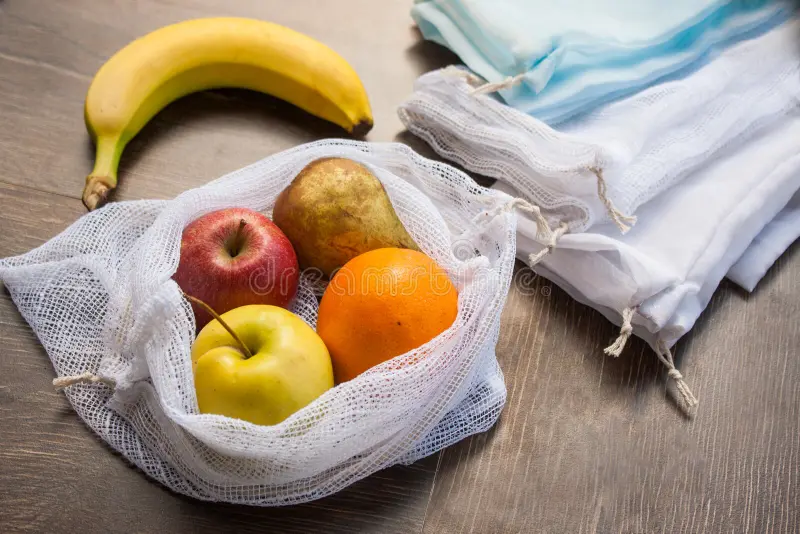
- Cloth and canvas produce bags: Breathable mesh bags used for fruits, vegetables, and bulk-bin items. Best stored folded or rolled in a basket.
- Insulated reusable bags: Larger bags for frozen or chilled groceries. Store these near the door for grab-and-go access.
- Beeswax wraps: Flat sheets that replace plastic wrap. Store rolled or folded in a narrow drawer section.
Sort all bags into these categories first. Then, within each category, sort by size — snack, sandwich, quart, gallon, or extra-large. This two-level sort is the foundation of any successful kitchen bag organization system.
Quick Comparison: Reusable Bag Storage Methods
| Storage Method | Best For | Space Required | Ease of Access |
| Drawer with dividers | Silicone bags, zip bags | Low | Excellent |
| Cabinet bins / baskets | All bag types, mixed sizes | Medium | Very Good |
| Over-door organizer | Any bag type, small kitchens | Minimal (door) | Very Good |
| Pantry shelf + file holder | Flat zip bags, canvas bags | Low to Medium | Good |
| Wall hooks or magnetic strip | Silicone bags, large canvas | Minimal (wall) | Good |
| Roll-and-stack method | Soft reusable plastic bags | Very Low | Moderate |
Step 1 — Declutter and Audit Your Bag Collection

Every successful organization project begins with a purge. Pull every reusable bag out of every drawer, cabinet, and pantry shelf and place them all in one spot on the counter or table.
Now evaluate each bag honestly. Look for the following signs that a bag should be removed:
- Cracked or compromised seals that no longer close airtight
- Persistent stains or odors that remain after thorough washing
- Thinning or punctured silicone walls
- Sizes or styles you never actually use
Discard damaged bags appropriately — silicone can often be recycled through specialty programs. Donate clean, usable bags you simply no longer need. A leaner collection is dramatically easier to organize and maintain than an oversized one.
Step 2 — Choose the Right Storage Location
Location is the single most important decision in your entire organization plan. The best location is one that places your bags within arm’s reach of where you actually use them — typically near the refrigerator, food prep counter, or pantry.
Consider three factors when picking a spot:
- Proximity to use: Bags used daily for meal prep belong close to the stove and cutting board. Bags used for grocery shopping can live near the door.
- Available space type: Do you have a shallow drawer, a deep cabinet, a pantry door, or a section of wall? Each suits different methods.
- Bag types in your collection: Silicone bags stand upright and suit drawers and cabinets well. Canvas bags fold flat and can live almost anywhere.
A dedicated zone — even a single drawer or bin — prevents bags from spreading across multiple areas of the kitchen, which is the primary cause of clutter.
Step 3 — Organize Bags Inside Drawers
A kitchen drawer is the most convenient and most commonly used home for reusable storage bags. There are three proven drawer organization methods depending on your bag type and drawer depth.
Standing Upright by Size
This method works best for silicone bags, which hold their shape. Stand each bag on its bottom and line them up in a row, sorted from smallest to largest.
This is sometimes called the “file folder” method — just as you would file papers, you file bags. Every size is visible at a glance, and grabbing one does not disturb the others.
Laying Flat and Stacking
For softer reusable plastic bags, flatten each bag completely, remove excess air, and stack them in piles separated by size.
Place a small divider, a binder clip row, or a rolled hand towel between stacks to prevent them from merging into one pile.
Using Drawer Dividers or Bins
Drawer inserts and small rectangular bins — bamboo, acrylic, or wire — create individual sections for each bag size. This method prevents what organizers call “tower falls,” where pulling one bag from the bottom of a stack collapses the entire pile.
It also keeps each size contained so the drawer never becomes a jumbled mix.
Step 4 — Use Cabinet Bins and Shelf Storage
If your drawer space is limited or already used for utensils and gadgets, cabinets and pantry shelves offer an excellent alternative.
The key is to avoid setting bags loose on a shelf where they will tip over, fall behind other items, or get buried.
Dedicated Bins for Each Type
Place a small bin or basket on a cabinet shelf for each category: one for silicone bags, one for soft zip bags, one for cloth produce bags.
Label each bin clearly on the front. Labeling is not just for aesthetics — it trains everyone in the household to return bags to the correct location, which sustains the system over time.
File Organizers as Bag Holders
A vertical file organizer — the kind typically used for mail or documents — makes an excellent holder for flat reusable bags sorted by size. Stand each bag in its own slot.
This works especially well in pantries where you need to identify sizes quickly without pulling everything out.
Deep Drawers and Cabinet Pull-Outs
Deep cabinet drawers or pull-out shelves can store bags standing upright along the sides with bins filling the center.
Bins inside deep spaces are particularly valuable because they allow you to pull the entire container forward rather than reaching blindly to the back.
Step 5 — Make the Most of Door Space
The interior of cabinet doors and pantry doors is one of the most underutilized spaces in most kitchens. An over-door organizer or a set of adhesive hooks installed on the inside of a cabinet door can hold a surprising number of bags without claiming any shelf or drawer space.
Over-Door Organizers with Pockets
Multi-pocket fabric or plastic over-door organizers allow you to dedicate one pocket per bag size or type. Because the bags are vertical and visible, you can scan your entire collection in one glance.
This method is especially useful in rental kitchens where you cannot drill into walls or install permanent fixtures.
Adhesive Hooks and Clips
Attach a magnetic strip or a row of adhesive hooks inside a cabinet door and use small S-hooks or binder clips to hang silicone bags by their zip handles.
This keeps bags aired out between uses and prevents them from sitting on surfaces where moisture can build up.
Tension Rods
Two horizontal tension rods installed inside a deep cabinet create a hanging rail that silicone bags can drape over by their sides. This method is nearly free if you already own spare tension rods and works well for a collection that is too large for a single drawer.
Step 6 — Label, Sort, and Apply the FIFO Method
A storage system is only as strong as the habits that support it. Three habits keep a kitchen bag organization system working indefinitely.
Label Everything
Label each bin, drawer section, or shelf zone with the bag type and size it contains: “Silicone – Snack,””Silicone – Quart,””Cloth Produce,” and so on. Use a label maker, printed sticker labels, or even a strip of masking tape with a permanent marker. Clear labeling removes any ambiguity about where each bag belongs after washing.
Sort by Size Consistently
Always return washed bags to their designated size slot. Never mix sizes in one bin. This single rule prevents the most common cause of drawer clutter: bags sorted perfectly on day one but mixed together over the following weeks.
Use the FIFO Method
FIFO stands for First In, First Out — a principle borrowed from professional kitchens and food storage management. When you clean a bag and return it to storage, place it at the back of its section. Pull bags for use from the front.
This ensures every bag in the rotation gets used regularly rather than leaving the same two bags at the front while older ones deteriorate unused at the back.
Maintenance Tips to Keep Bags Organized Long-Term
Setting up the system is the hardest part. Maintaining it requires only a few consistent habits.
- Monthly audit: Once a month, spend five minutes checking each storage zone. Remove damaged bags, consolidate any sections that have drifted out of order, and restock sizes you are running low on.
- Wash and return same day: Make it a habit to wash reusable bags immediately after emptying them and return them to their designated storage spot before they pile up on the counter.
- Inspect seals regularly: Check the zip seals and walls of silicone and soft reusable bags during your monthly audit. A bag with a compromised seal cannot store food safely.
- Adjust as your collection changes: If you switch brands or reduce your collection, reconfigure the storage zones to reflect your actual inventory.
Creative Storage Hacks for Small Kitchens
If your kitchen has minimal drawer and cabinet space, these alternative methods allow you to organize reusable bags without requiring a single extra square foot of shelf space.
The “Bag of Bags” Method
Store all your smaller reusable bags inside one larger reusable tote or canvas bag. Hang the tote on a pantry door hook or the back of a broom closet door. This requires no bins or organizers and works in the smallest kitchens.
Magnetic Strip on the Cabinet Wall
Mount an adhesive magnetic strip on the inside wall of a lower cabinet. Use small metal binder clips to hang silicone bags vertically from the strip. The bags air-dry naturally in the cabinet between uses, which prevents moisture-related odor and mold.
Repurposed Tissue Box
An empty cardboard tissue box makes a no-cost dispenser for flat reusable bags. Fold each bag neatly, stack them inside the box, and pull one at a time through the opening just as you would a tissue. Secure the box to the inside of a cabinet door using adhesive strips or Command hooks.
The Roll Method for Soft Bags
Flatten each soft reusable bag, squeeze out the air, and roll it tightly from the bottom up. Stand the rolls upright in a mug, mason jar, or cup stored on a pantry shelf. This takes up almost no horizontal space and makes each bag immediately visible and retrievable.
Wall-Mounted Rack Near the Pantry
A narrow wall-mounted rack with hooks or rails — installed inside a pantry or on the wall beside the refrigerator — can hold a dozen or more bags without touching any shelf or drawer space. Assign one hook per bag size, and the entire system functions like a visual inventory board.
Frequently Asked Questions
Conclusion
Organizing your kitchen with reusable storage bags is a straightforward project with a lasting payoff. Start by decluttering and sorting your collection by type and size. Choose a dedicated storage location — drawer, cabinet bin, pantry shelf, or door organizer — that suits your kitchen layout. Apply consistent labeling, use the FIFO rotation method, and perform a quick monthly audit to keep the system working.
The result is a kitchen where every bag is visible, accessible, and ready to use — which means you reach for them consistently, extend their lifespan, and reduce the plastic waste that reusable bags were designed to eliminate in the first place. A small investment of organization pays off every single day.