A dog house is more than just a shelter. It gives your dog a safe, comfortable space to rest, stay protected from weather, and feel secure.
This guide will help you choose the right dog house by covering size, materials, key features, and simple care tips before you buy.
What Is a Dog House?
A dog house is a freestanding shelter designed specifically for dogs, typically placed outdoors. It is also referred to as a dog kennel, pet shelter, dog cabin, or canine retreat, depending on its size and design.
Dog houses protect dogs from rain, wind, direct sun, cold temperatures, and other environmental stressors.Modern dog houses range from simple single-wall plastic shells to fully insulated wooden structures with elevated floors, ventilation systems, and weather-sealed doors.
They are available in sizes suited to every breed, from small terriers to large working dogs like German Shepherds and Saint Bernards.
Why Your Dog Needs a Dog House
Even if your dog sleeps indoors at night, a quality outdoor shelter provides important benefits during daytime yard time:
- Weather protection: Shields against rain, wind, intense sun, and cold air that can cause discomfort or health problems.
- Den instinct: Dogs are instinctively drawn to enclosed spaces. A dog house satisfies this natural need and reduces anxiety.
- Temperature stability: An insulated structure maintains a safer interior temperature in both summer and winter.
- Pest reduction: Elevated floors and enclosed designs reduce contact with fleas, ticks, and ground moisture.
- Health protection: Consistent access to shelter significantly lowers the risk of heatstroke and hypothermia.
Types of Dog Houses
Choosing the right type is the foundation of your decision. Each design serves a specific purpose and climate condition.
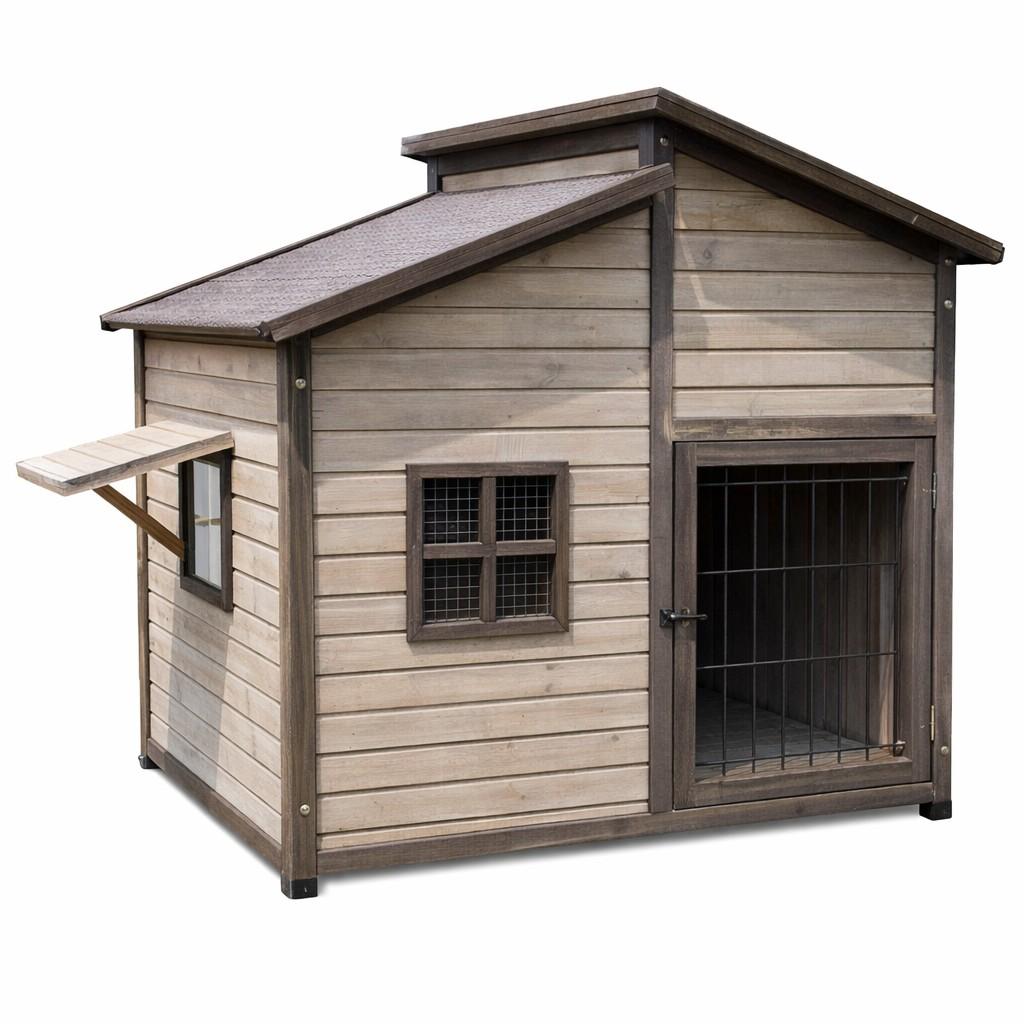
1. Wooden Dog Houses
Wood is the most widely used material for outdoor dog houses, particularly cedar and pine. Both species offer natural insulation, resist rot when sealed properly, and have a classic look that complements most outdoor spaces. Wooden dog houses can be painted, stained, or customized to suit your preferences.
Best for: Cold or mixed climates, owners seeking long-term durability, and dogs that spend extended periods outdoors.
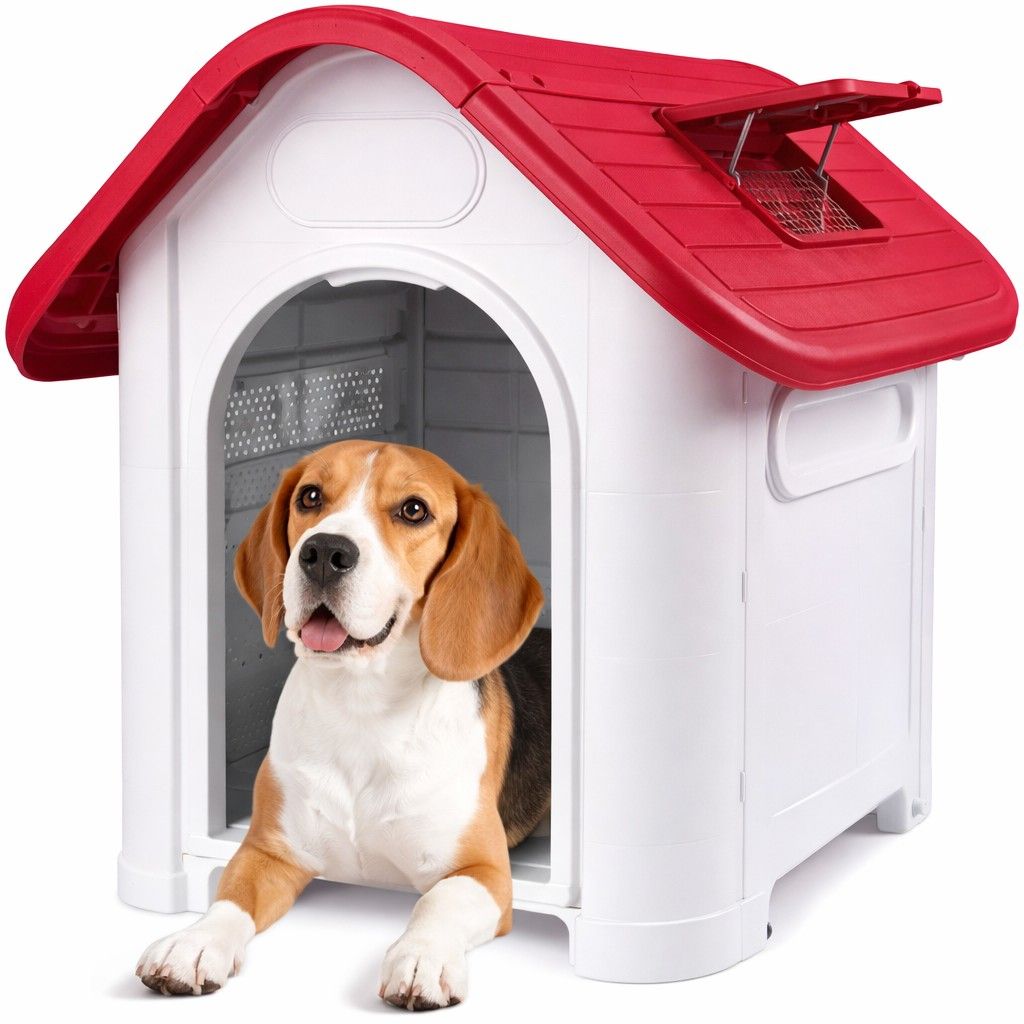
2. Plastic Dog Houses
Plastic dog houses are lightweight, easy to clean, and naturally resistant to moisture and insects. The main limitation is thermal insulation, which can cause the interior to overheat in summer or become cold in winter. Look for UV-stabilized plastic to prevent cracking and fading.
Best for: Humid or rainy climates, pet owners who prioritize easy maintenance, and dogs with moderate outdoor time.
3. Insulated Dog Houses
These structures feature double-walled construction with foam panels fitted into the walls, floor, and roof. This design creates a stable internal temperature regardless of the season, making insulated dog houses the top choice for dogs in regions with harsh winters or hot summers.
Best for: Extreme climates, older dogs or puppies, short-haired breeds, and dogs with health conditions sensitive to temperature changes.
4. Elevated Dog Houses
Raised on legs or a platform, elevated dog houses keep your dog off cold or wet ground. The airspace beneath the structure improves ventilation and prevents moisture from soaking the floor. Many models include a ramp or step for easy access.
Best for: Wet or warm climates, areas with heavy rainfall, and older dogs that benefit from improved airflow and reduced ground contact.
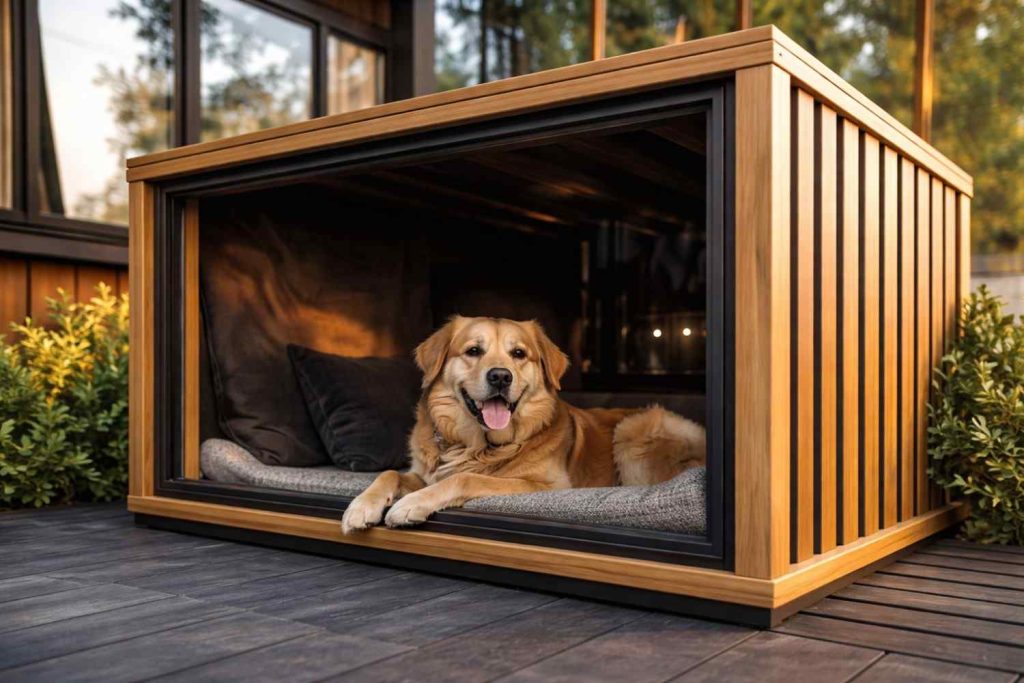
5. Indoor Dog Houses
Designed for use inside the home, indoor dog houses create a defined personal space for your dog within your living area. They support crate training, reduce separation anxiety, and give dogs a safe retreat they associate with security.
Best for: Puppies in training, anxious dogs, and households that want a dedicated indoor space for their pet.
How to Choose the Right Dog House Size
Sizing is the most important decision you will make. A dog house that is too small causes physical discomfort. One that is too large loses body heat in cold months and offers less sense of security.
How to Measure Your Dog
• Standing Height: Floor to the top of the head. The interior ceiling should be 25 to 50 percent taller than this measurement.
• Shoulder Height: Floor to the shoulder. The door opening should be at least equal to this measurement for easy entry and exit.
• Body Length: Nose to the base of the tail. The interior floor length should match or be up to 25 percent longer than this figure.
Also read here: dog grooming
Dog House Size Chart by Breed Weight
| Dog Size | Dog Weight | Floor Size (min) | Interior Height |
| Small | Up to 25 lbs | 2 ft x 2.5 ft | 2 ft |
| Medium | 26 to 60 lbs | 2.5 ft x 3 ft | 2.5 ft |
| Large | 61 to 100 lbs | 3 ft x 4 ft | 3 ft |
| X-Large | Over 100 lbs | 4 ft x 5 ft | 3.5 ft |
Note: Always verify using your dog’s actual body measurements. Weight alone may not account for breed-specific body structure.
Dog House Materials: Side-by-Side Comparison
The material you choose directly affects how well the structure insulates, how long it lasts, and how much upkeep it requires. Here is a practical summary of the three most common options.
Wood (Cedar or Pine)
• Pros: Outstanding natural insulation, visually attractive, highly customizable, handles all seasons well with proper sealing.
• Cons: Requires annual sealing or painting to prevent rot and warping; heavier than plastic alternatives.
Plastic (High-Density Polyethylene)
• Pros: Lightweight, moisture-resistant, pest-resistant, low maintenance, and typically the most affordable option.
• Cons: Limited insulation compared to wood; may warp in extreme heat; less visually appealing to most owners.
Metal
• Pros: Maximum durability, chew-resistant, extremely long lifespan, ideal for crate and containment applications.
• Cons: Poor thermal performance; becomes dangerously hot or cold without added insulation; not recommended as a primary outdoor shelter.
Key Features to Look For in a Dog House
Once you have narrowed down the type, size, and material, evaluate these specific features before making your final decision:
- Hinged or removable roof: Allows full access to the interior for cleaning without tools or crouching.
- Elevated floor: Keeps your dog off cold, damp ground and significantly reduces flea and tick exposure.
- Waterproof roof: Asphalt shingles or treated solid wood roofing prevents water infiltration during heavy rain and snow.
- Ventilation vents or windows: Allow airflow in warm months to prevent the interior from becoming dangerously hot.
- Offset or side-mounted door: Blocks direct wind drafts, keeping the interior warmer in cold weather without restricting access.
- Door flap or strip curtain: A rubber or vinyl curtain retains interior heat without preventing your dog from moving freely.
- Non-toxic finishes: Verify that all paints, stains, wood treatments, and adhesives used are certified pet-safe.
- UV-resistant exterior: Prevents surface cracking, color fading, and structural degradation caused by prolonged sun exposure.
Where and How to Place Your Dog House
The location of your dog house affects its usefulness in all seasons. Poor placement reduces the shelter’s value even when the structure itself is high quality.
- Face the entrance away from prevailing winds. In most regions, orienting the door toward the south or east reduces cold air drafts entering the shelter.
- Choose partial shade. Full sun exposure overheats the interior in summer. A position beneath a tree canopy or near a fence provides natural afternoon shade.
- Keep the base off wet ground. Use gravel, paving stones, or a treated wooden platform under the dog house to prevent moisture from building up beneath the structure.
- Position near your home. Dogs are social animals and feel more secure when their shelter is visible or close to the house.
- Secure against wind movement. In exposed or windy yards, use ground anchors or stakes to prevent the dog house from shifting during storms.
Dog House Maintenance: A Seasonal Checklist
Consistent maintenance keeps your dog’s shelter safe, hygienic, and structurally sound. Use this schedule as your ongoing guide:
- Weekly: Remove and wash bedding. Spot-clean the interior floor using a pet-safe disinfectant spray.
- Every two weeks: Full interior cleaning. Remove all debris, dirt, and signs of insect activity.
- Monthly: Inspect all structural components for cracks, splinters, loose boards, or warped panels. Check the door flap for wear.
- Seasonally: Replace bedding with fresh cedar shavings, straw, or a foam sleeping mat. Check all seals and seams.
- Annually: Reseal or repaint wooden surfaces. Inspect the roof for leak points and replace any damaged shingles or panels.
Frequently Asked Questions
Conclusion
Selecting the right dog house is one of the most practical decisions you can make for your dog’s outdoor comfort and long-term health. The best choice depends on your dog’s size and breed, the climate in your region, and how much time your dog spends outside.
Use the size chart above to measure before you buy. Choose a material that matches your local weather conditions. Prioritize features like an elevated floor, proper ventilation, and a waterproof roof. Place the shelter in a thoughtful position in your yard and maintain it on a consistent schedule.
A well-chosen dog house, correctly sized and properly maintained, will serve your dog safely for many years.